

Can damaged oil tempered steel wire still be used?
Can damaged oil tempered steel wire still be used? This is a question that often arises among our customers, and as a trusted supplier of Oil Tempered Steel Wire, I'm here to provide a comprehensive answer.
Oil tempered steel wire is a high - performance product known for its excellent strength, toughness, and fatigue resistance. It is widely used in various industries, such as automotive, aerospace, and construction, for applications like springs, cables, and fasteners. However, in the process of production, transportation, or use, the wire may get damaged.
Types of Damage and Their Impact
Surface Scratches
Surface scratches are one of the most common forms of damage to oil tempered steel wire. Minor scratches may not significantly affect the overall performance of the wire. The oil tempering process gives the wire a certain degree of hard - surface and good internal toughness. A shallow scratch on the surface might not penetrate deep enough to compromise the wire's structural integrity.
However, if the scratches are deep, they can act as stress concentrators. When the wire is under load, these areas are more likely to initiate cracks, which can propagate over time and lead to premature failure. For applications where the wire is subjected to high cyclic loads, such as in automotive suspension springs, even a relatively small deep scratch can be a serious concern.
Rust and Corrosion
Rust and corrosion can occur when the protective oil coating on the wire is damaged or when the wire is exposed to a corrosive environment for an extended period. A light layer of surface rust may not completely render the wire unusable. If the corrosion is limited to the surface and has not penetrated deeply into the wire, it can sometimes be removed through proper cleaning and anti - rust treatment.
But severe corrosion can significantly reduce the cross - sectional area of the wire, weakening its strength. Corroded areas are also more brittle, which increases the risk of breakage under stress. In applications where the wire's strength and reliability are critical, such as in aircraft cables, corroded wire should generally not be used.
Deformation
Deformation of the oil tempered steel wire can happen due to improper handling or excessive external force. Minor bends or twists may be corrected in some cases. For example, if the wire is used in a non - critical application where exact straightness is not required, a slightly bent wire might still be functional.
However, significant deformation, such as a kink or a large - scale bend, can cause internal stress imbalances in the wire. These internal stresses can lead to reduced fatigue life and may cause the wire to break during normal use. In high - precision applications, like in the manufacturing of watch springs, any form of significant deformation makes the wire unfit for use.
Evaluation and Reuse of Damaged Wire
When dealing with damaged oil tempered steel wire, a thorough evaluation is necessary. First, a visual inspection should be carried out to identify the type and extent of the damage. For surface scratches, measuring the depth of the scratch using appropriate measuring tools can help determine if the wire can still be used.
Non - destructive testing methods, such as ultrasonic testing or magnetic particle inspection, can be used to detect internal defects caused by damage. These techniques can reveal hidden cracks or stress concentrations that may not be visible to the naked eye.
If the damage is minor and the wire passes the necessary tests, it may be possible to reuse it in less critical applications. For example, a wire with a small surface scratch that is not suitable for a high - performance spring in an automotive engine could be used in a less demanding application, such as a simple household spring.
However, it's important to note that reusing damaged wire should always be done with caution. Any decision to reuse damaged wire should be based on a careful assessment of the risks and the specific requirements of the application.
Comparison with Other Types of Steel Wire
In the steel wire market, there are other types of steel wire available, such as Cold Drawn Steel Wire, Phosphate Coating Steel Wire, and Black Annealed Tie Steel Wire.
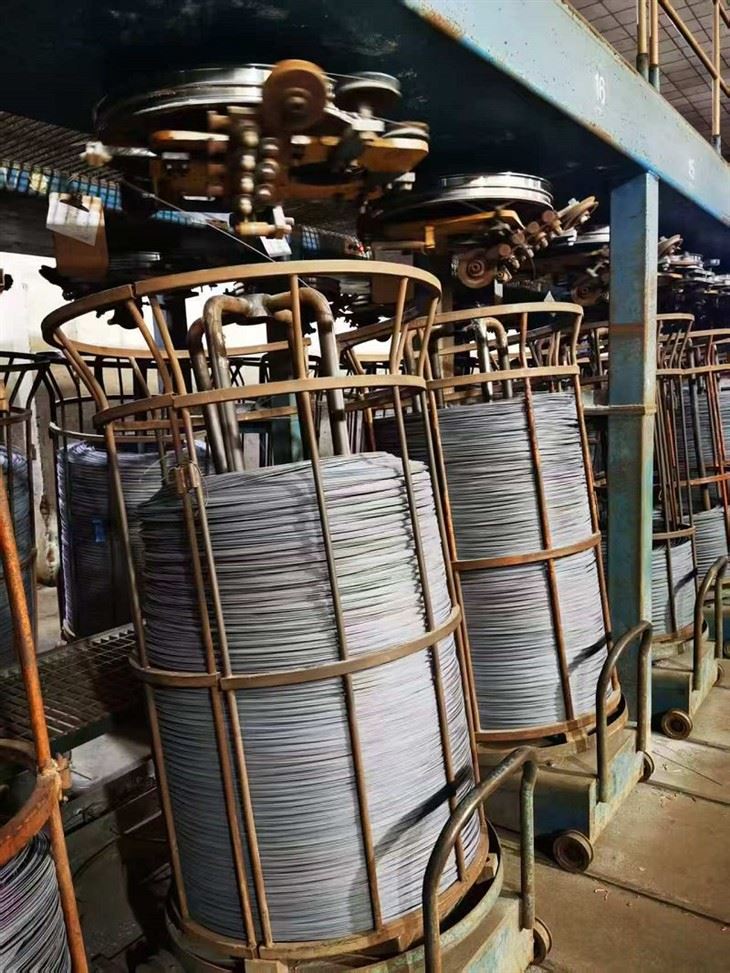
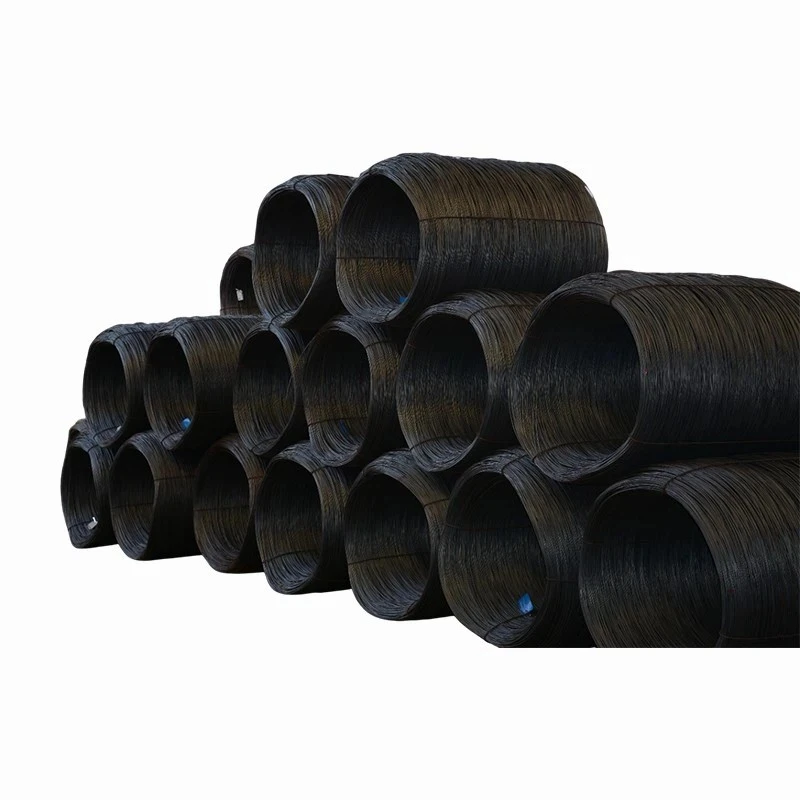
Cold drawn steel wire is produced through a cold - drawing process, which gives it high strength and a smooth surface finish. Compared to oil tempered steel wire, cold drawn steel wire may be more prone to surface damage during the drawing process. However, its relatively simple manufacturing process may make it more cost - effective for some applications.
Phosphate coating steel wire has a phosphate coating on its surface, which provides good corrosion resistance. This type of wire may be a better choice in corrosive environments compared to oil tempered steel wire, especially if the risk of corrosion is high.
Black annealed tie steel wire is softer and more ductile than oil tempered steel wire. It is mainly used for tying and binding purposes. If the application does not require high strength and fatigue resistance, black annealed tie steel wire can be a more suitable option.
Our Role as a Supplier
As a supplier of Oil Tempered Steel Wire, we understand the importance of providing high - quality products. We take strict quality control measures during the production process to minimize the risk of damage. Our wire is carefully inspected before shipment to ensure that it meets the required standards.
In case our customers receive damaged wire, we offer professional advice on whether the wire can still be used. We have a team of experts who can assist in evaluating the damage and providing solutions, such as repair or replacement.
We also provide comprehensive after - sales service to ensure that our customers are satisfied with our products. If you have any questions about the usability of damaged oil tempered steel wire or if you are interested in purchasing our products, please feel free to contact us for further discussion and procurement negotiation.
Conclusion
In conclusion, whether damaged oil tempered steel wire can still be used depends on the type and extent of the damage, as well as the specific requirements of the application. Minor damage may sometimes be acceptable in less critical applications after proper evaluation and treatment. However, for high - performance and critical applications, damaged wire should generally be replaced to ensure safety and reliability.
If you are in need of high - quality Oil Tempered Steel Wire or have any concerns regarding damaged wire, don't hesitate to reach out to us. We are committed to providing you with the best products and services.
References
- ASM Handbook Volume 1: Properties and Selection: Irons, Steels, and High - Performance Alloys
- ASTM Standards for Steel Wire Products
- Engineering Materials Science textbooks on metal fatigue and corrosion