

How to select the coating material for coated steel wire?
Selecting the right coating material for coated steel wire can be a real head - scratcher. As a coated steel wire supplier, I've seen a lot of customers facing this dilemma. With so many options out there, it's easy to get lost in the maze of choices. So, let me walk you through some key factors to consider when making this crucial decision.
1. Corrosion Resistance
One of the top reasons for coating steel wire is to protect it from corrosion. Different coatings offer varying levels of protection. For instance, zinc is a popular choice for its sacrificial protection. Zinc corrodes before the steel does, leaving the steel intact for longer. This is great for outdoor applications where the wire will be exposed to moisture, like in fences or outdoor structures.
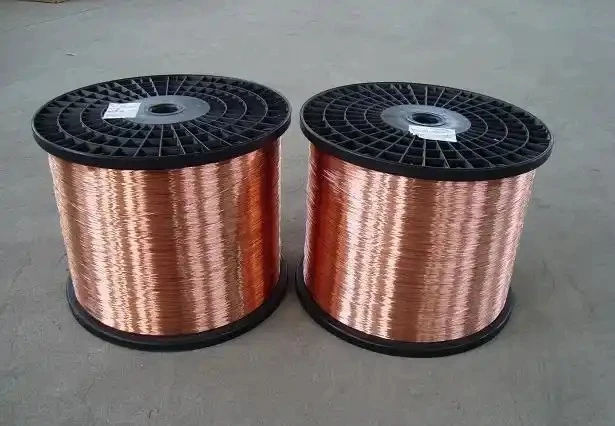
On the other hand, Tin Plated Copper Steel Wire offers excellent corrosion resistance in more specific environments. Tin has good resistance to oxidation and some chemicals. This type of coated wire is often used in electrical applications because it combines the conductivity of copper with the corrosion protection of tin.
If you're looking for something with even better corrosion resistance in harsh chemical environments, a nickel coating might be the way to go. Nickel can withstand many acids and alkalis, making it suitable for use in chemical plants or other industrial settings.
2. Electrical Conductivity
In the world of electrical applications, the conductivity of the coated steel wire is a game - changer. Tin Plated Bronze Steel Wire is a great option here. Bronze itself has decent electrical conductivity, and the tin plating further enhances its performance and protects it from oxidation. This makes it ideal for use in electrical wiring, connectors, and other components where a stable electrical connection is needed.
For applications that require extremely high conductivity, such as in high - powered electrical systems, copper - based coatings are often preferred. Copper is one of the best conductors of electricity, and when used as a coating on steel wire, it can provide the necessary conductivity while still leveraging the strength of the steel core.
3. Mechanical Properties
The mechanical properties of the coated wire are also super important. The coating should not only protect the steel but also maintain or enhance the wire's strength, flexibility, and ductility. For example, a thin and uniform coating is usually better for maintaining flexibility. If the coating is too thick or uneven, it can make the wire brittle and prone to cracking.
Galvanized steel wire, which is coated with zinc, is known for its good balance of strength and flexibility. It can be bent and shaped without the coating flaking off easily. This makes it suitable for a wide range of applications, from construction to manufacturing.
4. Cost
Let's face it, cost is always a major factor in any purchasing decision. Some coatings can be quite expensive, while others are more budget - friendly. For example, zinc coatings are relatively inexpensive, making them a popular choice for large - scale projects where cost - effectiveness is key.
On the contrary, precious metal coatings like gold or silver are extremely expensive and are usually only used in high - end or specialized applications where the unique properties of these metals are absolutely necessary, like in some aerospace or high - tech electronics applications.
If you're on a tight budget but still need some level of corrosion protection, Uncoated Steel Wire might be a starting point. You can then consider applying a simple and inexpensive coating on your own, depending on your specific needs.
5. Aesthetic Requirements
In some cases, how the coated steel wire looks matters. For example, in architectural or decorative applications, a shiny or colored coating can enhance the overall appearance. Tin plating can give the wire a bright, metallic look, which is often desirable in decorative items like jewelry findings or ornamental fences.
Powder coatings come in a wide range of colors and finishes, allowing you to choose a coating that matches the aesthetic of your project. Whether you want a matte, glossy, or textured finish, there's a powder coating option available.
6. Environmental Considerations
In today's world, environmental impact is an important factor. Some coatings are more eco - friendly than others. For example, water - based coatings produce fewer volatile organic compounds (VOCs) compared to solvent - based coatings, making them a better choice for the environment.
Recyclability is also something to think about. Steel is highly recyclable, and some coatings can be more easily removed or recycled along with the steel. Zinc - coated steel, for instance, can be recycled without much difficulty.
7. Compatibility with Other Materials
If the coated steel wire will be used in conjunction with other materials, compatibility is crucial. For example, if the wire will be in contact with plastics or rubber, the coating should not cause any chemical reactions that could degrade these materials.
In some cases, a primer coating may be required to ensure good adhesion between the steel wire and a secondary coating or to improve compatibility with other materials in the assembly.
Conclusion
Selecting the right coating material for coated steel wire is a multi - faceted process. You need to balance factors like corrosion resistance, electrical conductivity, mechanical properties, cost, aesthetics, environmental impact, and compatibility.
As a coated steel wire supplier, I'm here to help you make the best choice for your specific needs. If you're in the market for coated steel wire or have any questions about the coating options available, don't hesitate to reach out for a chat. We can discuss your project requirements in detail and find the perfect coated steel wire solution for you.
References
- ASM Handbook Volume 5: Surface Engineering
- ASTM International Standards related to coated steel products