

Can patented steel wire be used in electronic devices?
Hey there! I'm a supplier of Patented Steel Wire, and I've been getting a lot of questions lately about whether our Patented Steel Wire can be used in electronic devices. So, I thought I'd sit down and write this blog to share my thoughts and insights on the matter.
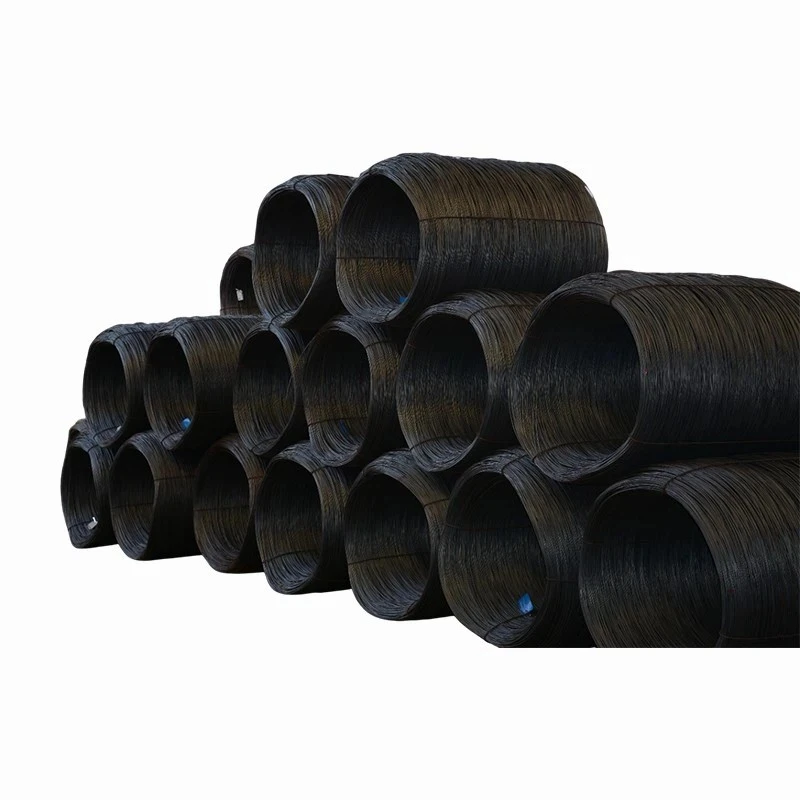
Let's start by understanding what patented steel wire is. Patented steel wire is a type of high - strength steel wire that goes through a special heat - treatment process called patenting. This process gives the wire excellent strength, ductility, and fatigue resistance. The wire is heated to a specific temperature and then rapidly cooled in a controlled manner, which results in a fine - grained microstructure. This unique structure makes the wire suitable for a variety of applications.
Now, let's talk about electronic devices. Electronic devices are all around us, from our smartphones and laptops to large - scale industrial equipment. These devices are made up of numerous components, each with its own specific requirements. When considering using patented steel wire in electronic devices, we need to look at several factors.
Advantages of Using Patented Steel Wire in Electronic Devices
1. Strength and Durability
One of the biggest advantages of patented steel wire is its strength. Electronic devices often go through a lot of wear and tear during daily use. For example, in a smartphone, the internal components need to be held in place securely. Patented steel wire can be used in small springs or fasteners within the device. Its high strength ensures that these components can withstand the mechanical stresses without breaking or deforming easily. This means that the device will have a longer lifespan and be more reliable.
2. Electrical Conductivity
Steel is a conductor of electricity, although not as good as some metals like copper. However, in certain electronic applications where moderate conductivity is sufficient, patented steel wire can be a viable option. For example, in some grounding applications within electronic devices, the wire can be used to provide a path for electrical charges to flow safely to the ground. Its conductivity, combined with its strength, makes it a useful material in these scenarios.
3. Cost - Effectiveness
Compared to some specialty metals used in electronics, patented steel wire is relatively inexpensive. This can be a significant advantage for manufacturers looking to reduce production costs. By using patented steel wire in non - critical but necessary components, they can achieve a good balance between cost and performance.
Challenges of Using Patented Steel Wire in Electronic Devices
1. Corrosion
One of the main challenges is corrosion. Steel is prone to rusting when exposed to moisture and oxygen. In electronic devices, corrosion can be a serious problem as it can affect the performance of the components. For example, if a steel wire used in a spring corrodes, it may lose its elasticity and functionality. To overcome this, the wire can be coated with anti - corrosion materials such as zinc or epoxy. However, this adds an extra step and cost to the manufacturing process.
2. Compatibility with Other Materials
Electronic devices are made up of a variety of materials, including plastics, ceramics, and other metals. Patented steel wire needs to be compatible with these materials. For example, if the wire comes into contact with a plastic component, there should be no chemical reaction that could damage either material. In some cases, surface treatments may be required to ensure compatibility.
3. EMI/RFI Concerns
Electromagnetic interference (EMI) and radio - frequency interference (RFI) are important considerations in electronic devices. Steel wire can act as an antenna and pick up or radiate electromagnetic signals, which can interfere with the normal operation of the device. Special shielding techniques may need to be employed to minimize these effects.
Specific Applications in Electronic Devices
1. Springs
As mentioned earlier, patented steel wire can be used to make small springs in electronic devices. These springs can be used in buttons, switches, and connectors. The high strength and elasticity of the wire ensure that the springs can provide a consistent and reliable response over many cycles of use.
2. Fasteners
Fasteners such as screws and clips made from patented steel wire can be used to hold different components of an electronic device together. Their strength ensures that the components remain securely attached, even when the device is subjected to vibrations or impacts.
3. Grounding Wires
In some electronic devices, patented steel wire can be used as grounding wires. They provide a path for electrical charges to flow to the ground, protecting the device from electrical surges and static electricity.
Other Types of Steel Wire for Electronic Applications
In addition to patented steel wire, there are other types of steel wire that can also be considered for electronic devices. For example, Black Annealed Tie Steel Wire is a softer and more ductile wire. It can be used in applications where flexibility is more important than high strength. On the other hand, Oil Tempered Steel Wire has excellent fatigue resistance and can be used in components that are subjected to repeated stress, such as in some motor - driven electronic devices.
Conclusion
So, can patented steel wire be used in electronic devices? The answer is yes, but with some considerations. Its strength, durability, and cost - effectiveness make it an attractive option for certain applications. However, challenges such as corrosion, compatibility, and EMI/RFI need to be addressed. By understanding these factors and taking appropriate measures, manufacturers can successfully incorporate patented steel wire into their electronic devices.
If you're in the electronics manufacturing industry and are interested in using our patented steel wire or other types of steel wire for your products, I'd love to have a chat with you. We can discuss your specific requirements and see how our products can meet your needs. Don't hesitate to reach out for more information and let's start a great business partnership!
References
- "Materials Science and Engineering: An Introduction" by William D. Callister Jr. and David G. Rethwisch
- "Handbook of Electronic Materials" edited by Christopher A. Floudas and Ioannis E. Lagaris