

Can traditional phosphating be used for stainless steel?
Hey there! As a traditional phosphating supplier, I often get asked if traditional phosphating can be used for stainless steel. It's a valid question, and one that I'm excited to delve into today.
First off, let's quickly recap what traditional phosphating is. Traditional phosphating is a chemical process that involves treating metal surfaces with a phosphate solution. This creates a layer of phosphate crystals on the metal, which can provide several benefits such as corrosion resistance, improved paint adhesion, and reduced friction. It's widely used in industries like automotive, construction, and manufacturing.
Now, let's talk about stainless steel. Stainless steel is known for its excellent corrosion resistance, thanks to the presence of chromium, which forms a passive oxide layer on the surface. This layer protects the steel from rusting and other forms of corrosion. But can traditional phosphating work on this already corrosion - resistant material?
The short answer is, it's complicated. Stainless steel has a very stable and passive surface. The passive oxide layer on stainless steel makes it difficult for the phosphate solution to react and form a proper phosphate coating. In traditional phosphating, the process typically relies on the metal surface being reactive enough to dissolve in the phosphate solution and then form phosphate crystals. With stainless steel, the passive layer acts as a barrier, preventing this reaction from occurring easily.
However, that doesn't mean it's impossible. There are a few ways we can try to make traditional phosphating work on stainless steel. One approach is to pre - treat the stainless steel surface to remove or disrupt the passive layer. This can be done through mechanical methods like sandblasting or chemical methods using pickling agents. By removing the passive layer, we expose the underlying metal, which can then react with the phosphate solution.
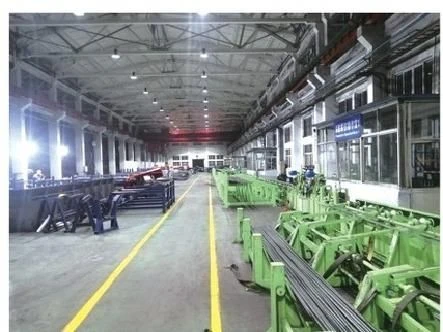
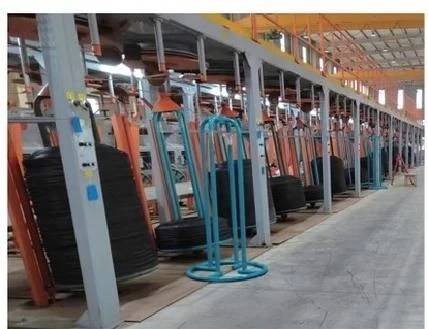
Another factor to consider is the type of traditional phosphating agent. We offer different types of agents for various applications. For example, our Cold - drawn Steel Phosphatizing Agents are designed specifically for cold - drawn steel. While they might not be the first choice for stainless steel, they give you an idea of the variety of agents we have.
Our Immersion Line Phosphatizing Agents are used in immersion - type phosphating processes. These agents can be adjusted and optimized to potentially work on stainless steel with the right pre - treatment. Similarly, our Phosphatizing Agents for Continuous Line are suitable for continuous production lines. With some modifications to the process and the use of appropriate pre - treatments, they could also be used for stainless steel applications.
If we manage to get a proper phosphate coating on stainless steel, what benefits can we expect? Well, even though stainless steel is already corrosion - resistant, a phosphate coating can add an extra layer of protection. It can also improve the adhesion of paints or other coatings applied on top of the stainless steel. This is especially useful in applications where a painted or coated finish is required for aesthetic or additional functional reasons.
But there are also some drawbacks. The pre - treatment process to remove the passive layer can be time - consuming and costly. It also requires careful control to avoid over - etching the stainless steel surface. Additionally, the phosphate coating on stainless steel might not be as thick or as uniform as on other metals, which could affect its performance in some applications.
In real - world applications, the use of traditional phosphating on stainless steel is still relatively limited. Most of the time, other surface treatment methods like passivation or electroplating are preferred for stainless steel. However, there are niche applications where traditional phosphating could be a viable option. For example, in some cases where the combination of the properties of the phosphate coating and stainless steel is required, such as in certain mechanical parts where reduced friction and some additional corrosion protection are needed.
So, to sum it up, traditional phosphating can be used for stainless steel, but it's not straightforward. It requires proper pre - treatment, the right choice of phosphating agent, and careful process control. If you're considering using traditional phosphating for your stainless steel products, we're here to help. Our team of experts has years of experience in the field of phosphating and can work with you to develop a customized solution.
Whether you're a small - scale manufacturer or a large industrial company, we can provide the right phosphating agents and advice to meet your specific needs. If you're interested in learning more about how traditional phosphating can be applied to your stainless steel products, or if you want to discuss other phosphating applications, don't hesitate to reach out. We're always happy to have a chat and explore the possibilities together. Let's see if we can find the perfect phosphating solution for your stainless steel challenges.
References:
- Metal Finishing Guidebook.
- Surface Treatment and Finishing of Stainless Steel.