

How does the chemical composition of oil tempered steel wire affect its properties?
Hey there! As a supplier of oil tempered steel wire, I've seen firsthand how the chemical composition of this stuff can really make or break its properties. So, let's dive into how different elements in oil tempered steel wire affect what it can do.
First off, let's talk about carbon. Carbon is a key player in steel. In oil tempered steel wire, the amount of carbon can have a huge impact on its strength and hardness. Generally, the more carbon there is, the harder and stronger the wire will be. High - carbon oil tempered steel wire is great for applications where you need a lot of strength, like in springs. Springs need to be able to withstand repeated bending and stretching without losing their shape, and high - carbon steel can handle that stress.
On the flip side, if you have too much carbon, the wire can become brittle. That means it's more likely to break when it's bent or under sudden stress. So, it's all about finding that sweet spot. We usually aim for a carbon content that gives us a good balance of strength and ductility. Ductility is the ability of the wire to be stretched or deformed without breaking, and it's super important in many manufacturing processes.
Next up is manganese. Manganese is another important element. It helps to improve the hardenability of the steel. Hardenability is how well the steel can be hardened throughout its cross - section when it's heat - treated. When we temper the steel wire in oil, manganese makes sure that the hardening process works evenly. This results in a more consistent quality wire.
Manganese also helps to remove sulfur impurities from the steel. Sulfur can make the steel brittle and cause problems during the manufacturing process. By getting rid of sulfur, manganese improves the overall quality and workability of the oil tempered steel wire.
Silicon is also present in oil tempered steel wire. Silicon is great at deoxidizing the steel. When we're making the steel, oxygen can get into the mix, and that can create defects in the wire. Silicon helps to remove this oxygen, making the steel cleaner and more uniform.
It also enhances the strength and elasticity of the wire. In applications where the wire needs to stretch and then return to its original shape, like in suspension wires, silicon - rich oil tempered steel wire is a great choice.
Now, let's talk about chromium. Chromium is well - known for its ability to increase the corrosion resistance of steel. In oil tempered steel wire, a small amount of chromium can make a big difference. If the wire is going to be used in an environment where it might be exposed to moisture or chemicals, chromium can help prevent rust and other forms of corrosion.
Chromium also improves the wear resistance of the wire. In applications where the wire is in contact with other surfaces and experiences a lot of friction, like in conveyor belts, chromium - containing oil tempered steel wire will last longer.
Nickel is another element that can be added to oil tempered steel wire. Nickel improves the toughness and ductility of the steel. It also helps to lower the temperature at which the steel becomes brittle. This is really useful in cold - weather applications. For example, if the wire is going to be used in outdoor equipment that has to withstand freezing temperatures, nickel - enhanced oil tempered steel wire will perform better.
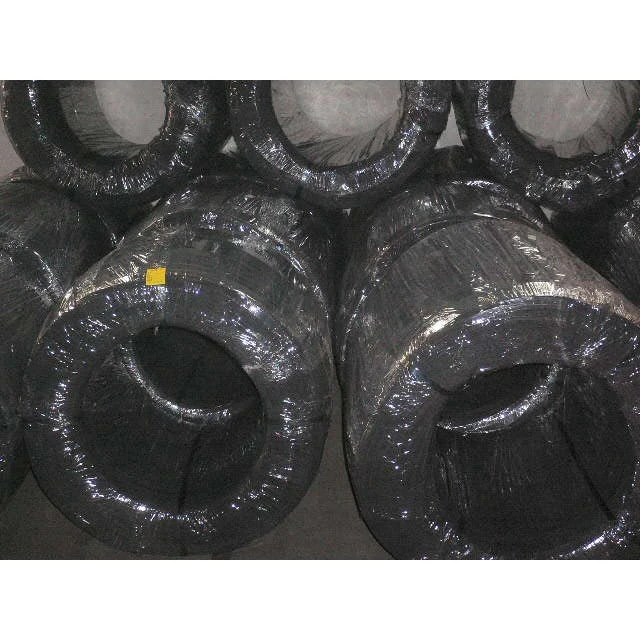
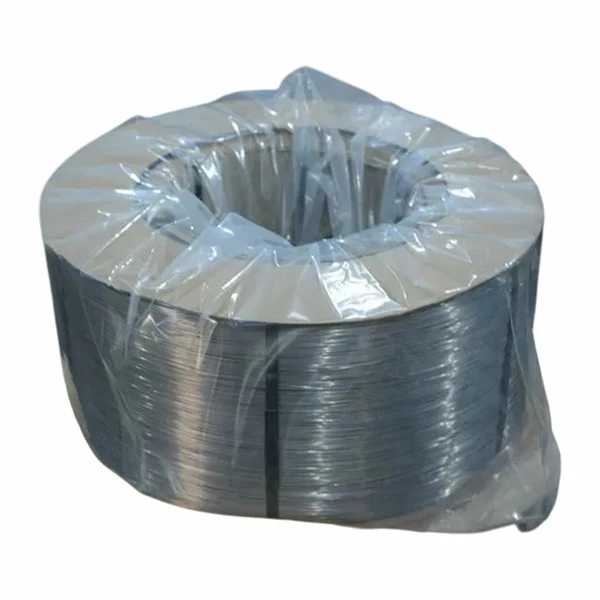
Phosphorus and sulfur are generally considered impurities in oil tempered steel wire, but they still have an impact. As I mentioned earlier, sulfur can make the steel brittle, especially at high temperatures. Phosphorus can also make the steel brittle, but it mainly affects the low - temperature properties. We try to keep the levels of phosphorus and sulfur as low as possible to ensure the best quality wire.
The chemical composition of oil tempered steel wire also affects its electrical conductivity. While oil tempered steel wire isn't typically used for high - end electrical applications, some elements can influence how well it conducts electricity. For example, copper can be added in small amounts to improve the electrical conductivity of the wire.
Now, let's touch on some related products. If you're interested in different types of steel wire, you might want to check out Phosphate Coating Steel Wire. Phosphate coating can provide additional corrosion protection and improve the adhesion of lubricants during the manufacturing process.
Another option is Black Annealed Tie Steel Wire. This type of wire is softer and more flexible, making it great for tying and binding applications.
And if you're looking for a wire with a specific heat - treatment process, Patented Steel Wire could be the right choice. Patented steel wire has a unique microstructure that gives it excellent strength and ductility.
As a supplier, I know that choosing the right oil tempered steel wire for your application is crucial. The chemical composition can determine whether the wire will perform well in your specific use case. That's why we offer a wide range of oil tempered steel wires with different chemical compositions to meet various needs.
If you're in the market for oil tempered steel wire or any of the related products I mentioned, I'd love to have a chat with you. Whether you need high - carbon wire for strong springs or a wire with good corrosion resistance for outdoor use, we can help you find the perfect solution. Just reach out, and we can start discussing your requirements and how we can meet them.
References
- ASM Handbook Volume 1: Properties and Selection: Irons, Steels, and High - Performance Alloys. ASM International.
- Steel Metallurgy for the Non - Metallurgist. J. D. Verhoeven. ASM International.