

How does the thickness of low strength steel wire affect its performance?
Hey there! I'm a supplier of Low Strength Steel Wire, and today I wanna chat about how the thickness of this wire can really affect its performance.
First off, let's understand what low strength steel wire is. It's not as strong as High Strength Steel Wire, but it has its own set of uses. You can find it in applications where high tensile strength isn't the top priority. And of course, we also have Generalstrength Steel Wire in between these two extremes.
Thickness and Tensile Strength
One of the most obvious ways thickness impacts performance is through tensile strength. Generally speaking, as the thickness of low strength steel wire increases, its tensile strength also goes up. Think of it like a rope. A thicker rope can usually hold more weight than a thinner one.
When we produce thinner low strength steel wire, it's more flexible. This makes it great for applications where you need to bend or shape the wire easily. For example, in some decorative work, like making wire sculptures or ornamental items, the thin wire can be twisted and turned into all sorts of shapes without breaking.
On the other hand, thicker low strength steel wire is stronger and can withstand more pulling force. It's often used in construction for things like tying rebar together. The extra thickness gives it the ability to hold the heavy rebar in place, ensuring the stability of the structure.
But here's the thing. Just because a thicker wire has more tensile strength doesn't mean it's always the best choice. In some cases, the extra strength might not be necessary, and it could add unnecessary weight and cost to the project.
Flexibility and Ductility
Flexibility and ductility are closely related to the thickness of the wire. Thinner low strength steel wire is extremely flexible. You can bend it back and forth multiple times without it cracking or breaking. This is because the thinner cross - section allows for more deformation without reaching the wire's breaking point.
For instance, in the jewelry - making industry, thin low strength steel wire is a popular choice. Jewelers can create intricate designs by bending and looping the wire to make chains, clasps, and other components. The wire's flexibility allows for detailed and delicate work.
However, as the wire gets thicker, its flexibility decreases. Thicker wire is less likely to be bent into tight curves. It requires more force to deform, and if too much force is applied, it may crack or break. But this lower flexibility can also be an advantage in some situations. In fencing applications, thicker low strength steel wire is used. The reduced flexibility means the fence will maintain its shape better and won't easily be pushed out of place by external forces like animals or wind.
Ductility is also affected by thickness. Ductility refers to the ability of a material to be stretched into a wire or deformed without fracturing. Thinner wires usually have higher ductility because the atoms in the metal have more room to move around when the wire is being stretched. Thicker wires, while still ductile to some extent, may have a lower ductility due to the larger mass of metal that needs to be deformed.
Corrosion Resistance
The thickness of low strength steel wire can also impact its corrosion resistance. Thicker wires generally have better corrosion resistance compared to thinner ones. This is because there is more metal available to sacrifice before the corrosion reaches the core of the wire.
In outdoor applications, like agricultural fencing or outdoor decorative elements, corrosion is a major concern. Thicker low strength steel wire can last longer in harsh weather conditions. The outer layer of the wire will corrode first, and the thicker the wire, the more time it takes for the corrosion to penetrate deep enough to compromise the wire's strength.
Thinner wires, on the other hand, are more vulnerable to corrosion. A small amount of corrosion can quickly eat through the thin cross - section, weakening the wire and reducing its lifespan. To combat this, thinner wires are often coated with anti - corrosion materials like zinc or paint.
Cost and Efficiency
Cost is always a factor when choosing the right thickness of low strength steel wire. Thicker wire generally costs more than thinner wire. This is because it uses more raw materials during the production process.
In terms of efficiency, thinner wire is often quicker to produce. The manufacturing process for thinner wire requires less energy and time compared to thicker wire. However, in some applications, the cost - savings from using thinner wire may be offset by the need for more frequent replacements due to its lower strength and corrosion resistance.
When considering a project, it's important to weigh the cost against the performance requirements. If the project only needs a low - strength wire and flexibility is a key factor, then thinner wire might be the more cost - effective option. But if strength and durability are crucial, investing in thicker low strength steel wire could save money in the long run by reducing the need for frequent repairs or replacements.
Fatigue Resistance
Fatigue resistance is another aspect affected by the thickness of the wire. Fatigue occurs when a material is subjected to repeated loading and unloading. Thicker low strength steel wire generally has better fatigue resistance than thinner wire.
In applications where the wire is constantly under stress, like in some mechanical systems or suspension bridges, the ability to withstand fatigue is essential. The thicker wire can handle the repeated stress cycles better because it has a larger cross - sectional area to distribute the load.
Thinner wire, due to its smaller cross - section, is more likely to develop cracks and eventually break under repeated stress. So, if your project involves continuous movement or repeated loading, you might want to opt for a thicker low strength steel wire.
Conclusion
As you can see, the thickness of low strength steel wire has a significant impact on its performance in various aspects, including tensile strength, flexibility, ductility, corrosion resistance, cost, and fatigue resistance. Each thickness has its own advantages and disadvantages, and the choice depends on the specific requirements of your project.

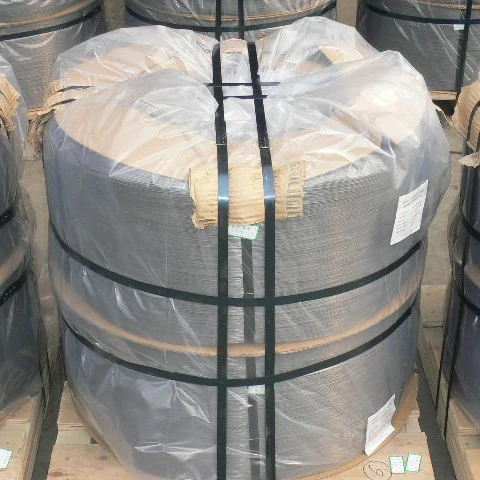
If you're in the market for Low Strength Steel Wire and need help figuring out the right thickness for your needs, don't hesitate to reach out. We're here to assist you in making the best decision for your project. Whether it's a small - scale DIY project or a large - scale construction job, we've got the expertise and the right products for you. Let's have a chat and see how we can meet your requirements!
References
- Materials Science textbooks
- Industry reports on steel wire production and applications
- Research papers on the mechanical properties of low strength steel wire