

How is stainless steel wire made?
How is stainless steel wire made?
As a dedicated stainless steel wire supplier, I'm often asked about the process behind creating this versatile product. Stainless steel wire is a fundamental material used in a wide range of industries, from construction and automotive to jewelry and medical devices. Understanding how it's made can provide valuable insights into its quality, properties, and applications. In this blog post, I'll take you through the step-by-step process of manufacturing stainless steel wire.
Raw Material Selection
The first crucial step in making stainless steel wire is selecting the right raw materials. Stainless steel is an alloy primarily composed of iron, chromium, and nickel, along with other elements like molybdenum, titanium, and manganese. The specific composition of the alloy determines the wire's properties, such as corrosion resistance, strength, and ductility.
At our company, we source high-quality stainless steel from reputable suppliers. We carefully analyze the chemical composition of the raw materials to ensure they meet our strict quality standards. The most common grades of stainless steel used for wire production are 304 and 316, which offer excellent corrosion resistance and are suitable for a variety of applications.
Melting and Casting
Once the raw materials are selected, they are melted in an electric arc furnace or a induction furnace. The furnace heats the materials to extremely high temperatures, typically around 1,600°C (2,912°F), until they become a molten liquid. During the melting process, various additives may be introduced to adjust the chemical composition of the alloy and improve its properties.
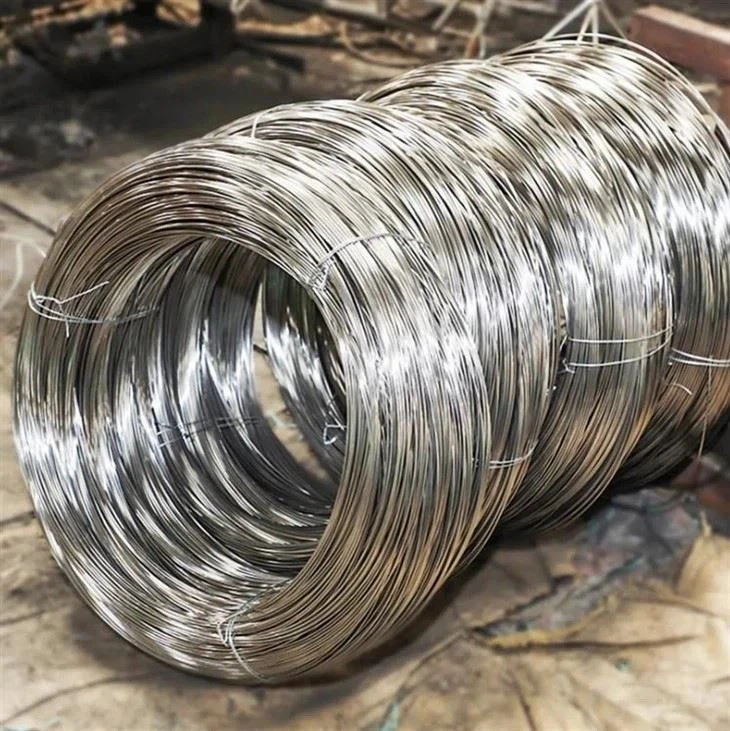
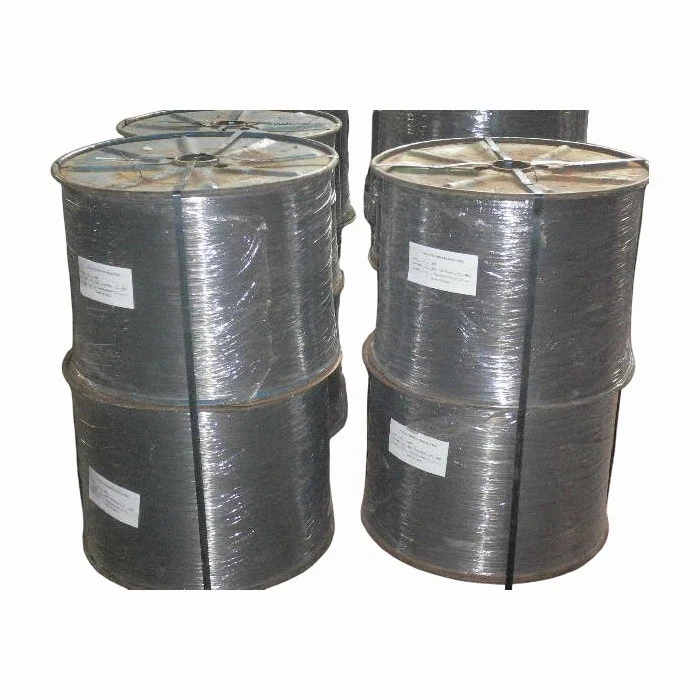
After the melting is complete, the molten stainless steel is cast into ingots or billets. Ingots are large rectangular blocks, while billets are smaller, cylindrical shapes. The casting process involves pouring the molten metal into molds and allowing it to solidify. The solidified ingots or billets are then cooled slowly to relieve internal stresses and ensure uniform grain structure.
Hot Rolling
The next step in the manufacturing process is hot rolling. The ingots or billets are heated to a high temperature, usually around 1,100°C (2,012°F), and passed through a series of rolling mills. The rolling mills apply pressure to the metal, reducing its thickness and increasing its length. This process is repeated several times, gradually shaping the metal into a long, continuous rod.
Hot rolling not only reduces the size of the metal but also improves its mechanical properties. The high temperature and pressure during rolling cause the grains in the metal to align in a more uniform direction, making the wire stronger and more ductile. The hot-rolled rod is then cooled and cut into shorter lengths for further processing.
Cold Drawing
After hot rolling, the rod is ready for cold drawing. Cold drawing is a process in which the rod is pulled through a series of dies, each with a smaller diameter than the previous one. The dies are made of hardened steel or carbide and are designed to reduce the diameter of the rod while increasing its length.
During cold drawing, the rod is lubricated to reduce friction and prevent damage to the surface. As the rod passes through the dies, the metal is deformed plastically, causing it to become thinner and longer. The cold drawing process can be repeated several times, depending on the desired diameter and properties of the wire.
Cold drawing has several advantages over hot rolling. It produces a wire with a smoother surface finish, better dimensional accuracy, and higher strength. The cold working process also increases the hardness of the wire, making it more resistant to wear and deformation. However, cold drawing can also make the wire more brittle, so it may need to be annealed to restore its ductility.
Annealing
Annealing is a heat treatment process used to relieve internal stresses and improve the ductility of the wire. After cold drawing, the wire is heated to a specific temperature, usually between 700°C (1,292°F) and 1,000°C (1,832°F), and held at that temperature for a certain period of time. The exact temperature and time depend on the type of stainless steel and the desired properties of the wire.
During annealing, the metal atoms are allowed to rearrange themselves, reducing the internal stresses and restoring the ductility of the wire. The wire is then cooled slowly to room temperature to prevent the formation of new internal stresses. Annealing can be done in a batch furnace or a continuous annealing line, depending on the production volume and requirements.
Surface Treatment
Once the wire has been annealed, it may undergo surface treatment to improve its corrosion resistance, appearance, or other properties. There are several surface treatment methods available, including pickling, passivation, electroplating, and coating.
Pickling is a process in which the wire is immersed in an acid solution to remove any scale, rust, or other impurities from the surface. This helps to expose the clean metal surface and improve the adhesion of subsequent coatings. Passivation is a chemical treatment that forms a thin, protective oxide layer on the surface of the wire, which helps to prevent corrosion.
Electroplating is a process in which a thin layer of metal, such as nickel, chromium, or zinc, is deposited on the surface of the wire using an electric current. Electroplating can improve the corrosion resistance, wear resistance, and appearance of the wire. Coating is a process in which a layer of paint, polymer, or other material is applied to the surface of the wire to provide additional protection or functionality.
Final Inspection and Packaging
Before the wire is shipped to customers, it undergoes a final inspection to ensure it meets the required quality standards. The inspection may include visual inspection, dimensional measurement, mechanical testing, and chemical analysis. Any wire that does not meet the standards is rejected and recycled.
Once the wire has passed the inspection, it is packaged for shipment. The wire can be packaged in coils, spools, or bundles, depending on the customer's requirements. The packaging is designed to protect the wire from damage during transportation and storage.
Conclusion
In conclusion, the manufacturing process of stainless steel wire is a complex and multi-step process that involves several stages, from raw material selection to final inspection and packaging. Each stage plays a crucial role in determining the quality, properties, and performance of the wire. By understanding the manufacturing process, customers can make informed decisions when selecting stainless steel wire for their specific applications.
If you're interested in purchasing stainless steel wire for your project, we invite you to contact us for more information. Our team of experts can help you choose the right grade, diameter, and surface finish of the wire to meet your requirements. We offer a wide range of stainless steel wire products, including Alloy Steel Wire and Cold Drawn Stainless Steel Wire. We look forward to working with you and providing you with the highest quality stainless steel wire at competitive prices.
References
- ASM Handbook, Volume 1: Properties and Selection: Irons, Steels, and High-Performance Alloys, ASM International, 1990.
- Metals Handbook Desk Edition, Second Edition, ASM International, 1998.
- Stainless Steel: A Primer, The Nickel Institute, 2006.