

How to ensure the long - term stability of patented steel wire performance?
As a supplier of Patented Steel Wire, I've been in the industry for quite some time, and I've seen firsthand the importance of ensuring the long - term stability of our product's performance. In this blog, I'll share some key insights and strategies that we've found effective in maintaining the high - quality and consistent performance of patented steel wire over the long haul.
Understanding Patented Steel Wire
First off, let's briefly talk about what Patented Steel Wire is. Patented steel wire is made through a specialized heat - treatment process called patenting. This process involves heating the wire to a specific temperature and then rapidly cooling it in a controlled environment. This gives the wire a fine - grained, pearlitic microstructure, which results in excellent strength, ductility, and drawability. You can learn more about it here.
Raw Material Selection
The foundation of long - term performance stability starts with the raw materials. We source high - quality steel billets from trusted suppliers. The chemical composition of the steel is crucial. Elements like carbon, manganese, silicon, and sulfur need to be within a precise range. For example, carbon content affects the strength of the wire. Too much carbon can make the wire brittle, while too little can result in insufficient strength.

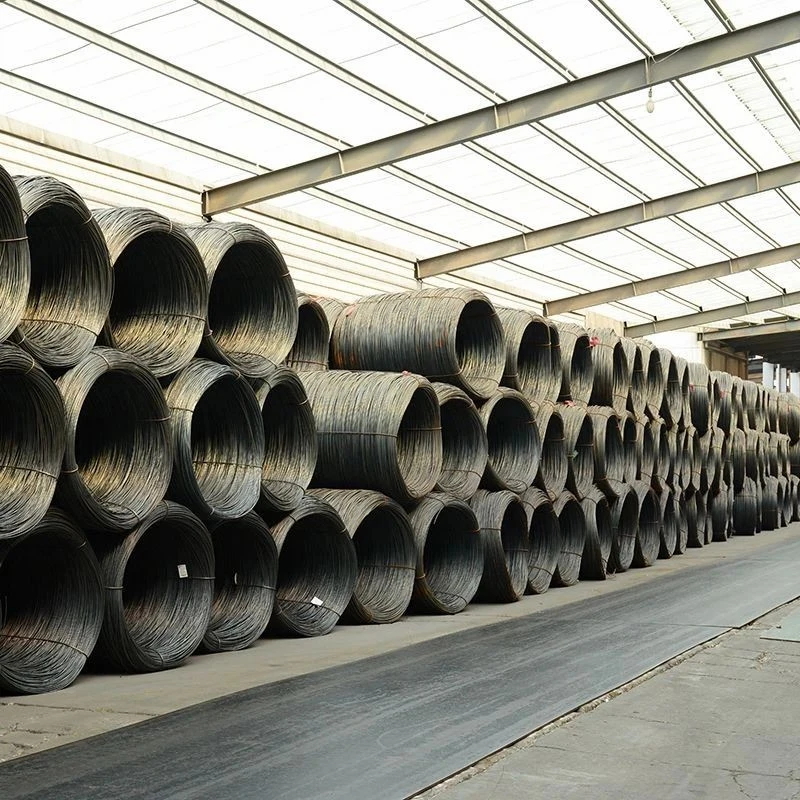
We also conduct thorough inspections of the raw materials. This includes checking for surface defects, such as cracks or inclusions, which can weaken the wire and lead to premature failure. By starting with top - notch raw materials, we set the stage for a high - performance end product.
Precision in the Patenting Process
The patenting process itself is a delicate balancing act. Temperature control is of utmost importance. We use advanced heating and cooling equipment to ensure that the wire is heated to the exact temperature required for the patenting process and then cooled at a consistent rate. Any fluctuations in temperature can lead to variations in the microstructure of the wire, which can affect its performance.
The speed at which the wire passes through the patenting equipment also needs to be carefully regulated. If the wire moves too fast, it may not reach the optimal temperature or cool properly. On the other hand, if it moves too slowly, it can waste energy and potentially over - heat the wire.
Quality Control During Production
Throughout the production process, we have a rigorous quality control system in place. We take regular samples of the wire and perform a series of tests. Tensile strength tests are used to measure the maximum amount of stress the wire can withstand before breaking. Elongation tests determine how much the wire can stretch before it fails. These tests help us ensure that the wire meets the required standards.
We also use non - destructive testing methods, such as ultrasonic testing and magnetic particle inspection, to detect any internal or surface defects that may not be visible to the naked eye. By catching these issues early, we can take corrective actions and prevent sub - standard wire from leaving our facility.
Coating and Surface Treatment
Applying a suitable coating to the patented steel wire can significantly enhance its long - term performance. Coatings can provide protection against corrosion, which is one of the main factors that can degrade the wire over time. For example, zinc coating can act as a sacrificial anode, protecting the steel from rusting.
Another option is Black Annealed Tie Steel Wire, which undergoes a different type of heat treatment and has a unique surface finish. This type of wire is often used in applications where a more flexible and corrosion - resistant option is needed.
Storage and Handling
Proper storage and handling of the patented steel wire are also essential for maintaining its performance. We store the wire in a dry, clean environment to prevent moisture and contaminants from coming into contact with it. The wire is typically coiled and wrapped in protective packaging to prevent damage during storage and transportation.
When handling the wire, we use appropriate equipment to avoid bending or kinking it. Any physical damage to the wire can weaken it and reduce its performance.
Monitoring and Feedback
Even after the wire is produced and delivered to our customers, our commitment to performance stability doesn't end. We encourage our customers to provide feedback on the performance of the wire. This feedback helps us identify any potential issues and make improvements to our production process.
We also conduct long - term monitoring of the wire in real - world applications. This can involve working with customers to collect data on how the wire performs over time, such as changes in strength or corrosion resistance. By analyzing this data, we can continuously optimize our processes and ensure that our patented steel wire remains reliable in the long run.
Comparison with Other Types of Steel Wire
It's worth comparing patented steel wire with other types, like Oil Tempered Steel Wire. Oil tempered steel wire is heat - treated in oil, which gives it a different set of properties. While oil tempered steel wire is known for its high strength and good fatigue resistance, patented steel wire offers excellent drawability and ductility, making it suitable for applications where the wire needs to be further processed, such as in the manufacturing of springs or cables.
Conclusion
Ensuring the long - term stability of patented steel wire performance is a multi - faceted process. It starts with the selection of high - quality raw materials, followed by precision in the patenting process, strict quality control, appropriate coating and surface treatment, proper storage and handling, and continuous monitoring and improvement.
If you're in the market for high - performance patented steel wire, I encourage you to get in touch with us. We're confident in the quality and long - term performance of our products and would be happy to discuss your specific requirements. Whether you need wire for construction, automotive, or other industries, we can provide you with a solution that meets your needs.
References
- ASM Handbook, Volume 1: Properties and Selection: Irons, Steels, and High - Performance Alloys
- Steel Wire Handbook: Technology, Processing, Applications
So, don't hesitate to reach out and start a conversation about your patented steel wire needs. We're here to help you get the best product for your applications.