

How to handle low strength steel wire to avoid injuries?
Hey there! I'm a supplier of Low Strength Steel Wire, and I've seen firsthand how important it is to handle this stuff safely. In this blog, I'll share some tips on how to handle low strength steel wire to avoid injuries.
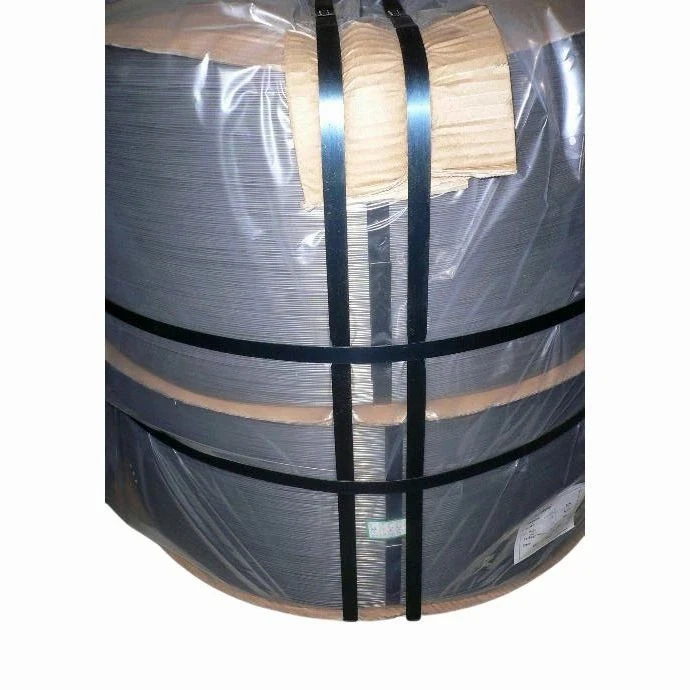
First off, let's talk a bit about what low strength steel wire is. Low strength steel wire, as the name suggests, has a lower tensile strength compared to Generalstrength Steel Wire and High Strength Steel Wire. It's often used in applications where high strength isn't a top priority, like in some types of fencing, light - duty bindings, or basic crafts. You can find more about it on our Low Strength Steel Wire page.
Wear the Right Gear
One of the most basic yet crucial steps in handling low strength steel wire is wearing the right protective gear. Gloves are an absolute must. Steel wire can be sharp, and even a small cut can lead to an infection if not properly treated. Opt for thick, cut - resistant gloves. They'll protect your hands from cuts and abrasions while you're handling the wire.
Safety glasses are also important. When you're cutting or bending the wire, small pieces can fly off and hit your eyes. Safety glasses with side shields will give you the best protection. And if you're working in an area where there's a lot of dust or debris, consider wearing a dust mask to protect your lungs.
Inspect the Wire Before Use
Before you start working with the low strength steel wire, take a few minutes to inspect it. Look for any signs of damage, like kinks, rust, or sharp burrs. Kinked wire can be difficult to work with and may break unexpectedly. Rust can weaken the wire, making it more likely to snap under stress. And sharp burrs can cause cuts.
If you find any damaged sections, it's best to cut them off and discard them. This will not only make your work easier but also reduce the risk of injuries.
Use the Right Tools
Using the right tools for the job is essential. For cutting low strength steel wire, a good pair of wire cutters is a must. Make sure the wire cutters are sharp and in good condition. Dull cutters can make the cutting process more difficult and may cause the wire to fray or break unevenly.
When bending the wire, use pliers. Pliers give you better control and reduce the risk of getting your fingers pinched. There are different types of pliers available, such as needle - nose pliers for precise bending and flat - nose pliers for general bending. Choose the one that suits your needs.
Proper Storage
Proper storage of low strength steel wire is often overlooked but is very important. When the wire is not in use, store it in a dry, clean place. Moisture can cause the wire to rust, which weakens it and makes it more dangerous to handle.
Coil the wire neatly and secure it with a tie or a clip. This will prevent it from getting tangled, which can be a hassle and also increase the risk of injuries when you're trying to untangle it.
Be Mindful of Your Surroundings
When handling low strength steel wire, be aware of your surroundings. Make sure there's enough space to work. You don't want to be cramped up, as this can increase the risk of accidents.
Keep the work area clean and organized. Remove any clutter or debris that could cause you to trip or fall. And if you're working with others, communicate clearly. Let them know when you're cutting or moving the wire so they can stay out of the way.
Avoid Overloading the Wire
Low strength steel wire has its limits. Don't try to use it for applications that require more strength than it can provide. For example, don't use it to support heavy loads or in high - stress situations. If you need more strength, consider using Generalstrength Steel Wire or High Strength Steel Wire instead.
Cut and Bend the Wire Safely
When cutting the wire, hold it firmly with one hand and use the wire cutters with the other. Make sure your fingers are well clear of the cutting area. Apply steady pressure on the wire cutters until the wire is cut. Don't try to force the cutters if the wire is too thick. It's better to use a larger pair of cutters or a different cutting tool.
When bending the wire, start slowly and gradually increase the angle. Use the pliers to guide the wire into the desired shape. Avoid sudden or jerky movements, as this can cause the wire to break and fly off.
Dispose of Waste Properly
After you've finished working with the low strength steel wire, don't just leave the waste lying around. Dispose of it properly. Collect all the cut - off pieces and place them in a designated container. This will prevent others from accidentally stepping on the sharp pieces and getting injured.

Training and Education
If you're working in a team or have employees handling the low strength steel wire, provide proper training and education. Make sure they know how to handle the wire safely, what protective gear to wear, and how to use the tools correctly. Regular safety training sessions can go a long way in reducing the number of injuries.
Handling Long Lengths of Wire
When dealing with long lengths of low strength steel wire, it can be a bit tricky. Roll out the wire slowly and carefully to avoid tangles. If possible, have someone help you unroll the wire. This will make the process smoother and safer.
Once the wire is unrolled, secure it at both ends to prevent it from moving around. This will make it easier to cut and work with.
Dealing with Tension
If you're using the low strength steel wire in a situation where it needs to be under tension, be very careful. Tensioned wire can be extremely dangerous if it snaps. Make sure you're using the right equipment to apply the tension, and always follow the manufacturer's instructions.
If you notice any signs of excessive stress on the wire, like it starting to stretch or make strange noises, release the tension immediately. This could be a sign that the wire is about to break.
Conclusion
Handling low strength steel wire safely is all about being prepared and taking the right precautions. By wearing the right gear, inspecting the wire, using the right tools, and following the safety guidelines, you can significantly reduce the risk of injuries.
If you're in the market for high - quality low strength steel wire, we're here to help. We offer a wide range of low strength steel wire products that are suitable for various applications. Whether you're a DIY enthusiast or a professional contractor, we've got you covered. Contact us for more information and to start a procurement discussion. We're looking forward to working with you!
References
- Occupational Safety and Health Administration (OSHA) guidelines on handling steel wire.
- Manufacturer's instructions for low strength steel wire products.