

How to improve the corrosion resistance of high strength steel wire?
Hey there! As a supplier of High Strength Steel Wire, I've seen firsthand how important it is to improve the corrosion resistance of this material. Corrosion can not only damage the appearance of the steel wire but also significantly reduce its strength and lifespan. In this blog, I'll share some practical ways to enhance the corrosion resistance of high strength steel wire.
Understanding the Basics of Corrosion
Before we dive into the solutions, let's quickly understand what corrosion is. Corrosion is a natural process that occurs when metal reacts with its environment, usually oxygen and moisture. For high strength steel wire, factors like humidity, salt exposure, and acidic conditions can speed up the corrosion process.
Think about it like this: when you leave a metal tool outside in the rain, it starts to rust over time. The same thing happens to high strength steel wire in certain environments. If we don't take steps to prevent it, the wire can become weak and unreliable, which is a big no - no, especially in applications where strength and durability are crucial.
Coating Methods
One of the most common and effective ways to improve corrosion resistance is through coating. There are several types of coatings available, each with its own advantages.
Galvanizing
Galvanizing is a popular method where a layer of zinc is applied to the steel wire. Zinc acts as a sacrificial anode, which means it corrodes before the steel does. When the zinc layer is exposed to the environment, it forms a protective layer of zinc oxide or zinc hydroxide, which slows down the corrosion process.
There are two main types of galvanizing: hot - dip galvanizing and electro - galvanizing. Hot - dip galvanizing involves dipping the steel wire into a bath of molten zinc. This method creates a thick and durable zinc coating that can provide long - term protection. Electro - galvanizing, on the other hand, uses an electric current to deposit a thin layer of zinc onto the wire. It's a more precise method and can be used for applications where a thinner coating is required.
If you're interested in different types of steel wire, you can check out Generalstrength Steel Wire and High Strength Steel Wire on our website.
Polymer Coatings
Polymer coatings are another option. These coatings can be made from various polymers, such as epoxy, polyurethane, or polyethylene. Polymer coatings provide a physical barrier between the steel wire and the environment, preventing moisture and oxygen from reaching the metal surface.
They also have the advantage of being customizable. You can choose a polymer coating with specific properties, such as flexibility, chemical resistance, or UV resistance, depending on the application. For example, if the steel wire is going to be used outdoors, a UV - resistant polymer coating can help prevent the coating from breaking down due to sunlight exposure.
Alloying
Alloying is the process of adding other elements to the steel to improve its properties. When it comes to corrosion resistance, elements like chromium, nickel, and molybdenum can be added to high strength steel wire.
Chromium is well - known for its ability to form a passive oxide layer on the steel surface. This layer is very thin but extremely protective, preventing further corrosion. Stainless steel, which contains a significant amount of chromium, is a prime example of an alloy with excellent corrosion resistance.
Nickel can also enhance corrosion resistance, especially in acidic environments. It helps to improve the stability of the passive layer and reduces the rate of corrosion. Molybdenum is often added to steel alloys to increase their resistance to pitting corrosion, which is a type of localized corrosion that can cause small holes in the metal surface.
However, alloying can be more expensive than coating methods, and it may also affect the mechanical properties of the steel wire. So, it's important to carefully consider the cost - benefit ratio when choosing this option.
Environmental Control
Controlling the environment where the high strength steel wire is used can also play a big role in preventing corrosion.
Reducing Humidity
Humidity is one of the main factors that contribute to corrosion. By reducing the humidity in the storage or operating environment, you can slow down the corrosion process. This can be achieved through the use of dehumidifiers or by storing the steel wire in a dry place.
For example, if you're storing the wire in a warehouse, make sure the ventilation is good and the humidity is kept at a reasonable level. You can also use moisture - absorbing materials, such as silica gel, to help keep the air dry.
Avoiding Contact with Corrosive Substances
High strength steel wire should be kept away from corrosive substances, such as acids, alkalis, and salts. If the wire comes into contact with these substances, it can quickly start to corrode.
In industrial settings, it's important to take precautions to prevent spills or leaks of corrosive chemicals. If the wire is used in a marine environment, it should be protected from saltwater spray. You can use protective covers or coatings to prevent direct contact with these corrosive substances.
Regular Inspection and Maintenance
Even if you've taken all the necessary steps to improve the corrosion resistance of the high strength steel wire, regular inspection and maintenance are still essential.
Inspect the wire regularly for signs of corrosion, such as rust spots, discoloration, or pitting. If you notice any signs of corrosion, take immediate action to prevent it from spreading. This may involve cleaning the wire, removing the corroded parts, and applying a new coating if necessary.

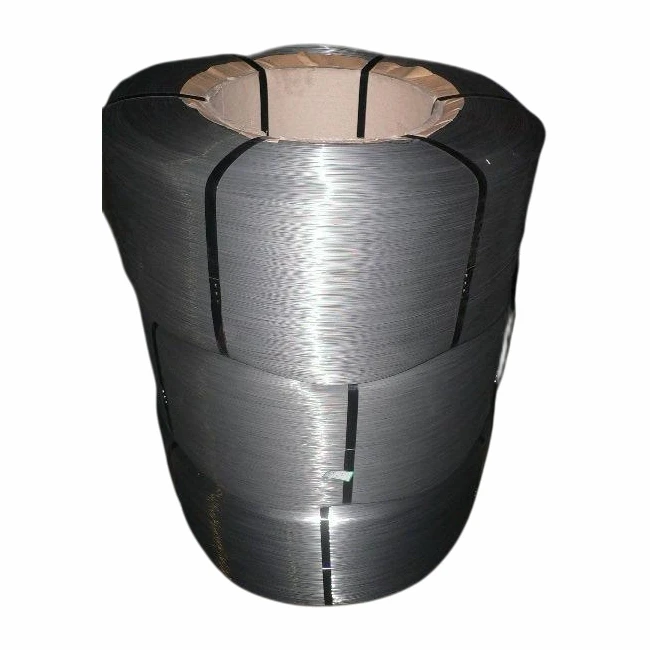
Maintenance also includes checking the integrity of the coating or alloy. If the coating is damaged or the alloy has been compromised, it may need to be repaired or replaced.
Conclusion
Improving the corrosion resistance of high strength steel wire is crucial for ensuring its long - term performance and reliability. By using coating methods, alloying, environmental control, and regular inspection and maintenance, you can significantly reduce the risk of corrosion.
As a supplier of High Strength Steel Wire, I'm always here to help you choose the best solution for your specific needs. Whether you're looking for a cost - effective coating or a high - performance alloy, we can provide you with the right products and advice.
If you're interested in purchasing high strength steel wire or have any questions about improving its corrosion resistance, don't hesitate to reach out. We're ready to have a detailed discussion with you and help you make the best decision for your project.
References
- Fontana, M. G. (1986). Corrosion Engineering. McGraw - Hill.
- Uhlig, H. H., & Revie, R. W. (1985). Corrosion and Corrosion Control. Wiley - Interscience.
- ASM Handbook Committee. (2003). ASM Handbook Volume 13A: Corrosion: Fundamentals, Testing, and Protection. ASM International.