

Is cold drawn steel wire suitable for use in electrical applications?
Cold drawn steel wire is a versatile material that has found its way into numerous industries due to its unique properties. As a supplier of Cold Drawn Steel Wire, I often receive inquiries about its suitability for electrical applications. In this blog post, I will delve into the characteristics of cold drawn steel wire and evaluate whether it is a good fit for electrical uses.
Understanding Cold Drawn Steel Wire
Cold drawn steel wire is produced through a process where the steel wire is pulled through a die at room temperature. This process reduces the diameter of the wire and enhances its mechanical properties. The cold drawing process aligns the grain structure of the steel, resulting in increased strength, hardness, and improved surface finish.
One of the key advantages of cold drawn steel wire is its high tensile strength. This makes it suitable for applications where the wire needs to withstand significant stress without breaking. Additionally, the cold drawing process can produce wires with very precise dimensions, which is crucial for applications that require tight tolerances.
Properties Relevant to Electrical Applications
When considering the suitability of cold drawn steel wire for electrical applications, several properties come into play.
Electrical Conductivity
Steel is not known for its excellent electrical conductivity compared to metals like copper and aluminum. Copper, for instance, has a very high electrical conductivity, which makes it the material of choice for most electrical wiring. The electrical conductivity of steel is significantly lower, which means that using cold drawn steel wire in electrical applications where high conductivity is required may result in higher energy losses due to resistance.
However, in some cases, the conductivity of steel may be sufficient. For example, in applications where the electrical current is relatively low or where the primary function of the wire is not to conduct electricity but to provide mechanical support, cold drawn steel wire can be a viable option.
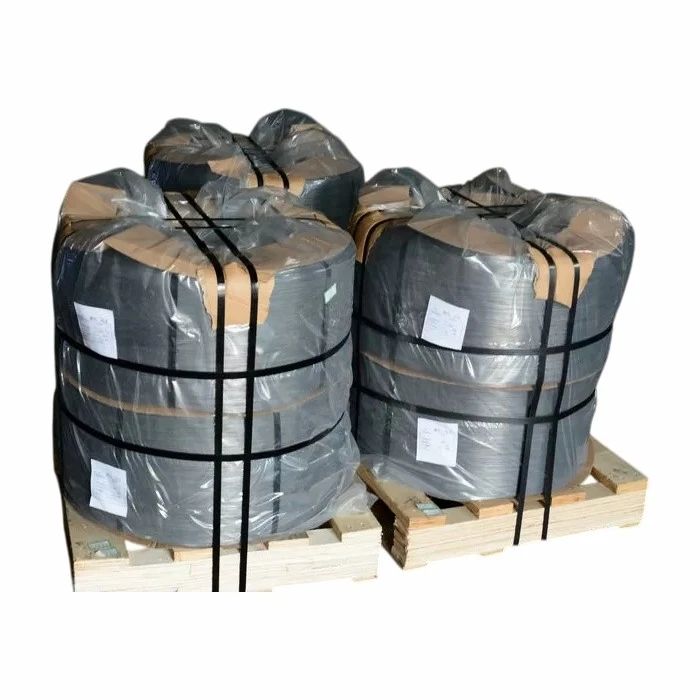
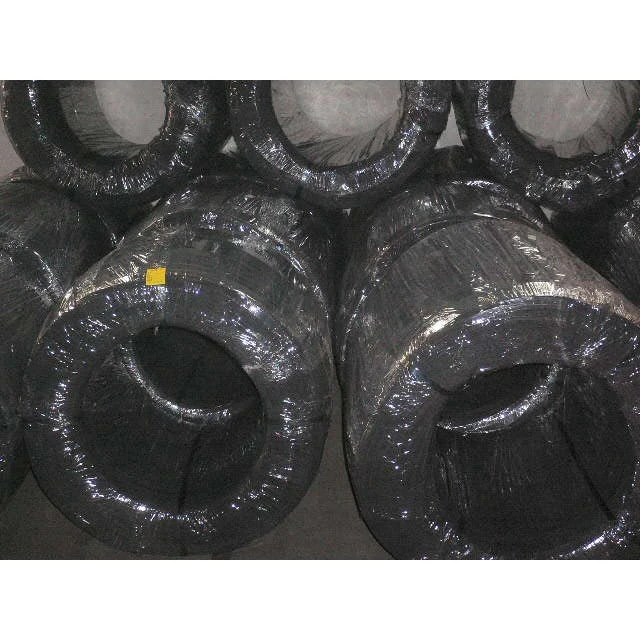
Corrosion Resistance
In electrical applications, corrosion can be a major concern as it can lead to increased resistance, short circuits, and ultimately, system failure. Cold drawn steel wire, in its raw form, is susceptible to corrosion. However, various surface treatments can be applied to improve its corrosion resistance.
One such treatment is phosphate coating. Phosphate Coating Steel Wire provides a layer of protection that helps prevent rust and corrosion. Another option is using Patented Steel Wire, which undergoes a specific heat treatment process that can enhance its corrosion resistance as well as its mechanical properties.
Mechanical Strength
The high mechanical strength of cold drawn steel wire is a significant advantage in electrical applications. In many electrical systems, wires need to be able to withstand mechanical stresses such as tension, bending, and vibration. Cold drawn steel wire can handle these stresses better than some other materials, making it suitable for applications where the wire needs to be supported over long distances or in environments with high mechanical loads.
For example, in overhead power transmission lines, the wire needs to be strong enough to support its own weight and any additional loads such as ice or wind. Cold drawn steel wire can be used as a support wire or in combination with other conductive materials to provide the necessary mechanical strength.
Specific Electrical Applications
Let's explore some specific electrical applications and evaluate the suitability of cold drawn steel wire.
Electrical Connectors
In electrical connectors, the primary requirement is good electrical conductivity. As mentioned earlier, cold drawn steel wire has relatively low conductivity compared to copper. Therefore, it is not typically used as the main conductive element in connectors. However, it can be used in the connector's housing or as a support structure to provide mechanical stability.
Transformers
Transformers require materials with high magnetic permeability and low electrical conductivity to minimize eddy current losses. Cold drawn steel wire can be used in the core of some transformers due to its magnetic properties. The high strength of the wire also allows for the construction of more compact and robust transformer cores.
Electrical Fencing
Electrical fencing is an application where cold drawn steel wire can be very effective. The main function of the wire in an electrical fence is to carry a low - voltage electrical charge to deter animals. The high mechanical strength of cold drawn steel wire ensures that the fence can withstand the impact of animals and environmental factors. Additionally, with proper surface treatment, the wire can resist corrosion over a long period.
Advantages and Disadvantages Summary
Advantages
- High Mechanical Strength: Cold drawn steel wire can withstand significant mechanical stresses, making it suitable for applications where the wire needs to support itself or other components.
- Precise Dimensions: The cold drawing process allows for the production of wires with very precise dimensions, which is important for applications with tight tolerances.
- Customizability: It can be customized through various heat treatments and surface coatings to meet specific requirements such as corrosion resistance.
Disadvantages
- Low Electrical Conductivity: Compared to copper and aluminum, the electrical conductivity of cold drawn steel wire is relatively low, which may limit its use in applications where high conductivity is essential.
- Corrosion Susceptibility: Without proper surface treatment, cold drawn steel wire is prone to corrosion, which can affect its performance in electrical applications.
Conclusion
In conclusion, cold drawn steel wire has both advantages and disadvantages when it comes to electrical applications. While its low electrical conductivity may rule it out for some high - current applications, its high mechanical strength, precise dimensions, and customizability make it a suitable choice for others.
If you are considering using cold drawn steel wire in your electrical project, it is important to carefully evaluate your specific requirements. Consider factors such as the amount of electrical current, the mechanical stresses the wire will be subjected to, and the environmental conditions.
As a supplier of Cold Drawn Steel Wire, I am committed to providing high - quality products that meet your needs. Whether you need a wire with specific mechanical properties or enhanced corrosion resistance, we can work with you to find the best solution.
If you are interested in learning more about our cold drawn steel wire products or would like to discuss a potential purchase, please do not hesitate to contact us. We are here to assist you in making the right choice for your electrical applications.
References
- ASM Handbook Volume 1: Properties and Selection: Irons, Steels, and High - Performance Alloys
- Electrical Engineering Materials: Principles and Applications by David A. Bell