

Is profile wire flexible?
Is profile wire flexible? This is a question that often comes up in the industry, especially when considering the diverse applications of profile wire. As a profile wire supplier, I've had the opportunity to work with a wide range of customers and understand their needs. In this blog post, I'll explore the flexibility of profile wire, its influencing factors, and how it impacts various industries.
Understanding Profile Wire
Profile wire refers to wire products with specific cross - sectional shapes, which are different from the standard round wire. Common types of profile wire include Round Steel Wire, Cold Rolled Flat Steel Wire Strips, and Rectangular Steel Wire. These wires are manufactured through processes such as cold rolling, drawing, and extrusion to achieve the desired cross - sectional profiles.
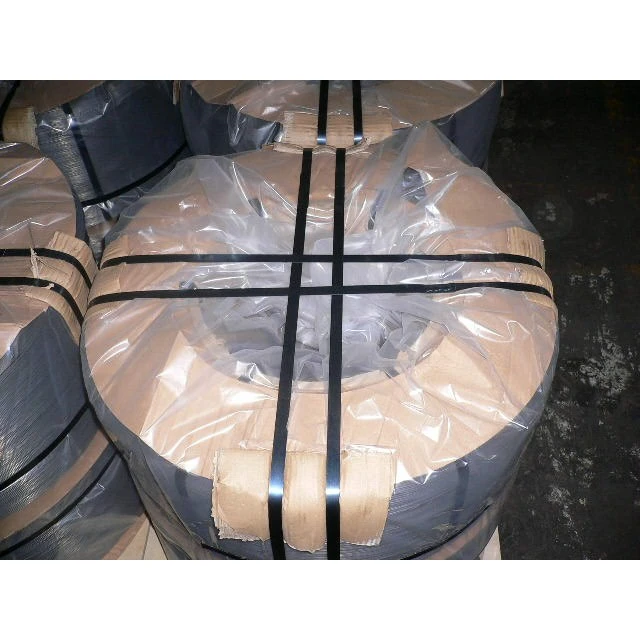

The flexibility of profile wire is a crucial property that determines its usability in different applications. Flexibility can be defined as the ability of the wire to bend or deform without breaking or losing its structural integrity. A flexible profile wire can be easily shaped into various forms, which is highly desirable in industries such as automotive, construction, and manufacturing.
Factors Affecting the Flexibility of Profile Wire
Material Composition
The material used to make the profile wire has a significant impact on its flexibility. For example, wires made from soft metals like copper or aluminum are generally more flexible than those made from high - strength steel. High - strength steel wires are often used in applications where strength is a priority, but they may sacrifice some flexibility. Alloying elements can also affect the flexibility of the wire. Adding certain elements can improve the ductility of the material, thereby increasing its flexibility.
Cross - Sectional Shape
The cross - sectional shape of the profile wire plays a vital role in determining its flexibility. Wires with a smaller cross - sectional area are usually more flexible than those with a larger area. For instance, a thin flat steel wire strip is more flexible than a thick rectangular steel wire. The shape of the cross - section also matters. A wire with a more rounded or elliptical cross - section may be more flexible than one with a sharp - edged rectangular cross - section, as sharp edges can act as stress concentration points and reduce the wire's ability to bend.
Manufacturing Process
The manufacturing process can also influence the flexibility of the profile wire. Cold rolling, for example, can increase the strength and hardness of the wire, but it may also reduce its flexibility. On the other hand, proper heat treatment after the forming process can relieve internal stresses and improve the wire's ductility, making it more flexible. Drawing the wire through a series of dies can also affect its flexibility. A well - controlled drawing process can produce a wire with uniform properties and better flexibility.
Surface Finish
The surface finish of the profile wire can affect its flexibility to some extent. A smooth surface finish reduces friction and allows the wire to bend more easily. Rough or uneven surfaces can cause stress concentrations during bending, which may lead to premature failure and reduce the wire's flexibility.
Applications of Flexible Profile Wire
Automotive Industry
In the automotive industry, flexible profile wire is used in various applications. For example, it can be used to make seat springs, which need to be flexible enough to conform to the shape of the human body while providing adequate support. Flexible wires are also used in wiring harnesses, where they can be easily routed through the complex interior of the vehicle.
Construction Industry
In construction, flexible profile wire can be used for reinforcement purposes. For instance, in concrete structures, flexible steel wires can be used to reinforce thin - walled concrete elements. They can also be used in the production of wire mesh for fencing and other applications. The flexibility of the wire allows it to be easily installed and shaped according to the requirements of the construction project.
Manufacturing Industry
The manufacturing industry benefits greatly from the use of flexible profile wire. It can be used in the production of various consumer goods, such as jewelry, where the wire needs to be shaped into intricate designs. In the production of electronic devices, flexible wires are used for internal wiring, as they can be easily bent and routed within the limited space of the device.
Advantages of Using Flexible Profile Wire
Ease of Installation
One of the main advantages of using flexible profile wire is the ease of installation. Since it can be easily bent and shaped, it can be quickly installed in various applications without the need for complex tools or processes. This can save time and labor costs during the installation process.
Design Flexibility
Flexible profile wire offers greater design flexibility. Designers can create more complex and innovative products using flexible wires, as they can be shaped into almost any form. This allows for the development of new and improved products that meet the changing needs of the market.
Cost - Effectiveness
In many cases, using flexible profile wire can be more cost - effective. The ease of installation reduces labor costs, and the ability to use less material due to the wire's flexibility can also save on material costs. Additionally, the long - term durability of flexible wires can reduce maintenance and replacement costs.
Our Offerings as a Profile Wire Supplier
As a profile wire supplier, we understand the importance of flexibility in different applications. We offer a wide range of profile wires, including Round Steel Wire, Cold Rolled Flat Steel Wire Strips, and Rectangular Steel Wire. Our wires are made from high - quality materials and are manufactured using advanced processes to ensure optimal flexibility.
We can customize the profile wire according to your specific requirements. Whether you need a wire with a particular cross - sectional shape, material composition, or surface finish, we can work with you to develop the perfect solution. Our team of experts is always available to provide technical support and advice on the selection and use of profile wire.
Contact Us for Procurement
If you are interested in our profile wire products or have any questions about the flexibility of profile wire, we encourage you to contact us for procurement discussions. We are committed to providing high - quality products and excellent customer service. Our experienced sales team will be happy to assist you in finding the right profile wire for your application.
References
- "Metals Handbook: Properties and Selection: Irons, Steels, and High - Performance Alloys", ASM International.
- "Manufacturing Engineering and Technology", Serope Kalpakjian and Steven R. Schmid.
- Industry reports on the automotive, construction, and manufacturing industries.