

What are the challenges in implementing new steel wire technology?
In the dynamic landscape of the steel wire industry, the implementation of new steel wire technology is a complex yet essential endeavor. As a dedicated steel wire technology supplier, I've witnessed firsthand the challenges that come with introducing and integrating novel techniques into existing production processes. This blog post delves into the key hurdles we face in implementing new steel wire technology and offers insights on how to navigate them.
Technological Compatibility
One of the primary challenges in implementing new steel wire technology is ensuring compatibility with existing manufacturing systems. Our production facilities are often equipped with a range of machinery and equipment that have been optimized for specific processes and materials. When introducing new technology, it's crucial to assess whether it can seamlessly integrate with our current infrastructure.
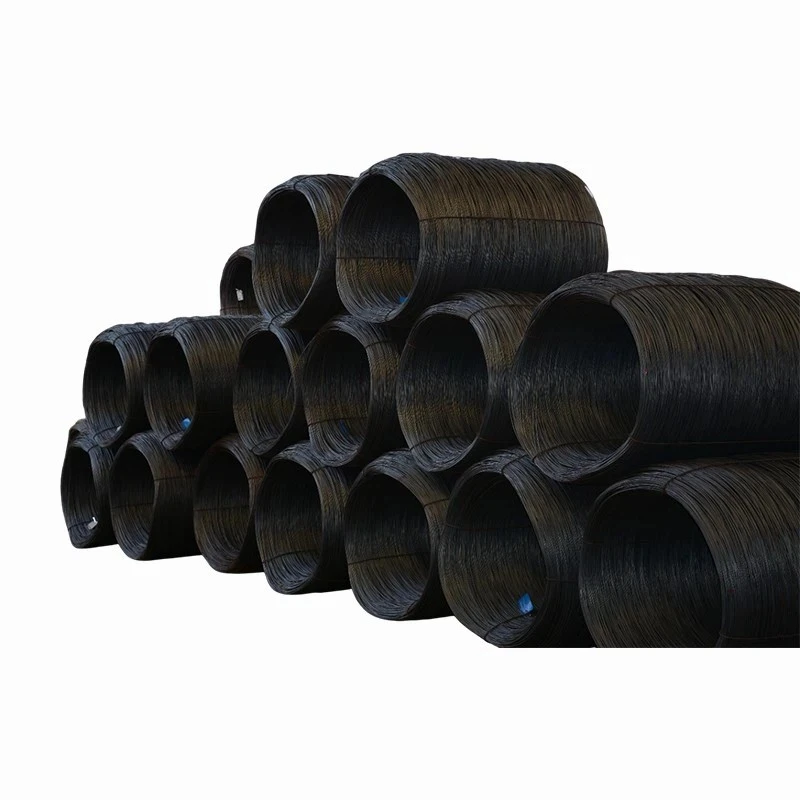
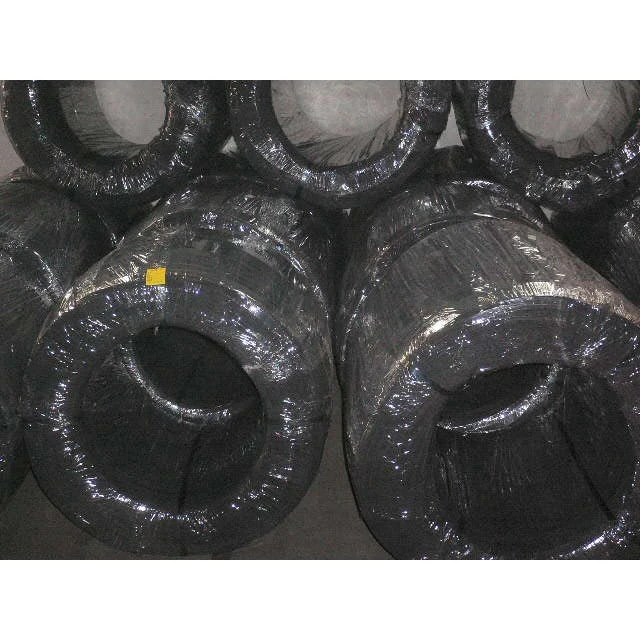
For instance, the adoption of advanced Cold Drawn Steel Wire technology requires careful consideration of the existing drawing machines, dies, and lubrication systems. Cold drawing involves reducing the diameter of the steel wire through a series of dies, which can put significant stress on the equipment. If the new technology requires higher drawing speeds or more precise control over the process, the existing machinery may need to be upgraded or modified to accommodate these changes.
Similarly, the implementation of Phosphate Coating Steel Wire technology requires compatibility with the coating equipment and processes. Phosphate coating is a surface treatment that enhances the corrosion resistance and lubricity of the steel wire. However, the new coating technology may require different chemical formulations, application methods, or curing processes, which need to be carefully integrated with the existing coating line.
To overcome these compatibility challenges, we conduct thorough feasibility studies and pilot tests before implementing new technology. We work closely with equipment manufacturers and technology providers to ensure that the new systems are designed to work seamlessly with our existing infrastructure. Additionally, we invest in employee training to ensure that our workforce is equipped with the skills and knowledge necessary to operate and maintain the new technology.
Quality Control
Maintaining consistent product quality is another significant challenge when implementing new steel wire technology. New technologies often introduce changes to the manufacturing process, which can affect the properties and performance of the steel wire. As a result, it's essential to establish robust quality control measures to ensure that the final product meets the required standards.
For example, the implementation of Black Annealed Tie Steel Wire technology involves a heat treatment process that can alter the mechanical properties of the wire. Black annealing is a process that softens the steel wire and improves its ductility, making it suitable for use in tying applications. However, the heat treatment process needs to be carefully controlled to ensure that the wire achieves the desired level of softness and ductility without compromising its strength or other properties.
To ensure product quality, we implement a comprehensive quality control system that includes in-process inspections, testing, and monitoring. We use advanced testing equipment and techniques to measure the mechanical properties, chemical composition, and surface finish of the steel wire at various stages of the manufacturing process. Additionally, we conduct regular audits and reviews of our quality control procedures to identify and address any potential issues.
Cost Management
Cost is a critical factor in the implementation of new steel wire technology. New technologies often require significant investments in equipment, research and development, and employee training. Additionally, the cost of raw materials, energy, and labor can also increase when implementing new processes or techniques. As a result, it's essential to carefully manage costs to ensure that the benefits of the new technology outweigh the expenses.
To control costs, we conduct a detailed cost-benefit analysis before implementing new technology. We evaluate the potential savings in production costs, improved product quality, and increased efficiency against the initial investment and ongoing operating expenses. Additionally, we work closely with suppliers to negotiate favorable pricing for raw materials and equipment.
We also look for opportunities to optimize our production processes and reduce waste. For example, we may implement lean manufacturing principles to streamline our operations and eliminate non-value-added activities. Additionally, we may invest in energy-efficient equipment and technologies to reduce our energy consumption and costs.
Regulatory Compliance
The steel wire industry is subject to a wide range of regulations and standards, which can pose challenges when implementing new technology. New technologies may introduce changes to the manufacturing process, materials, or product properties, which need to comply with relevant environmental, health, and safety regulations.
For example, the implementation of new coating technologies may require compliance with regulations related to the use and disposal of chemicals. Phosphate coating, for instance, involves the use of phosphoric acid and other chemicals, which need to be handled and disposed of in accordance with environmental regulations. Additionally, the new technology may need to comply with regulations related to worker safety, such as the use of personal protective equipment and the implementation of safety procedures.
To ensure regulatory compliance, we stay up-to-date with the latest regulations and standards and work closely with regulatory agencies to ensure that our operations and products meet the requirements. We also conduct regular audits and inspections to identify and address any potential compliance issues.
Market Acceptance
Finally, market acceptance is a crucial factor in the success of new steel wire technology. Even if the new technology offers significant benefits in terms of product quality, performance, or cost, it may not be adopted by the market if there is a lack of awareness or understanding of its advantages.
To promote market acceptance, we invest in marketing and education initiatives to raise awareness of the new technology and its benefits. We participate in industry trade shows and conferences to showcase our products and technologies and engage with potential customers. Additionally, we provide technical support and training to our customers to help them understand how to use the new technology effectively.
We also work closely with our customers to understand their needs and requirements and to develop customized solutions that meet their specific applications. By providing high-quality products and excellent customer service, we aim to build long-term relationships with our customers and establish ourselves as a trusted supplier of steel wire technology.
Conclusion
Implementing new steel wire technology is a challenging but rewarding endeavor. By addressing the challenges of technological compatibility, quality control, cost management, regulatory compliance, and market acceptance, we can successfully introduce and integrate new technologies into our production processes and offer our customers innovative solutions that meet their needs.
As a steel wire technology supplier, we are committed to continuous innovation and improvement. We will continue to invest in research and development to develop new and improved technologies that offer greater benefits to our customers. If you are interested in learning more about our steel wire technology or have any questions or inquiries, please feel free to contact us. We look forward to discussing how we can work together to meet your steel wire needs.