

What are the common defects in Generalstrength Steel Wire?
Hey there! As a supplier of Generalstrength Steel Wire, I've seen my fair share of issues with this type of wire. In this blog post, I'll be sharing some of the common defects you might encounter when dealing with general strength steel wire.
Surface Defects
One of the most noticeable problems with general strength steel wire is surface defects. These can range from minor scratches and abrasions to more serious issues like cracks and pits. Surface defects not only affect the appearance of the wire but can also weaken its structure, making it more prone to breakage.
Scratches and Abrasions
Scratches and abrasions are often caused during the manufacturing process, transportation, or handling. Even small scratches can act as stress concentrators, which can lead to crack initiation and propagation under load. If you notice a lot of scratches on your steel wire, it might be a sign of poor handling or a problem with the manufacturing equipment.
Cracks and Pits
Cracks and pits are more serious surface defects. Cracks can be caused by excessive stress during manufacturing or improper heat treatment. Pits, on the other hand, can result from corrosion or the presence of impurities in the steel. These defects can significantly reduce the strength and durability of the wire, and in some cases, can lead to sudden failure.
Internal Defects
Internal defects are not as visible as surface defects but can be just as problematic. These defects can occur within the body of the wire and can affect its mechanical properties.
Inclusions
Inclusions are foreign particles that are trapped within the steel during the manufacturing process. These can be non - metallic substances like oxides, sulfides, or silicates. Inclusions can act as weak points in the wire, reducing its ductility and toughness. They can also cause stress concentrations, which can lead to crack formation.
Porosity
Porosity refers to the presence of small voids or holes within the steel wire. This can be caused by gas entrapment during the casting process or improper solidification. Porous areas in the wire are weaker and more likely to fail under stress. Additionally, porosity can make the wire more susceptible to corrosion.
Strength - Related Defects
General strength steel wire is designed to meet certain strength requirements. However, sometimes the wire may not meet these standards, leading to strength - related defects.
Low Tensile Strength
Low tensile strength is a common issue. This can be due to a variety of factors, such as improper chemical composition, incorrect heat treatment, or problems with the rolling process. If the wire has low tensile strength, it may not be able to withstand the loads it is designed for, which can lead to premature failure. You can check out Low Strength Steel Wire for more information on wires with lower strength levels.
Uneven Strength Distribution
Another strength - related defect is uneven strength distribution within the wire. This can occur when the heat treatment or manufacturing process is not uniform. As a result, some parts of the wire may be stronger than others, which can cause uneven stress distribution and increase the risk of failure.
Ductility and Malleability Defects
Ductility and malleability are important properties of steel wire, especially when it comes to forming and shaping the wire into different products.
Lack of Ductility
If the steel wire lacks ductility, it will be difficult to bend or shape without breaking. This can be a major problem in applications where the wire needs to be formed into specific shapes. Lack of ductility can be caused by improper heat treatment, high levels of impurities, or an incorrect chemical composition.
Poor Malleability
Similar to ductility, poor malleability means that the wire cannot be easily hammered or rolled into thin sheets or other forms. This can limit the wire's usability in certain manufacturing processes.
Corrosion - Related Defects
Corrosion is a major concern for steel wire, especially in environments where it is exposed to moisture, chemicals, or salt.
Rusting
Rusting is the most common form of corrosion in steel wire. It occurs when the iron in the steel reacts with oxygen and water to form iron oxide. Rust not only weakens the wire but also affects its appearance. To prevent rusting, the wire can be coated with protective materials such as zinc or paint.
Pitting Corrosion
Pitting corrosion is a more localized form of corrosion. It appears as small pits or holes on the surface of the wire. Pitting corrosion can be very dangerous because it can penetrate deep into the wire, weakening its structure from the inside.
How to Deal with These Defects
As a supplier, I understand how frustrating it can be to deal with these defects. But there are steps you can take to minimize their impact.
Quality Control
Implementing strict quality control measures during the manufacturing process is crucial. This includes testing the chemical composition of the steel, inspecting the wire for surface and internal defects, and ensuring that the heat treatment and other manufacturing processes are carried out correctly.
Proper Storage and Handling
Proper storage and handling can also prevent many of these defects. Store the wire in a dry, clean environment to prevent corrosion. When handling the wire, be careful to avoid scratches and other physical damage.
Conclusion
In conclusion, general strength steel wire can have a variety of defects, including surface defects, internal defects, strength - related defects, ductility and malleability defects, and corrosion - related defects. As a supplier, I'm committed to providing high - quality wire and helping my customers deal with any issues that may arise. If you're in the market for Generalstrength Steel Wire and want to learn more about its properties and how to avoid these defects, feel free to reach out. We can have a chat about your specific needs and see if our products are the right fit for you. You can also explore High Strength Steel Wire if you have requirements for stronger wire.
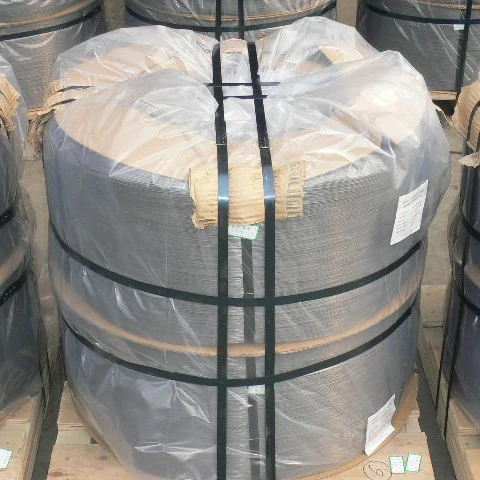

If you're interested in purchasing general strength steel wire or have any questions about the defects I've discussed, don't hesitate to get in touch. We're here to help you find the best solution for your project.
References
- ASM Handbook Committee. (2004). ASM Handbook, Volume 1: Properties and Selection: Irons, Steels, and High - Performance Alloys. ASM International.
- Degarmo, E. P., Black, J. T., & Kohser, R. A. (2003). Materials and Processes in Manufacturing. Wiley.