

What are the different grades of alloy steel wire?
Alloy steel wire is a versatile and essential material used in various industries, from construction and automotive to aerospace and manufacturing. As a leading supplier of Alloy Steel Wire, I understand the importance of providing high-quality products that meet the diverse needs of our customers. In this blog post, I will explore the different grades of alloy steel wire, their properties, and applications, helping you make informed decisions when selecting the right wire for your projects.
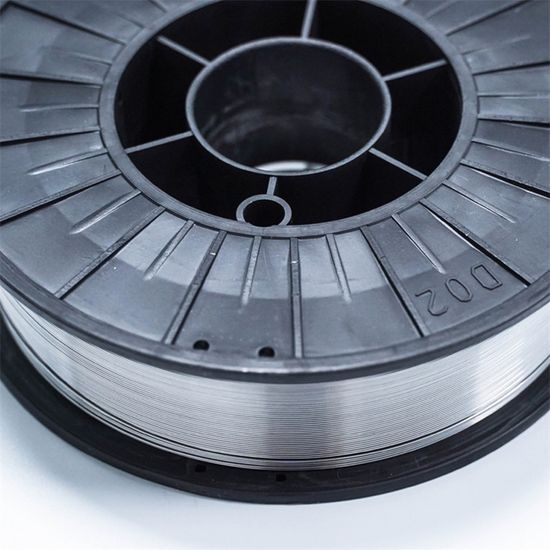
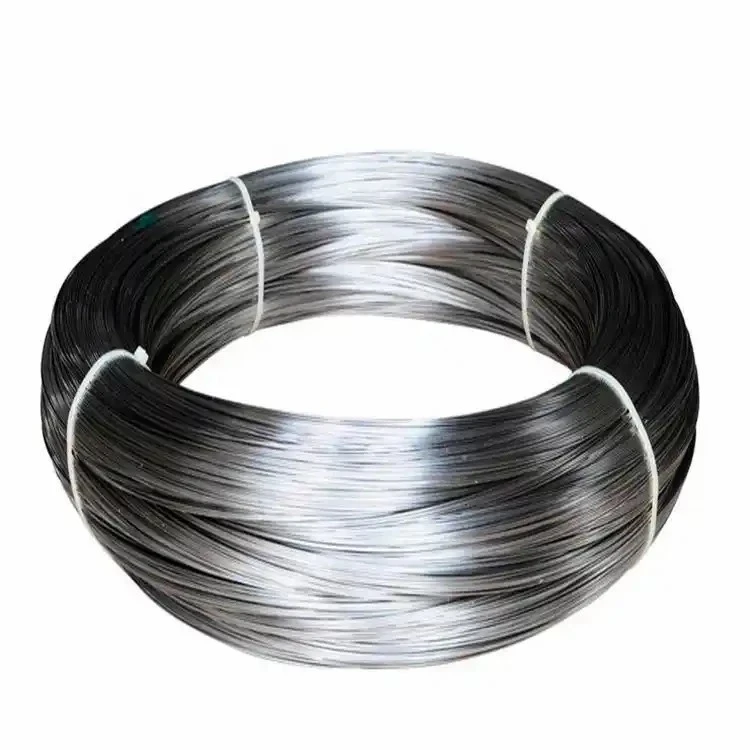
Understanding Alloy Steel Wire
Alloy steel wire is a type of steel wire that contains various alloying elements in addition to iron and carbon. These alloying elements, such as chromium, nickel, manganese, and molybdenum, are added to enhance the wire's mechanical properties, including strength, hardness, corrosion resistance, and heat resistance. The specific composition and proportion of these alloying elements determine the grade and characteristics of the alloy steel wire.
Different Grades of Alloy Steel Wire
There are numerous grades of alloy steel wire available in the market, each with its unique properties and applications. Here are some of the most common grades and their key features:
1. Chromium-Vanadium (Cr-V) Alloy Steel Wire
- Properties: Chromium-vanadium alloy steel wire is known for its high strength, toughness, and excellent fatigue resistance. It has good ductility, allowing it to be easily formed and shaped without breaking. The addition of chromium provides corrosion resistance, while vanadium enhances the wire's hardenability and wear resistance.
- Applications: Cr-V alloy steel wire is widely used in applications that require high strength and durability, such as springs, fasteners, automotive components, and hand tools. It is also suitable for use in high-stress environments where fatigue resistance is crucial.
2. Nickel-Chromium (Ni-Cr) Alloy Steel Wire
- Properties: Nickel-chromium alloy steel wire offers excellent corrosion resistance, high-temperature strength, and good oxidation resistance. It has a high melting point and can maintain its mechanical properties at elevated temperatures. The addition of nickel improves the wire's toughness and ductility, while chromium enhances its corrosion resistance.
- Applications: Ni-Cr alloy steel wire is commonly used in applications where corrosion resistance and high-temperature performance are required, such as in the aerospace, chemical processing, and power generation industries. It is also used in the manufacturing of heating elements, electrical resistors, and furnace components.
3. Manganese Steel Wire
- Properties: Manganese steel wire is characterized by its high strength, hardness, and excellent wear resistance. It has good ductility and can be easily cold-worked to increase its strength. The addition of manganese improves the wire's hardenability and toughness, making it suitable for use in high-stress applications.
- Applications: Manganese steel wire is widely used in the mining, construction, and agricultural industries for applications such as conveyor belts, wire ropes, and wear-resistant components. It is also used in the manufacturing of springs, fasteners, and automotive parts.
4. Stainless Steel Wire
- Properties: Stainless steel wire is a type of alloy steel wire that contains a minimum of 10.5% chromium, which provides excellent corrosion resistance. It also has good strength, ductility, and heat resistance. There are several grades of stainless steel wire available, each with its specific composition and properties.
- Applications: Stainless steel wire is used in a wide range of applications, including food processing, medical equipment, architecture, and marine environments. It is also commonly used in the manufacturing of springs, fasteners, wire mesh, and cable assemblies. Cold Drawn Stainless Steel Wire is a popular choice for applications that require high precision and a smooth surface finish.
5. Tool Steel Wire
- Properties: Tool steel wire is designed for use in the manufacturing of cutting tools, dies, and molds. It has high hardness, wear resistance, and heat resistance, allowing it to withstand the high stresses and temperatures generated during machining operations. Tool steel wire can be heat-treated to achieve the desired hardness and properties.
- Applications: Tool steel wire is used in the automotive, aerospace, and manufacturing industries for applications such as machining, forging, and stamping. It is also used in the production of hand tools, such as drills, taps, and reamers.
Factors to Consider When Selecting Alloy Steel Wire
When selecting alloy steel wire for your project, several factors need to be considered to ensure that you choose the right grade and specifications. Here are some key factors to keep in mind:
1. Mechanical Properties
- Strength: The strength of the alloy steel wire is an important consideration, especially in applications where high loads or stresses are involved. Different grades of alloy steel wire have varying levels of strength, so it is essential to choose a wire that can withstand the expected loads.
- Hardness: The hardness of the wire affects its wear resistance and ability to hold a sharp edge. In applications where wear resistance is crucial, such as in cutting tools or wear-resistant components, a harder wire may be required.
- Toughness: Toughness is the ability of the wire to absorb energy and resist fracture. It is important in applications where the wire may be subjected to impact or shock loads. A wire with high toughness is less likely to break or crack under these conditions.
2. Corrosion Resistance
- Environment: Consider the environment in which the wire will be used. If the wire will be exposed to corrosive substances, such as chemicals, saltwater, or moisture, a wire with high corrosion resistance, such as stainless steel wire, may be necessary.
- Coating: In some cases, a coating can be applied to the wire to enhance its corrosion resistance. Common coatings include zinc plating, galvanizing, and epoxy coatings.
3. Temperature Resistance
- Operating Temperature: If the wire will be used in high-temperature applications, it is important to choose a wire that can maintain its mechanical properties at elevated temperatures. Some grades of alloy steel wire, such as Ni-Cr alloy steel wire, are specifically designed for use in high-temperature environments.
4. Size and Shape
- Diameter: The diameter of the wire is an important consideration, as it affects the wire's strength, flexibility, and application. Choose a wire diameter that is appropriate for your specific needs.
- Shape: Alloy steel wire is available in various shapes, including round, square, rectangular, and hexagonal. The shape of the wire can affect its performance and suitability for different applications.
Conclusion
As a supplier of Alloy Steel Wire, I am committed to providing our customers with high-quality products that meet their specific requirements. By understanding the different grades of alloy steel wire, their properties, and applications, you can make informed decisions when selecting the right wire for your projects. Whether you need a wire with high strength, corrosion resistance, or high-temperature performance, we have the expertise and resources to help you find the perfect solution.
If you have any questions or need assistance in selecting the right alloy steel wire for your application, please do not hesitate to contact us. Our team of experts is ready to provide you with personalized advice and support. We look forward to working with you and helping you achieve your project goals.
References
- ASM Handbook, Volume 1: Properties and Selection: Irons, Steels, and High-Performance Alloys
- Metals Handbook Desk Edition, Third Edition
- ASTM International Standards for Alloy Steel Wire