

What are the effects of pretreatment on traditional phosphating?
As a supplier of traditional phosphating products, I've witnessed firsthand the critical role pretreatment plays in the phosphating process. Traditional phosphating is a well - established surface treatment method that has been used for decades to enhance the corrosion resistance, paint adhesion, and lubricity of metal surfaces. However, the effectiveness of traditional phosphating is significantly influenced by the pretreatment steps. In this blog, I'll delve into the various effects of pretreatment on traditional phosphating.
1. Surface Cleaning and Degreasing
One of the primary pretreatment steps is surface cleaning and degreasing. Metals, especially those from manufacturing processes, often have contaminants such as oils, greases, dirt, and metal chips on their surfaces. These contaminants can act as barriers, preventing the phosphating solution from coming into direct contact with the metal surface.
If the metal surface is not properly cleaned, the phosphating layer may not form uniformly. For example, areas covered with grease will have a weak or non - existent phosphate coating. This uneven coating can lead to reduced corrosion resistance. A well - cleaned surface, on the other hand, allows the phosphating solution to react evenly with the metal, forming a dense and uniform phosphate layer.
We offer a range of high - quality Cold - drawn Steel Phosphatizing Agents that work best when the metal surface is thoroughly cleaned. These agents are designed to react with the clean metal surface to form a protective phosphate coating that enhances the performance of cold - drawn steel components.
2. Rust and Scale Removal
Rust and scale on the metal surface can also impede the phosphating process. Rust is an oxide layer that can prevent the proper formation of the phosphate coating. It may flake off over time, taking the phosphate coating with it and exposing the metal to corrosion. Scale, which is often formed during high - temperature processes, can be hard and dense, making it difficult for the phosphating solution to penetrate.
Pretreatment methods such as pickling are commonly used to remove rust and scale. Pickling involves immersing the metal in an acidic solution that dissolves the rust and scale. After pickling, the metal surface is left clean and ready for phosphating. This ensures that the phosphate coating adheres firmly to the metal substrate.
Our Phosphatizing Agents for Continuous Line are suitable for applications where a continuous and efficient phosphating process is required. When the metal surface is free from rust and scale due to proper pretreatment, these agents can form a consistent and high - quality phosphate coating on the metal surface.
3. Surface Activation
Surface activation is another important aspect of pretreatment. Some metals have a passive oxide layer on their surface that can inhibit the reaction between the metal and the phosphating solution. Activation steps are used to remove or modify this passive layer, making the metal surface more reactive.
For example, in the case of aluminum, a thin oxide layer forms quickly on its surface when exposed to air. This oxide layer can prevent the formation of a proper phosphate coating. By using an activation solution, the oxide layer can be removed or made more porous, allowing the phosphating solution to react with the underlying aluminum.
Our Immersion Line Phosphatizing Agents are formulated to work effectively on activated metal surfaces. When the metal is properly activated during pretreatment, these agents can form a strong and durable phosphate coating through the immersion process.
4. Impact on Coating Adhesion
Pretreatment has a direct impact on the adhesion of the phosphate coating to the metal surface. A well - pretreated surface provides a better foundation for the phosphate coating. The removal of contaminants, rust, and scale, as well as surface activation, all contribute to a stronger bond between the coating and the metal.
Good coating adhesion is crucial for the long - term performance of the phosphated metal. If the coating does not adhere well, it can peel or flake off, exposing the metal to corrosion. This can lead to premature failure of the metal component, especially in harsh environments.
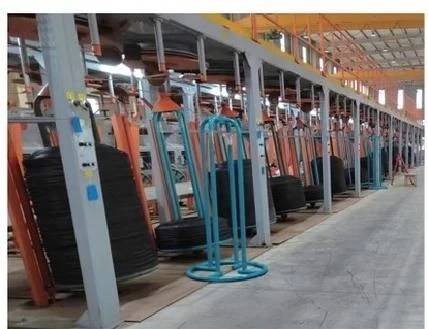
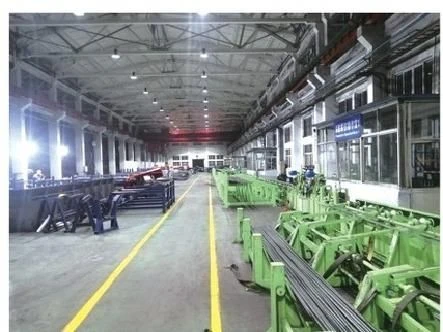
In automotive applications, for example, where metal components are exposed to various weather conditions and mechanical stresses, a well - adhered phosphate coating is essential. Pretreatment ensures that the phosphate coating can withstand these conditions and provide long - lasting protection.
5. Influence on Coating Thickness and Uniformity
The pretreatment process can also affect the thickness and uniformity of the phosphate coating. As mentioned earlier, a clean and activated surface allows the phosphating solution to react evenly with the metal. This results in a more uniform coating thickness across the entire metal surface.
If the pretreatment is inadequate, the coating may be thicker in some areas and thinner in others. Non - uniform coating thickness can lead to inconsistent performance. For example, thinner areas of the coating may provide less corrosion protection, while thicker areas may be more brittle and prone to cracking.
Proper pretreatment steps, such as thorough cleaning, rust removal, and surface activation, help to ensure that the phosphate coating has a consistent thickness and uniform structure. This is important for applications where precise coating properties are required, such as in the electronics and aerospace industries.
6. Cost - Efficiency
Although pretreatment adds an additional step to the phosphating process, it can actually improve cost - efficiency in the long run. A well - pretreated metal surface requires less phosphating solution to form a high - quality coating. This is because the reaction between the phosphating solution and the metal is more efficient on a clean and activated surface.
In addition, a properly phosphated metal component with good coating adhesion and uniformity has a longer service life. This reduces the need for frequent replacement of components, saving both time and money. By investing in proper pretreatment, manufacturers can achieve better results with less waste, making the overall phosphating process more cost - effective.
Conclusion
In conclusion, pretreatment is a crucial step in the traditional phosphating process. It has far - reaching effects on the quality, performance, and cost - efficiency of the phosphated metal. From surface cleaning and rust removal to surface activation, each pretreatment step plays a vital role in ensuring the formation of a high - quality phosphate coating.
As a supplier of traditional phosphating products, we understand the importance of pretreatment and offer a range of phosphating agents that are designed to work effectively with properly pretreated metal surfaces. If you are in the market for high - quality phosphating agents and want to achieve the best results in your phosphating process, we encourage you to contact us for a detailed discussion. We can provide you with the right solutions tailored to your specific needs. Whether you are dealing with cold - drawn steel, continuous - line operations, or immersion - line applications, our products can help you achieve excellent phosphating results.
References
- Piron, D. L. (1999). Electroplating for the Surface Finisher. Electrochemical Publications Limited.
- Schlesinger, M., & Paunovic, M. (2010). Modern Electroplating. John Wiley & Sons.
- Sargent, R. A. (1976). Metal Finishing: A Practical Guide to Modern Metal Finishing Practice. Newnes - Butterworth.