

What are the environmental impacts of producing oil tempered steel wire?
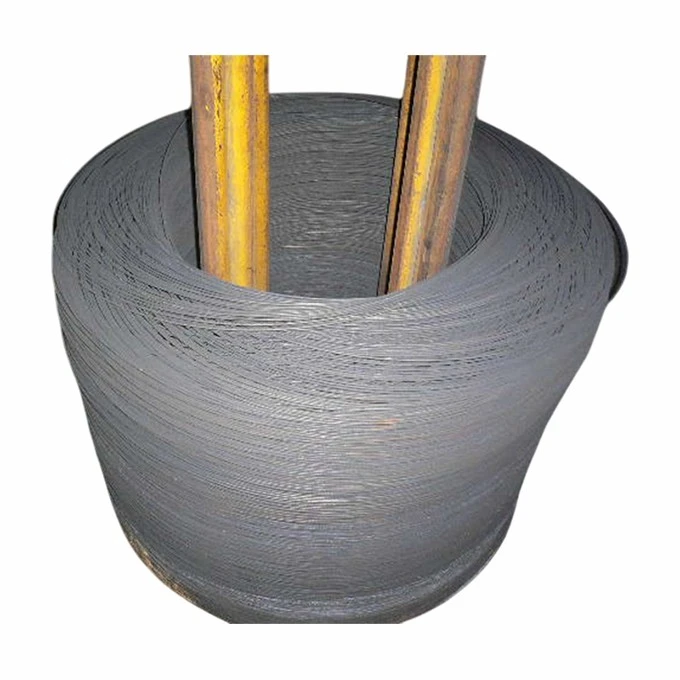
The production of oil tempered steel wire, a product that my company supplies, has significant environmental impacts that are crucial to understand. This blog post aims to delve into these impacts, providing an in - depth analysis of how the manufacturing process of oil tempered steel wire affects the environment.
Energy Consumption
One of the most prominent environmental impacts of producing oil tempered steel wire is the high energy consumption. The process of making steel wire involves multiple energy - intensive steps. First, the raw materials, mainly iron ore and coal, need to be mined. Mining operations require large amounts of energy for extraction, transportation, and processing. Once the raw materials are obtained, they are melted in blast furnaces at extremely high temperatures. These furnaces are powered by fossil fuels, which not only consume a vast amount of energy but also release large quantities of greenhouse gases into the atmosphere.
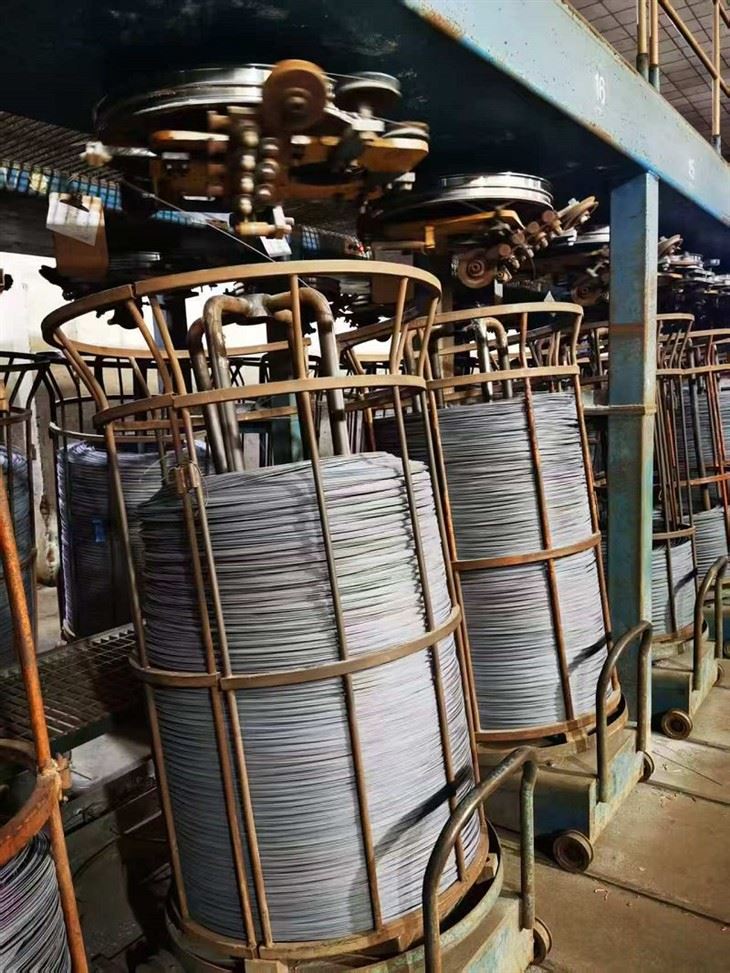
After the steel is melted, it goes through a series of rolling and drawing processes to achieve the desired wire diameter. These mechanical processes also demand a substantial amount of electrical energy. For instance, the machinery used in rolling mills and wire - drawing machines requires continuous power to operate. As a supplier of Oil Tempered Steel Wire, we are well - aware that this high energy consumption contributes to the overall carbon footprint of the product.
Greenhouse Gas Emissions
The energy consumption in the production of oil tempered steel wire directly leads to significant greenhouse gas emissions. The burning of fossil fuels in blast furnaces releases carbon dioxide (CO₂), a major greenhouse gas responsible for global warming. In addition to CO₂, other pollutants such as sulfur dioxide (SO₂) and nitrogen oxides (NOₓ) are also emitted during the steel - making process. These pollutants can cause acid rain, which has detrimental effects on forests, lakes, and soil quality.
Moreover, the oil tempering process itself can emit greenhouse gases. During tempering, the steel wire is heated and then quenched in oil. The heating process often uses natural gas or other fossil fuels, further adding to the CO₂ emissions. As an industry, we need to find ways to reduce these emissions to mitigate the environmental impact. This could involve investing in cleaner energy sources, such as solar or wind power, to power the manufacturing facilities.
Water Pollution
Water is an essential resource in the production of oil tempered steel wire. It is used for cooling during various stages of the manufacturing process, including the quenching step in oil tempering. However, this water can become contaminated with various pollutants. The cooling water may pick up heavy metals such as lead, mercury, and cadmium from the steel wire. These heavy metals are highly toxic and can have severe health effects on humans and wildlife if they enter the water supply.
In addition to heavy metals, the water may also be contaminated with oil and grease from the tempering process. Oil spills in the cooling water systems can lead to the formation of oil slicks, which can block sunlight from reaching aquatic plants and disrupt the ecological balance of water bodies. As a responsible Oil Tempered Steel Wire supplier, we have implemented water treatment systems to remove these contaminants before discharging the water back into the environment.
Solid Waste Generation
The production of oil tempered steel wire generates a significant amount of solid waste. During the rolling and drawing processes, there are often scrap pieces of steel wire that are discarded. These scrap pieces can be recycled, but in some cases, they end up in landfills. Additionally, the oil used in the tempering process eventually becomes contaminated and needs to be replaced. The used oil is considered hazardous waste and requires proper disposal.
The phosphate coating process, which is sometimes used in the production of steel wire, also generates solid waste. Phosphate Coating Steel Wire involves the use of phosphate chemicals, and the by - products of this process can be difficult to manage. These solid wastes can take up valuable landfill space and may pose environmental risks if not properly handled.
Air Pollution
Apart from greenhouse gas emissions, the production of oil tempered steel wire can also cause other forms of air pollution. The dust generated during the mining and processing of raw materials can be a major health hazard. Fine particulate matter (PM₂.₅ and PM₁₀) can be inhaled into the lungs, causing respiratory problems such as asthma and lung cancer.
The oil tempering process can also release volatile organic compounds (VOCs) into the air. VOCs are harmful chemicals that can react with sunlight and other pollutants to form ground - level ozone, a major component of smog. Smog can reduce visibility, damage crops, and have adverse effects on human health. As a supplier, we are committed to implementing air pollution control measures, such as installing dust collectors and VOC abatement systems, to minimize the impact on the environment and human health.
Mitigation Strategies
Despite the significant environmental impacts, there are several strategies that can be employed to reduce the negative effects of producing oil tempered steel wire. One approach is to improve energy efficiency in the manufacturing process. This can be achieved by upgrading the machinery to more energy - efficient models, optimizing the production process to reduce energy waste, and implementing energy management systems.
Recycling is another important strategy. By recycling scrap steel wire and used oil, we can reduce the demand for raw materials and minimize the amount of waste sent to landfills. Additionally, investing in research and development to find alternative materials or manufacturing processes that are more environmentally friendly can also have a positive impact.
Conclusion
The production of oil tempered steel wire has a range of environmental impacts, including high energy consumption, greenhouse gas emissions, water pollution, solid waste generation, and air pollution. As a Oil Tempered Steel Wire supplier, we recognize the importance of addressing these issues. We are constantly working on implementing mitigation strategies to reduce our environmental footprint.
If you are interested in purchasing high - quality oil tempered steel wire, we invite you to contact us for a detailed discussion. We can provide you with more information about our products and our commitment to sustainable manufacturing. Let's work together to balance the need for quality steel wire products with environmental protection.
References
- "Steel Industry and the Environment: A Global Perspective", World Steel Association.
- "Environmental Impact Assessment of Metal Manufacturing Processes", Journal of Environmental Science and Technology.
- "Sustainable Practices in the Steel Wire Industry", International Journal of Sustainable Manufacturing.