

What are the environmental storage conditions for cold drawn spring wire rods?
As a supplier of Cold Drawn Spring Wire Rods, I understand the critical importance of environmental storage conditions in maintaining the quality and performance of our products. Cold drawn spring wire rods are widely used in various industries, including automotive, aerospace, and manufacturing, where precision and reliability are paramount. In this blog post, I will delve into the key environmental factors that need to be considered when storing cold drawn spring wire rods and provide practical tips to ensure optimal storage conditions.
Temperature
Temperature is one of the most crucial environmental factors that can significantly impact the properties of cold drawn spring wire rods. Extreme temperatures can cause the wire rods to expand or contract, leading to dimensional changes and potential damage. Therefore, it is essential to store the wire rods in a temperature-controlled environment.
The ideal temperature range for storing cold drawn spring wire rods is between 10°C and 30°C (50°F and 86°F). This temperature range helps to maintain the stability of the wire rods and prevents any significant changes in their mechanical properties. Avoid storing the wire rods in areas that are exposed to direct sunlight or extreme heat sources, such as near furnaces or heaters. Similarly, avoid storing the wire rods in cold environments, such as unheated warehouses or outdoor storage areas during winter.
Humidity
Humidity is another important environmental factor that can affect the quality of cold drawn spring wire rods. High humidity levels can cause the wire rods to rust and corrode, which can compromise their strength and durability. Therefore, it is crucial to store the wire rods in a dry environment with low humidity levels.
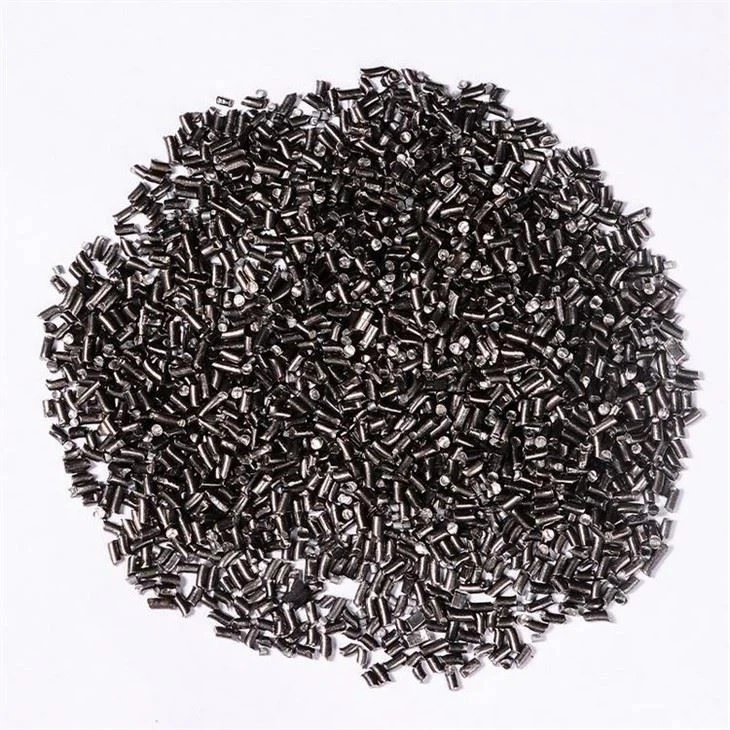

The recommended humidity level for storing cold drawn spring wire rods is below 60%. To achieve this, you can use dehumidifiers in the storage area to remove excess moisture from the air. Additionally, ensure that the storage area is well-ventilated to prevent the buildup of humidity. Avoid storing the wire rods in areas that are prone to moisture, such as basements or near water sources.
Ventilation
Proper ventilation is essential for maintaining the quality of cold drawn spring wire rods. Good ventilation helps to remove any moisture, fumes, or contaminants from the storage area, which can prevent the wire rods from rusting and corroding.
Ensure that the storage area has adequate ventilation by installing vents or fans. This will help to circulate the air and prevent the buildup of humidity and other harmful substances. Additionally, avoid storing the wire rods in areas that are poorly ventilated, such as closed cabinets or storage containers.
Protection from Physical Damage
Cold drawn spring wire rods are susceptible to physical damage, such as scratches, dents, and bends, which can affect their performance. Therefore, it is important to store the wire rods in a way that protects them from physical damage.
Use appropriate storage racks or shelves to store the wire rods. These should be designed to support the weight of the wire rods and prevent them from coming into contact with each other or other objects. Additionally, ensure that the storage area is clean and free of any debris or sharp objects that could cause damage to the wire rods.
Protection from Chemicals
Cold drawn spring wire rods can be damaged by exposure to chemicals, such as acids, alkalis, and solvents. Therefore, it is important to store the wire rods in a way that protects them from chemical exposure.
Avoid storing the wire rods in areas where they may come into contact with chemicals, such as near chemical storage areas or in areas where chemical cleaning agents are used. If the wire rods need to be cleaned, use only mild detergents and water, and ensure that they are thoroughly dried before storing them.
Additional Tips for Storage
- Labeling: Clearly label the storage racks or shelves with the type and size of the wire rods to make it easier to locate and identify them.
- Inventory Management: Regularly check the inventory of the wire rods to ensure that they are in good condition and to identify any potential issues.
- Inspection: Conduct regular inspections of the wire rods to check for any signs of damage, rust, or corrosion. If any issues are found, take appropriate action immediately.
- Rotation: Rotate the stock of the wire rods regularly to ensure that the oldest stock is used first. This helps to prevent the wire rods from sitting in storage for too long and reduces the risk of damage.
Conclusion
In conclusion, proper environmental storage conditions are essential for maintaining the quality and performance of cold drawn spring wire rods. By controlling the temperature, humidity, ventilation, and protecting the wire rods from physical damage and chemical exposure, you can ensure that they remain in good condition and meet the required specifications. As a supplier of Cold Drawn Spring Wire Rods, we are committed to providing our customers with high-quality products and ensuring that they are stored and handled properly. If you have any questions or need further information about the environmental storage conditions for cold drawn spring wire rods, please do not hesitate to [contact us for procurement and negotiation].
References
- ASTM International. (Year). Standard Specification for Steel Wire, Cold-Drawn, for Springs. ASTM A228/A228M.
- ISO (International Organization for Standardization). (Year). ISO [Standard Number]: Cold Drawn Spring Steel Wire - Technical Delivery Conditions.
- Manufacturer's Guidelines for Cold Drawn Spring Wire Rods. [Manufacturer Name].