

What are the factors affecting the toughness of alloy steel wire?
As a seasoned supplier of Alloy Steel Wire, I've witnessed firsthand the critical role that toughness plays in the performance of this versatile material. Alloy steel wire is used in a wide range of applications, from automotive components to construction projects, where its ability to withstand stress and deformation is paramount. In this blog post, I'll explore the various factors that affect the toughness of alloy steel wire, drawing on my years of experience in the industry.
Chemical Composition
The chemical composition of alloy steel wire is one of the most significant factors influencing its toughness. Alloying elements are added to steel to enhance its mechanical properties, including toughness. Common alloying elements include chromium, nickel, molybdenum, and vanadium, each of which contributes to the wire's strength and ductility in different ways.
Chromium, for example, improves the wire's corrosion resistance and hardenability, which can enhance its toughness. Nickel, on the other hand, increases the wire's ductility and impact resistance, making it more resistant to cracking under stress. Molybdenum is often added to improve the wire's strength and toughness at high temperatures, while vanadium can refine the grain structure of the steel, leading to improved toughness and fatigue resistance.
The carbon content of the alloy steel wire also plays a crucial role in its toughness. Generally, higher carbon content results in increased strength but decreased ductility and toughness. Therefore, finding the right balance of carbon and other alloying elements is essential to achieving the desired toughness for a specific application.
Heat Treatment
Heat treatment is another critical factor that can significantly affect the toughness of alloy steel wire. The process involves heating the wire to a specific temperature and then cooling it at a controlled rate to alter its microstructure and mechanical properties. There are several heat treatment methods commonly used for alloy steel wire, including annealing, quenching, and tempering.
Annealing is a heat treatment process that involves heating the wire to a high temperature and then slowly cooling it to relieve internal stresses and improve its ductility and toughness. This process is often used to prepare the wire for further processing, such as cold drawing or machining.
Quenching is a rapid cooling process that involves immersing the heated wire in a quenching medium, such as water or oil, to harden the steel. While quenching can increase the wire's strength, it can also make it brittle and reduce its toughness. Therefore, quenching is often followed by tempering to improve the wire's toughness and ductility.
Tempering is a heat treatment process that involves reheating the quenched wire to a lower temperature and then cooling it slowly. This process helps to relieve internal stresses and reduce the brittleness of the steel, resulting in improved toughness and ductility. The tempering temperature and time are carefully controlled to achieve the desired balance of strength and toughness.
Cold Drawing
Cold drawing is a process used to reduce the diameter of the alloy steel wire and improve its surface finish and mechanical properties. During cold drawing, the wire is pulled through a series of dies, which gradually reduce its diameter and increase its length. This process can significantly affect the toughness of the wire.
Cold drawing can increase the wire's strength and hardness by aligning the grain structure of the steel and introducing strain hardening. However, excessive cold drawing can also lead to a reduction in ductility and toughness, as the wire becomes more brittle. Therefore, it's essential to control the amount of cold drawing and the reduction ratio to ensure that the wire maintains its toughness.
Microstructure
The microstructure of alloy steel wire has a direct impact on its toughness. The microstructure refers to the arrangement of the grains and phases within the steel, which can be influenced by factors such as chemical composition, heat treatment, and cold drawing.
A fine-grained microstructure generally results in improved toughness, as the smaller grains can better resist the propagation of cracks. Heat treatment processes, such as annealing and tempering, can be used to refine the grain structure of the steel and improve its toughness. Additionally, the presence of certain phases, such as ferrite and bainite, can also contribute to the wire's toughness.
Surface Quality
The surface quality of alloy steel wire can also affect its toughness. Surface defects, such as cracks, scratches, and inclusions, can act as stress concentrators, increasing the likelihood of crack initiation and propagation under stress. Therefore, maintaining a high surface quality is essential to ensuring the toughness of the wire.
During the manufacturing process, various measures are taken to ensure the surface quality of the wire. This includes using high-quality raw materials, proper cleaning and descaling, and careful handling to prevent damage to the surface. Additionally, surface treatments, such as coating or plating, can be applied to protect the wire from corrosion and improve its surface properties.
Environmental Factors
Environmental factors can also have an impact on the toughness of alloy steel wire. Exposure to corrosive environments, such as saltwater or acidic solutions, can cause corrosion and reduce the wire's cross-sectional area, leading to a decrease in strength and toughness. Additionally, high temperatures and high humidity can also affect the wire's mechanical properties over time.
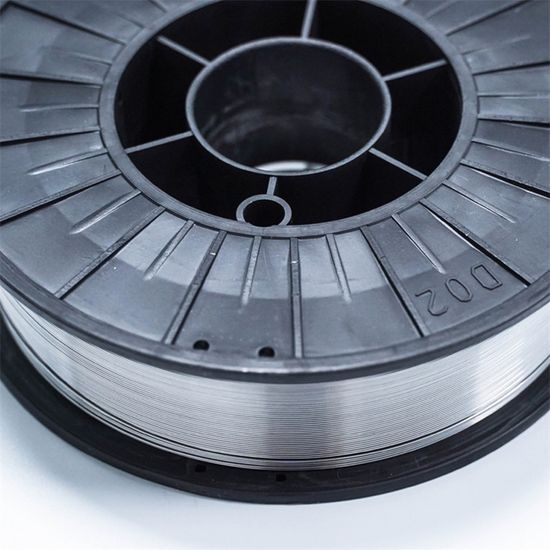
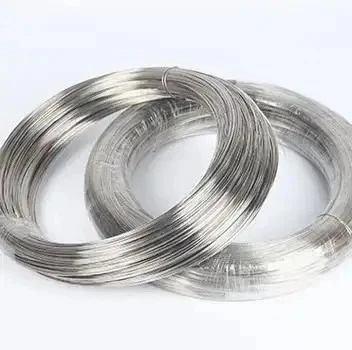
To mitigate the effects of environmental factors, appropriate protective measures can be taken. This may include using corrosion-resistant coatings or alloys, and storing the wire in a dry and controlled environment.
Application-Specific Requirements
Finally, the specific requirements of the application in which the alloy steel wire is used can also influence the importance of toughness. For example, in applications where the wire is subjected to high-impact loads, such as in automotive suspension systems or mining equipment, high toughness is essential to prevent premature failure. On the other hand, in applications where the wire is primarily used for its strength, such as in structural components, the focus may be more on achieving the required strength while maintaining an acceptable level of toughness.
As a supplier of Alloy Steel Wire, I understand the importance of providing wire that meets the specific toughness requirements of each application. We work closely with our customers to understand their needs and ensure that the wire we supply is optimized for their particular use. Whether you need Cold Drawn Stainless Steel Wire for a high-precision application or alloy steel wire for a heavy-duty project, we have the expertise and resources to provide you with the right product.
If you're interested in learning more about our alloy steel wire products or have specific requirements for your project, I encourage you to reach out to us. Our team of experts is ready to assist you in selecting the best wire for your needs and to provide you with the support and guidance you need throughout the procurement process.
References
- ASM Handbook, Volume 1: Properties and Selection: Irons, Steels, and High-Performance Alloys. ASM International.
- Metals Handbook Desk Edition, 3rd Edition. ASM International.
- Steel: Processing, Structure, and Performance. George Krauss.