

What are the main types of steel wire technology?
In the world of manufacturing and construction, steel wire is a fundamental material that plays a crucial role in a wide range of applications. As a steel wire technology supplier, I've had the privilege of seeing firsthand how different types of steel wire technologies are shaping industries. Today, I'm gonna take you through the main types of steel wire technology and how they're used in various fields.
Oil Tempered Steel Wire
One of the most widely used types of steel wire technology is Oil Tempered Steel Wire. This type of steel wire goes through a special heat treatment process where it's quenched in oil and then tempered. This process gives the wire high strength and good ductility, making it ideal for applications that require a combination of these properties.
Oil tempered steel wire is commonly used in the automotive industry for making suspension springs, clutch springs, and valve springs. These springs need to withstand high loads and repeated stress, and the properties of oil tempered steel wire make it perfect for these demanding applications. In the furniture industry, it's used to make seat springs and other components that need to be both strong and flexible.
The production of oil tempered steel wire involves several steps. First, the raw steel wire is heated to a specific temperature and then rapidly cooled in oil. This quenching process hardens the steel. After that, the wire is tempered by heating it to a lower temperature and holding it there for a period of time. This tempering step relieves the internal stresses in the steel and improves its toughness and ductility.
Phosphate Coating Steel Wire
Another important type of steel wire technology is Phosphate Coating Steel Wire. Phosphate coating is a chemical treatment that forms a layer of phosphate crystals on the surface of the steel wire. This coating provides several benefits, such as improving the wire's resistance to corrosion and enhancing its lubricity during further processing.
Phosphate coated steel wire is widely used in the fastener industry. Bolts, nuts, and screws made from this type of wire are less likely to rust, which is especially important in outdoor and high - humidity environments. The phosphate coating also reduces friction during the installation process, making it easier to tighten the fasteners.
In the cold heading process, which is used to make various metal parts, phosphate coated steel wire is preferred because the coating reduces the wear and tear on the dies. This not only extends the life of the dies but also improves the quality of the finished products.
The process of applying a phosphate coating to steel wire involves several stages. First, the wire is cleaned to remove any dirt, grease, or oxides from its surface. Then, it's immersed in a phosphate solution, which reacts with the steel to form the phosphate coating. After the coating is applied, the wire is often rinsed and dried to remove any excess solution.
Patented Steel Wire
Patented Steel Wire is a high - quality steel wire that has undergone a specific heat treatment process called patenting. Patenting involves heating the steel wire to a high temperature and then cooling it at a controlled rate in a lead or salt bath. This process transforms the microstructure of the steel, resulting in a wire with high strength and excellent drawability.
Patented steel wire is commonly used in the production of wire ropes, prestressed concrete, and high - strength fasteners. In the wire rope industry, the high strength and flexibility of patented steel wire make it possible to produce ropes that can withstand heavy loads and harsh working conditions. In prestressed concrete, the wire is used to provide tension, which increases the strength and durability of the concrete structure.
The patenting process is a critical step in the production of high - performance steel wire. The controlled cooling rate is carefully adjusted to ensure that the desired microstructure is achieved. This results in a wire that can be easily drawn to smaller diameters without losing its strength or ductility.
Other Types of Steel Wire Technology
Apart from the above - mentioned types, there are also other steel wire technologies that are worth mentioning. Galvanized steel wire, for example, has a zinc coating that provides excellent corrosion resistance. It's commonly used in fencing, agriculture, and construction. Stainless steel wire, on the other hand, is known for its high resistance to corrosion, heat, and chemicals. It's used in applications where hygiene and durability are of utmost importance, such as in the food and beverage industry and in medical equipment.
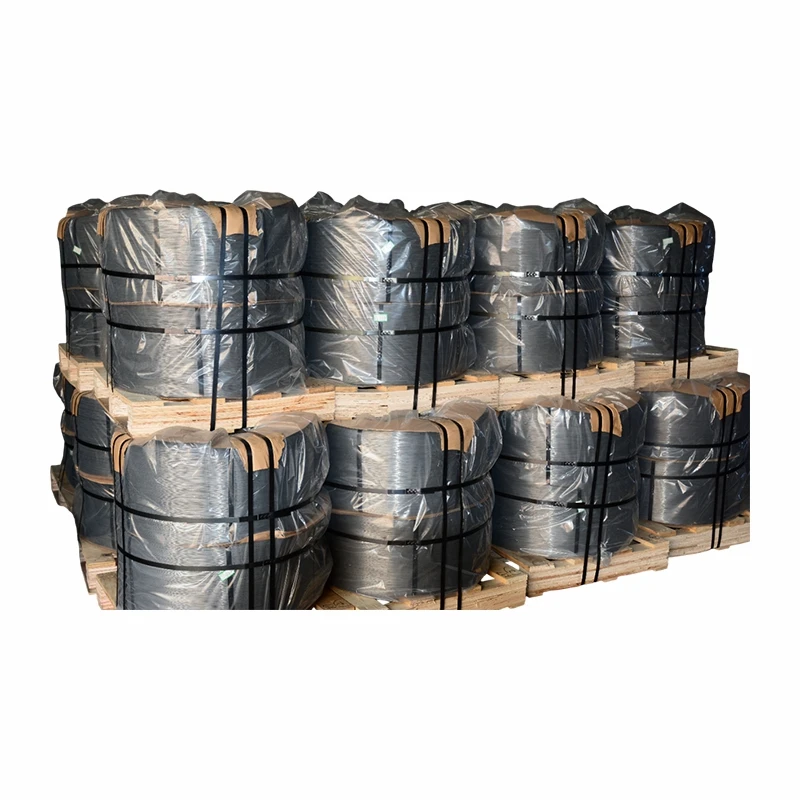
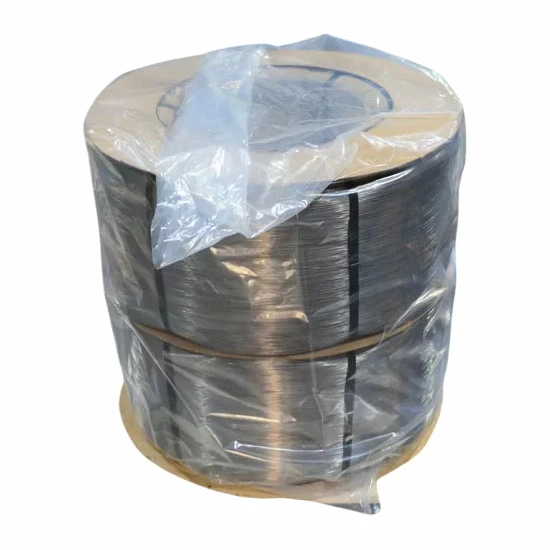
Electroplated steel wire is another type that has a thin layer of metal, such as copper or nickel, deposited on its surface through an electroplating process. This type of wire is often used in the electronics industry for making electrical contacts and conductors.
Why Choose Our Steel Wire Technology
As a steel wire technology supplier, we take pride in offering high - quality products that meet the diverse needs of our customers. We use the latest production techniques and strict quality control measures to ensure that our steel wire products are of the highest standard.
Our research and development team is constantly working on improving our steel wire technologies to meet the ever - changing demands of the market. We offer a wide range of steel wire products, from oil tempered steel wire to phosphate coated steel wire and patented steel wire. Whether you're in the automotive industry, construction industry, or any other field that requires steel wire, we have the right solution for you.
Let's Connect
If you're interested in learning more about our steel wire technology products or have any specific requirements, please don't hesitate to reach out. We're always happy to discuss your needs and provide you with the best possible solutions. Whether you're a small - scale manufacturer or a large - scale industrial company, we're committed to helping you succeed with our top - notch steel wire technology. Let's start a conversation and see how we can work together to meet your steel wire needs.
References
- ASM Handbook Committee. (2004). ASM Handbook, Volume 1: Properties and Selection: Irons, Steels, and High - Performance Alloys. ASM International.
- Dieter, G.E. (1986). Mechanical Metallurgy. McGraw - Hill.
- Thomas, G. (1996). Microstructural Design of Steels. Macmillan.