

What are the storage conditions for rectangular steel wire?
As a supplier of Rectangular Steel Wire, I understand the critical importance of proper storage conditions to maintain the quality and integrity of this versatile product. Rectangular steel wire is widely used in various industries, including automotive, construction, and manufacturing, due to its unique shape and excellent mechanical properties. In this blog post, I will discuss the essential storage conditions for rectangular steel wire to ensure its long-term performance and reliability.
Temperature and Humidity Control
One of the most crucial factors in storing rectangular steel wire is controlling the temperature and humidity of the storage environment. Steel is susceptible to corrosion, especially in the presence of moisture and oxygen. High humidity levels can accelerate the corrosion process, leading to rust and degradation of the wire's surface. Therefore, it is essential to store rectangular steel wire in a dry and well-ventilated area with a relative humidity below 60%.
In addition to humidity, temperature fluctuations can also affect the quality of rectangular steel wire. Extreme temperatures can cause the wire to expand or contract, leading to stress and potential damage. It is recommended to store the wire at a stable temperature between 10°C and 30°C (50°F and 86°F) to minimize the risk of thermal stress.
Protection from Physical Damage
Rectangular steel wire should be stored in a way that protects it from physical damage. The wire can be easily scratched, dented, or bent, which can compromise its mechanical properties and performance. To prevent physical damage, the wire should be stored on a flat and stable surface, away from sharp edges, heavy objects, and other potential sources of impact.
It is also important to handle the wire with care during storage and transportation. When moving the wire, use appropriate lifting equipment and avoid dragging or dropping it. If the wire is coiled, ensure that the coils are properly secured to prevent them from unraveling or tangling.
Separation from Other Metals
Rectangular steel wire should be stored separately from other metals to prevent galvanic corrosion. Galvanic corrosion occurs when two different metals are in contact with each other in the presence of an electrolyte, such as moisture. The more reactive metal will corrode faster, while the less reactive metal will be protected. To avoid galvanic corrosion, store rectangular steel wire away from other metals, especially those that are more reactive, such as aluminum and copper.

If it is necessary to store rectangular steel wire with other metals, use a non-conductive barrier, such as plastic or rubber, to separate them. This will prevent direct contact between the metals and reduce the risk of galvanic corrosion.
Protection from Chemicals
Rectangular steel wire should be protected from exposure to chemicals, such as acids, alkalis, and solvents. These chemicals can react with the steel and cause corrosion or other forms of damage. To prevent chemical damage, store the wire in a clean and dry area, away from sources of chemical contamination.
If the wire needs to be cleaned or treated with chemicals, use only approved products and follow the manufacturer's instructions carefully. Avoid using abrasive cleaners or solvents that can damage the wire's surface.
Proper Packaging
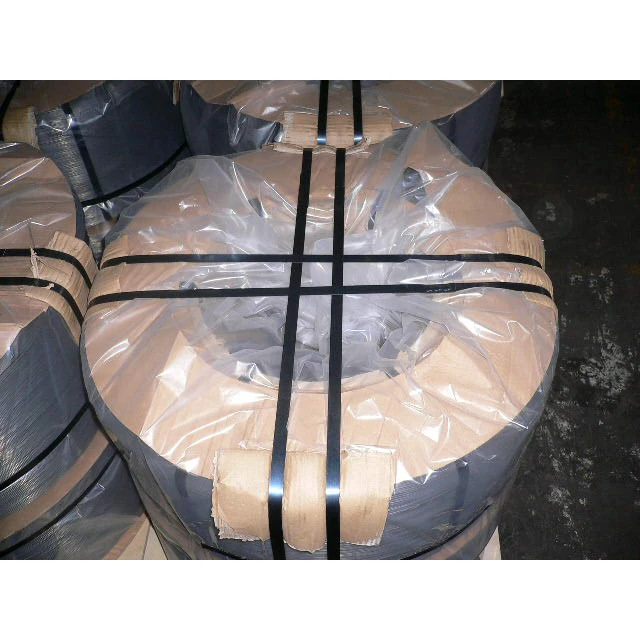
Proper packaging is essential for protecting rectangular steel wire during storage and transportation. The wire should be packaged in a way that prevents it from being damaged, contaminated, or exposed to moisture. Common packaging materials for rectangular steel wire include plastic bags, cardboard boxes, and wooden crates.
When packaging the wire, ensure that it is tightly wrapped and secured to prevent it from moving or shifting during transit. If the wire is coiled, use a coil wrapper or banding to keep the coils together. Label the packaging with the product name,规格, and other relevant information to facilitate identification and handling.
Regular Inspection
Regular inspection of rectangular steel wire during storage is essential to detect any signs of damage, corrosion, or other issues. Inspect the wire for scratches, dents, rust, or other forms of surface damage. Check the packaging for signs of damage or moisture ingress. If any issues are detected, take appropriate action immediately to prevent further damage.
It is also recommended to perform periodic tests on the wire to ensure its mechanical properties and performance are still within the specified range. These tests can include tensile strength, hardness, and ductility tests.
Conclusion
Proper storage conditions are essential for maintaining the quality and integrity of rectangular steel wire. By controlling the temperature and humidity, protecting the wire from physical damage, separating it from other metals, protecting it from chemicals, using proper packaging, and performing regular inspections, you can ensure that the wire remains in good condition and performs as expected.
As a supplier of Rectangular Steel Wire, we are committed to providing our customers with high-quality products and excellent service. If you have any questions or need further information about the storage conditions for rectangular steel wire, please do not hesitate to contact us. We will be happy to assist you with your procurement needs and provide you with the best solutions for your specific applications.
We invite you to explore our range of Rectangular Steel Wire, as well as our other products such as Cold Rolled Flat Steel Wire Strips and Round Steel Wire. If you are interested in purchasing our products, please feel free to reach out to us for a detailed quote and to discuss your requirements. Our team of experts is ready to assist you in finding the right solutions for your projects.
References
- ASM Handbook, Volume 13A: Corrosion: Fundamentals, Testing, and Protection. ASM International, 2003.
- ASTM A1055/A1055M - 18 Standard Specification for Steel Wire, Deformed, for Concrete Reinforcement. ASTM International, 2018.
- ISO 9001:2015 Quality Management Systems - Requirements. International Organization for Standardization, 2015.