

What is the chemical composition of patented steel wire?
Hey there! As a supplier of patented steel wire, I often get asked about its chemical composition. So, I thought I'd break it down for you in this blog post.
Patented steel wire is a type of high - strength steel wire that goes through a specific heat - treatment process called patenting. This process gives the wire its unique properties, making it suitable for a wide range of applications, from construction to automotive parts.
Let's start with the basic elements that make up patented steel wire. The main component is, of course, iron (Fe). Iron forms the backbone of the steel wire structure. It gives the wire its strength and basic physical properties. In most patented steel wires, iron makes up the majority of the composition, usually around 98% or more.
Carbon (C) is another crucial element. Carbon content in patented steel wire typically ranges from 0.6% to 0.95%. The amount of carbon significantly affects the wire's hardness and strength. A higher carbon content generally leads to a harder and stronger wire. When carbon atoms are dissolved in the iron lattice, they form a solid solution, which strengthens the steel. During the patenting process, the carbon helps in the formation of a specific microstructure called pearlite, which is a fine - scale mixture of ferrite and cementite. Pearlite gives the wire its excellent combination of strength and ductility.
Manganese (Mn) is also present in patented steel wire. Manganese usually makes up about 0.3% to 0.9% of the composition. It serves several important functions. First, it helps to deoxidize the steel during the manufacturing process. Second, it combines with sulfur (S) to form manganese sulfide (MnS) inclusions, which are less harmful to the wire's properties compared to iron sulfide (FeS). Manganese also contributes to the hardenability of the steel, allowing the wire to develop the desired microstructure during heat treatment.
Silicon (Si) is often added in small amounts, typically around 0.1% to 0.35%. Silicon acts as a deoxidizer and also helps to increase the strength of the steel. It improves the wire's resistance to oxidation and corrosion to some extent.
Phosphorus (P) and sulfur (S) are considered impurities in patented steel wire, and their content is kept as low as possible. Phosphorus can cause brittleness in the steel, especially at low temperatures. The maximum allowable phosphorus content is usually less than 0.035%. Sulfur can form iron sulfide inclusions, which can reduce the wire's ductility and toughness. The sulfur content is typically limited to less than 0.03%.
Some patented steel wires may also contain small amounts of other alloying elements depending on the specific application. For example, chromium (Cr) can be added in small quantities (less than 0.2%) to improve the wire's corrosion resistance. Nickel (Ni) can enhance the toughness and ductility of the wire, especially in applications where the wire may be subjected to impact loads.
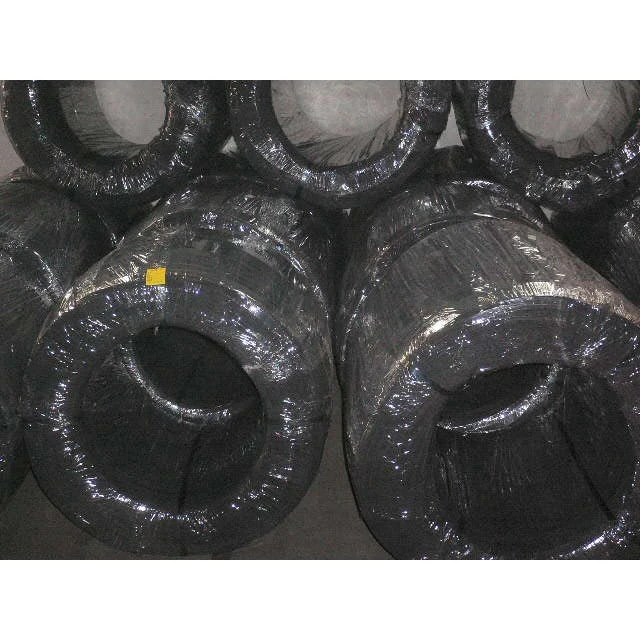
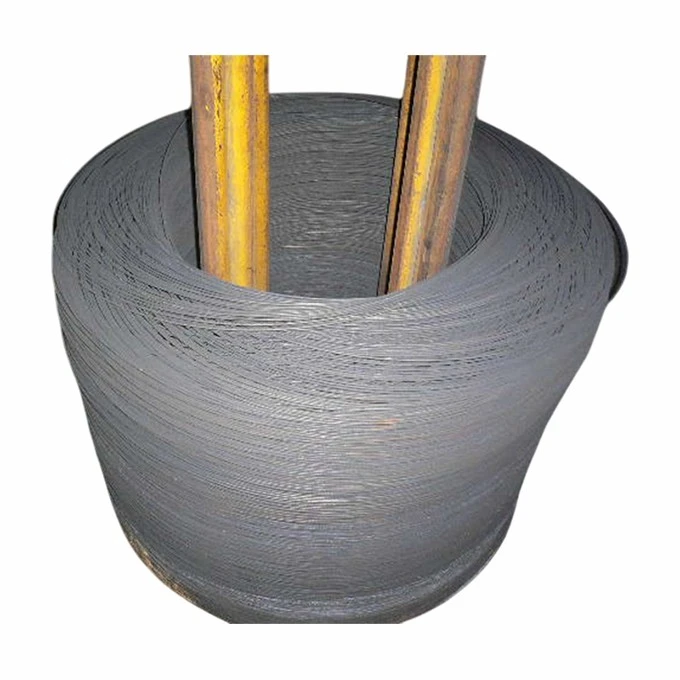
Now, let's talk about how the chemical composition affects the properties of patented steel wire. The combination of carbon, manganese, and other elements determines the wire's strength, ductility, and hardness. The high carbon content gives the wire high tensile strength, which means it can withstand large pulling forces without breaking. The presence of pearlite microstructure, formed due to the carbon and the patenting process, allows the wire to be drawn into thin diameters without losing its strength.
The ductility of the wire is also important. Ductility refers to the ability of the wire to be deformed without cracking. The right balance of elements in the chemical composition ensures that the wire can be bent, twisted, and formed into various shapes during manufacturing processes such as coiling or weaving.
In terms of applications, patented steel wire is used in many industries. In the construction industry, it's used for making concrete reinforcement, wire ropes, and fencing. The high strength and ductility of the wire make it ideal for these applications, as it can withstand the stresses and strains in a construction environment.
In the automotive industry, patented steel wire is used for making springs, seat frames, and other components. The excellent combination of strength and fatigue resistance makes it suitable for parts that need to endure repeated loading.
If you're interested in different types of steel wires related to patented steel wire, I'd like to share some links. Check out Phosphate Coating Steel Wire, which has a special phosphate coating that provides additional corrosion resistance. Also, Black Annealed Tie Steel Wire is another option, which is softer and more flexible, often used for tying purposes. And Oil Tempered Steel Wire is known for its high strength and good fatigue properties, commonly used in spring manufacturing.
As a supplier of patented steel wire, I understand the importance of providing high - quality products. We carefully control the chemical composition of our steel wire to ensure that it meets the strictest industry standards. Whether you need a small quantity for a DIY project or a large - scale supply for an industrial application, we can meet your needs.
If you're in the market for patented steel wire or have any questions about its chemical composition, properties, or applications, I'd love to hear from you. Reach out to us to start a conversation about your requirements. We can work together to find the best solution for your project.
References:
- "Steels: Processing, Structure, and Performance" by George Krauss
- "Metallurgy for the Non - Metallurgist" by John D. Verhoeven