

What is the cobalt content in stainless steel wire?
As a seasoned supplier of stainless steel wire, I often encounter inquiries about the various elements that make up this versatile material. One question that frequently comes up is, "What is the cobalt content in stainless steel wire?" In this blog post, I'll delve into the details of cobalt in stainless steel wire, exploring its role, typical levels, and the implications for different applications.
The Role of Cobalt in Stainless Steel Wire
Cobalt is a transition metal that is known for its high melting point, excellent magnetic properties, and resistance to wear and corrosion. When added to stainless steel wire, cobalt can enhance several key characteristics, making it suitable for a wide range of demanding applications.
One of the primary benefits of cobalt in stainless steel wire is its ability to improve hardness and strength. Cobalt forms carbides with carbon in the steel matrix, which act as hard particles that resist deformation and wear. This makes stainless steel wire with cobalt content ideal for applications where high strength and durability are required, such as in aerospace components, cutting tools, and high-performance springs.
In addition to its hardness and strength, cobalt also improves the heat resistance of stainless steel wire. Cobalt has a high melting point and can form stable oxide layers on the surface of the wire, which protect it from oxidation and corrosion at elevated temperatures. This makes stainless steel wire with cobalt content suitable for use in high-temperature environments, such as in exhaust systems, furnace components, and jet engines.
Cobalt also enhances the magnetic properties of stainless steel wire. Cobalt is a ferromagnetic material, which means it can be magnetized and retains its magnetization even after the external magnetic field is removed. This makes stainless steel wire with cobalt content useful in applications where magnetic properties are required, such as in electrical motors, generators, and magnetic sensors.
Typical Cobalt Content in Stainless Steel Wire
The cobalt content in stainless steel wire can vary depending on the specific grade and application requirements. In general, the cobalt content in stainless steel wire ranges from trace amounts (less than 0.1%) to as high as 20% or more in some specialized alloys.
Most standard grades of stainless steel wire, such as 304 and 316, contain very low levels of cobalt, typically less than 0.1%. These grades are widely used in a variety of applications, including architectural, automotive, and food processing, where high strength, corrosion resistance, and aesthetic appeal are important.
However, for applications that require high strength, hardness, and heat resistance, stainless steel wire with higher cobalt content may be used. For example, some high-performance alloys, such as MP35N and L605, contain up to 20% cobalt. These alloys are commonly used in aerospace, medical, and military applications, where extreme conditions and high performance are required.
Implications for Different Applications
The cobalt content in stainless steel wire can have significant implications for different applications. Here are some examples:
- Aerospace Applications: In the aerospace industry, stainless steel wire with high cobalt content is used in critical components, such as turbine blades, engine shafts, and fasteners. The high strength, hardness, and heat resistance of cobalt-containing stainless steel wire make it suitable for use in the extreme conditions of aerospace engines, where temperatures can reach up to 1,000°C or more.
- Medical Applications: In the medical industry, stainless steel wire with low cobalt content is commonly used in surgical instruments, implants, and dental appliances. The low cobalt content helps to minimize the risk of allergic reactions and other adverse effects in patients. However, for some specialized medical applications, such as in cardiac pacemakers and defibrillators, stainless steel wire with higher cobalt content may be used to provide the necessary magnetic properties.
- Cutting Tools: In the manufacturing industry, stainless steel wire with high cobalt content is used in cutting tools, such as drills, taps, and end mills. The high hardness and wear resistance of cobalt-containing stainless steel wire make it suitable for use in high-speed machining operations, where long tool life and high precision are required.
- Electrical Applications: In the electrical industry, stainless steel wire with cobalt content is used in electrical motors, generators, and transformers. The magnetic properties of cobalt-containing stainless steel wire make it suitable for use in these applications, where efficient energy conversion and high performance are required.
Cold Drawn Stainless Steel Wire and Alloy Steel Wire
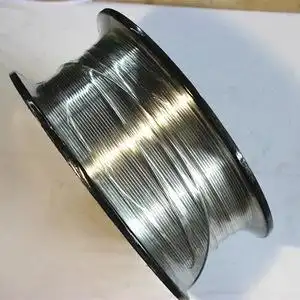
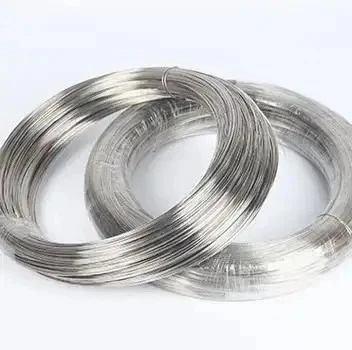
As a stainless steel wire supplier, I offer a wide range of products, including Cold Drawn Stainless Steel Wire and Alloy Steel Wire. Cold drawn stainless steel wire is produced by drawing the wire through a series of dies at room temperature, which improves its strength, hardness, and surface finish. Alloy steel wire, on the other hand, is a type of steel that contains one or more alloying elements, such as cobalt, nickel, chromium, and molybdenum, to enhance its properties.
Both cold drawn stainless steel wire and alloy steel wire can contain varying levels of cobalt, depending on the specific grade and application requirements. Whether you need high-strength, corrosion-resistant wire for aerospace applications or magnetic wire for electrical applications, I can provide you with the right product to meet your needs.
Contact Us for Procurement and Negotiation
If you're interested in purchasing stainless steel wire or have any questions about the cobalt content or other properties of our products, please don't hesitate to contact us. Our team of experts is available to provide you with detailed information, technical support, and competitive pricing. We look forward to working with you and helping you find the perfect stainless steel wire solution for your application.
References
- ASM Handbook, Volume 1: Properties and Selection: Irons, Steels, and High-Performance Alloys. ASM International, 1990.
- Metals Handbook Desk Edition, 2nd Edition. ASM International, 1998.
- Stainless Steel: A Guide to Selection, Fabrication, and Application. The Nickel Institute, 2002.