

What is the corrosion resistance of round steel wire?
Corrosion is a natural process that gradually deteriorates metals by chemical or electrochemical reactions with their environment. When it comes to round steel wire, understanding its corrosion resistance is crucial, especially for industries that rely on its durability and performance. As a leading supplier of Round Steel Wire, we are committed to providing high - quality products with excellent corrosion - resistant properties. In this blog, we will delve into what corrosion resistance of round steel wire means, the factors affecting it, and how we ensure our products meet the highest standards.
What is Corrosion Resistance of Round Steel Wire?
Corrosion resistance refers to the ability of round steel wire to withstand the chemical or electrochemical attack from its surrounding environment without significant degradation. A wire with good corrosion resistance can maintain its structural integrity, mechanical properties, and appearance over an extended period, even when exposed to harsh conditions.
The corrosion resistance of round steel wire is not an inherent property but is influenced by several factors, including the composition of the steel, the manufacturing process, and the environment in which the wire is used.
Factors Affecting the Corrosion Resistance of Round Steel Wire
1. Steel Composition
The chemical composition of the steel is one of the most critical factors determining corrosion resistance. Different alloying elements can be added to the steel to enhance its ability to resist corrosion.
- Chromium: Chromium is a key element in stainless steel, which is widely used for round steel wire in corrosion - prone environments. When chromium is present in the steel, it forms a thin, protective oxide layer on the surface of the wire. This layer, known as the passive film, acts as a barrier that prevents oxygen and moisture from reaching the underlying steel, thus reducing the risk of corrosion. For example, stainless steel round wire with a chromium content of 10.5% or more can provide excellent corrosion resistance in many common environments.
- Nickel: Nickel is often added to stainless steel in combination with chromium. It helps to stabilize the austenitic structure of the steel, which improves its corrosion resistance, especially in acidic and chloride - containing environments. Nickel also enhances the toughness and ductility of the wire, making it more suitable for applications where mechanical stress is involved.
- Molybdenum: Molybdenum can further enhance the corrosion resistance of stainless steel round wire, particularly in environments containing chlorides. It helps to prevent pitting and crevice corrosion, which are common forms of localized corrosion that can lead to premature failure of the wire.
2. Manufacturing Process
The manufacturing process of round steel wire also plays a significant role in its corrosion resistance.
- Heat Treatment: Heat treatment can change the microstructure of the steel, which in turn affects its corrosion resistance. For example, annealing can relieve internal stresses in the wire and improve its corrosion resistance by promoting the formation of a more uniform and stable passive film. On the other hand, improper heat treatment can lead to the formation of sensitized structures, which are more susceptible to intergranular corrosion.
- Surface Finish: The surface finish of the round steel wire can influence its corrosion resistance. A smooth and clean surface is less likely to trap moisture and contaminants, which reduces the risk of corrosion. Processes such as cold drawing and polishing can improve the surface finish of the wire, making it more resistant to corrosion.
3. Environmental Factors
The environment in which the round steel wire is used has a direct impact on its corrosion resistance.
- Moisture and Humidity: Moisture is one of the primary factors that cause corrosion. In high - humidity environments, water can condense on the surface of the wire, providing an electrolyte for electrochemical reactions. The presence of oxygen in the air then accelerates the corrosion process. For example, in coastal areas where the air is humid and contains salt particles, the corrosion rate of round steel wire can be significantly higher than in dry inland areas.
- Chemical Exposure: Exposure to chemicals such as acids, alkalis, and salts can also cause corrosion of round steel wire. Different chemicals have different effects on the wire, depending on its composition. For instance, chloride ions in seawater or de - icing salts can penetrate the passive film on stainless steel wire and cause pitting corrosion.
Our Approach to Ensuring Corrosion Resistance
As a supplier of Round Steel Wire, we take several measures to ensure that our products have excellent corrosion resistance.
1. High - Quality Raw Materials
We source our raw materials from reputable suppliers who adhere to strict quality control standards. We carefully select steels with the appropriate alloying elements to meet the specific corrosion - resistance requirements of our customers. For example, for applications in highly corrosive environments, we may use stainless steel with a high chromium and nickel content.
2. Advanced Manufacturing Processes
We employ advanced manufacturing techniques to produce round steel wire with a uniform microstructure and a smooth surface finish. Our heat treatment processes are carefully controlled to optimize the mechanical properties and corrosion resistance of the wire. We also use state - of - the - art surface treatment methods to enhance the corrosion resistance of the wire, such as passivation, which further strengthens the passive film on the surface of the wire.
3. Rigorous Quality Control
We have a comprehensive quality control system in place to ensure that every batch of round steel wire meets our high standards of corrosion resistance. Our quality control team conducts various tests, including salt spray tests, immersion tests, and electrochemical tests, to evaluate the corrosion resistance of the wire. Only products that pass these tests are released for sale.
Applications of Corrosion - Resistant Round Steel Wire
Corrosion - resistant round steel wire has a wide range of applications in various industries.

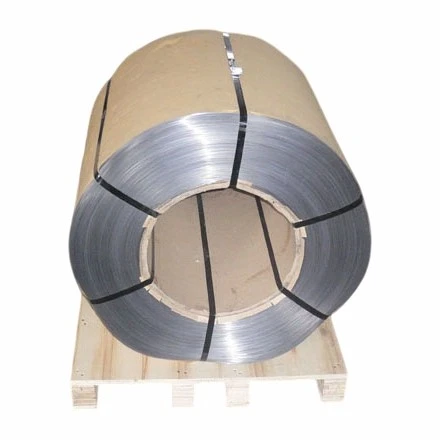
1. Construction Industry
In the construction industry, round steel wire is used for reinforcement, fencing, and suspension systems. Corrosion - resistant wire is essential in these applications, especially in coastal areas or in structures exposed to harsh environmental conditions. For example, stainless steel round wire can be used for reinforcing concrete structures, where it provides long - term durability and resistance to corrosion.
2. Automotive Industry
The automotive industry uses round steel wire for various components, such as springs, cables, and fasteners. Corrosion - resistant wire is crucial in these applications to ensure the reliability and safety of the vehicles. For example, stainless steel round wire springs can withstand the corrosive effects of road salts and moisture, providing consistent performance over the lifetime of the vehicle.
3. Marine Industry
In the marine industry, round steel wire is used for mooring lines, rigging, and fishing gear. The harsh marine environment, with its high salt content and humidity, requires wire with excellent corrosion resistance. Stainless steel round wire is the material of choice for these applications, as it can resist the corrosive effects of seawater and prevent premature failure.
Comparison with Other Types of Steel Wire
In addition to Round Steel Wire, we also offer Rectangular Steel Wire and Cold Rolled Flat Steel Wire Strips. While these products have their own unique properties and applications, round steel wire generally offers better corrosion resistance in many cases.
- Round Steel Wire: The circular cross - section of round steel wire provides a more uniform distribution of stress, which can help to prevent stress - corrosion cracking. The smooth surface of round wire also makes it less likely to trap moisture and contaminants, reducing the risk of corrosion.
- Rectangular Steel Wire: Rectangular steel wire has a different cross - sectional shape, which may be more suitable for applications where a flat or rectangular profile is required. However, the corners of the rectangular wire can be more susceptible to corrosion due to the concentration of stress and the accumulation of moisture and contaminants.
- Cold Rolled Flat Steel Wire Strips: Cold rolled flat steel wire strips are often used for applications such as springs and clips. While they can be made corrosion - resistant, the flat surface may be more prone to corrosion in some environments, especially if the surface finish is not properly maintained.
Conclusion
Corrosion resistance is a critical property of round steel wire, especially in industries where durability and reliability are essential. By understanding the factors that affect corrosion resistance and taking appropriate measures to enhance it, we can provide high - quality round steel wire that meets the needs of our customers. Whether you are in the construction, automotive, or marine industry, our corrosion - resistant round steel wire can provide long - term performance and value.
If you are interested in our Round Steel Wire or have any questions about its corrosion resistance, please feel free to contact us for procurement and further discussion. We are always ready to provide you with the best solutions for your specific requirements.
References
- Jones, D. A. (1992). Principles and Prevention of Corrosion. Prentice Hall.
- Uhlig, H. H., & Revie, R. W. (1985). Corrosion and Corrosion Control: An Introduction to Corrosion Science and Engineering. Wiley.
- ASM Handbook Committee. (2003). ASM Handbook, Volume 13A: Corrosion: Fundamentals, Testing, and Protection. ASM International.