

What is the density of Generalstrength Steel Wire?
Steel wire is a fundamental material in various industries, from construction and automotive to manufacturing and infrastructure. Among different types of steel wires, Generalstrength Steel Wire holds a significant position due to its balanced properties and wide - ranging applications. As a supplier of Generalstrength Steel Wire, I am often asked about its density, which is a crucial parameter for many engineering and design calculations.
Understanding the Basics of Steel Wire Strength Classification
Before delving into the density of Generalstrength Steel Wire, it's essential to understand the different strength classifications of steel wires. There are generally three main categories: Low Strength Steel Wire, Generalstrength Steel Wire, and High Strength Steel Wire.
Low Strength Steel Wire typically has a relatively low tensile strength, which makes it suitable for applications where high - stress resistance is not required. It is often used in light - duty fencing, binding, and some decorative purposes. High Strength Steel Wire, on the other hand, is engineered to withstand extremely high tensile forces. It is commonly found in applications such as suspension bridges, prestressed concrete structures, and high - performance automotive components.
Generalstrength Steel Wire strikes a balance between the two. It offers sufficient strength for a wide range of general - purpose applications, including general construction, wire mesh production, and some mechanical parts. Its properties make it a popular choice for many manufacturers and contractors who need a reliable and cost - effective solution.
What Determines the Density of Generalstrength Steel Wire?
The density of a material is defined as its mass per unit volume. For Generalstrength Steel Wire, several factors influence its density:
Chemical Composition
Steel is an alloy primarily composed of iron and carbon, with small amounts of other elements such as manganese, silicon, sulfur, and phosphorus. The exact chemical composition can vary depending on the specific grade of Generalstrength Steel Wire. For example, increasing the carbon content generally increases the strength of the steel but can also have a minor impact on its density. Other alloying elements are added to enhance specific properties such as corrosion resistance, toughness, and ductility, which can also slightly affect the overall density.
Manufacturing Process
The manufacturing process of Generalstrength Steel Wire also plays a role in determining its density. The wire is typically produced through a series of processes, including hot rolling, cold drawing, and heat treatment. Hot rolling involves heating the steel billet to a high temperature and then passing it through a series of rollers to reduce its cross - sectional area. Cold drawing further refines the wire by pulling it through a die at room temperature, which increases its strength and improves its surface finish. Heat treatment, such as annealing or quenching and tempering, can also modify the internal structure of the steel, potentially affecting its density.
Typical Density of Generalstrength Steel Wire
In general, the density of Generalstrength Steel Wire is similar to that of plain carbon steel, which is approximately 7850 kg/m³ (0.284 lb/in³). This value can vary slightly depending on the factors mentioned above, but it provides a good starting point for most engineering calculations.
For example, if you are designing a wire mesh structure using Generalstrength Steel Wire, knowing the density allows you to calculate the weight of the wire required for a given volume. This is important for transportation, handling, and cost estimation. Similarly, in mechanical engineering applications, the density is used to calculate the mass and inertia of components made from Generalstrength Steel Wire, which are crucial for dynamic analysis and design.
Applications of Generalstrength Steel Wire and the Importance of Density
Generalstrength Steel Wire finds its way into numerous applications across different industries. In the construction industry, it is used for reinforcing concrete structures, making wire mesh for partitions and facades, and in some cases, for temporary support during construction. The density of the wire is important in these applications as it helps in determining the overall weight of the structure and ensuring that the foundation and supporting elements can handle the load.
In the manufacturing industry, Generalstrength Steel Wire is used to produce springs, fasteners, and various small parts. The density affects the performance of these components, especially in applications where weight and balance are critical. For example, in the automotive industry, the density of the steel wire used in springs can impact the vehicle's suspension system, affecting ride comfort and handling.
Quality Control and Density
As a supplier of Generalstrength Steel Wire, quality control is of utmost importance. We conduct regular density measurements as part of our quality control process to ensure that the wire meets the specified standards. By accurately measuring the density, we can detect any variations in the chemical composition or manufacturing process that may affect the wire's properties.
We use advanced measurement techniques, such as Archimedes' principle, to determine the density of the wire. This involves measuring the mass of the wire in air and then in a liquid of known density. By comparing the two measurements, we can calculate the volume of the wire and then its density. This ensures that our customers receive high - quality Generalstrength Steel Wire that meets their exact requirements.
Conclusion and Call to Action
In conclusion, the density of Generalstrength Steel Wire is an important parameter that affects its performance and applications in various industries. Understanding the factors that influence its density, such as chemical composition and manufacturing process, allows for better design and engineering decisions.
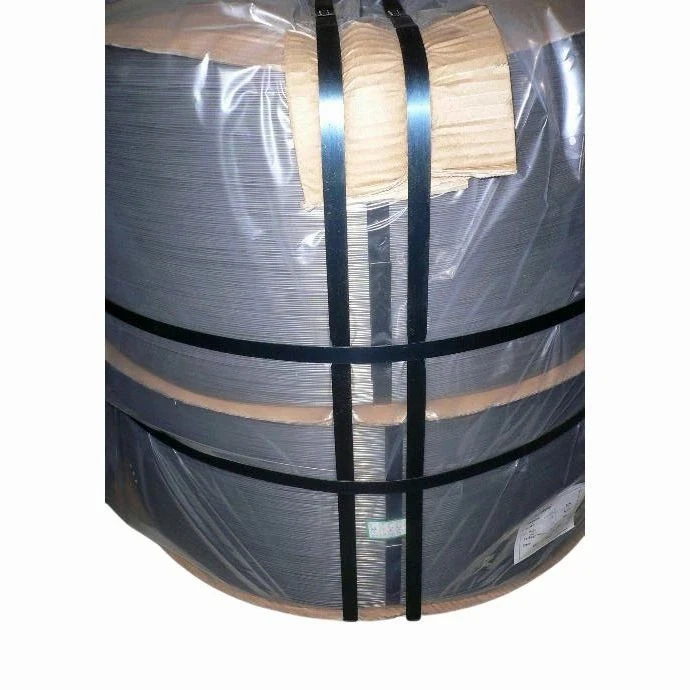
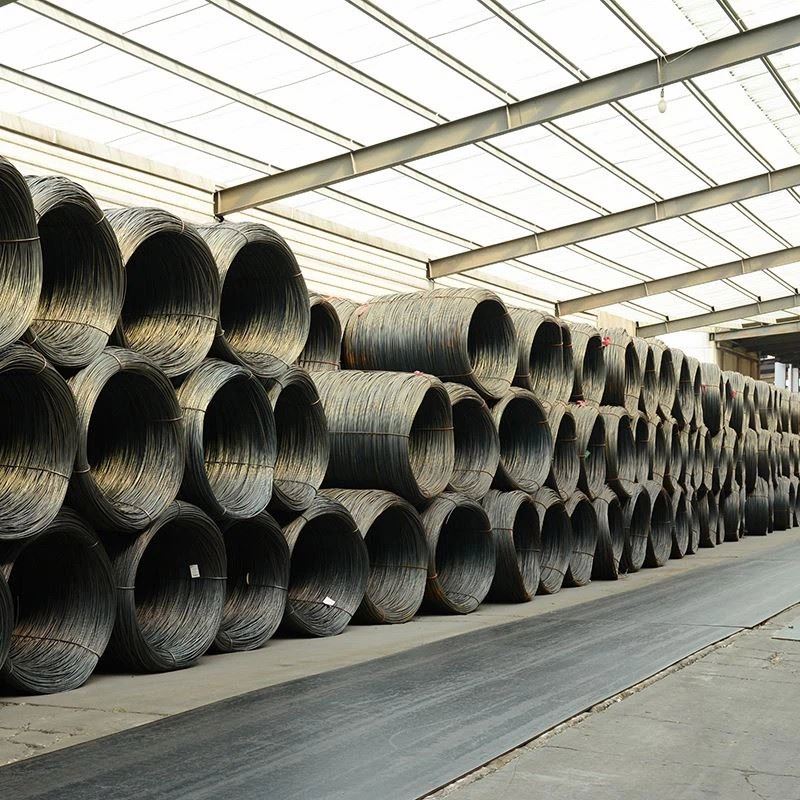
As a leading supplier of Generalstrength Steel Wire, we are committed to providing high - quality products that meet the strictest industry standards. Our team of experts is always available to assist you with any questions you may have regarding the density, strength, or other properties of our steel wire.
If you are in need of Generalstrength Steel Wire for your next project, we invite you to contact us for a detailed discussion. We can provide you with samples, technical specifications, and competitive pricing. Let's work together to find the best solution for your specific needs.
References
- ASM Handbook Volume 1: Properties and Selection: Irons, Steels, and High - Performance Alloys. ASM International.
- "Materials Science and Engineering: An Introduction" by William D. Callister, Jr. and David G. Rethwisch.