

What is the fracture toughness of alloy steel wire?
As a seasoned supplier of Alloy Steel Wire, I've witnessed firsthand the critical role that fracture toughness plays in the performance and reliability of this remarkable material. In this blog post, I'll delve into the concept of fracture toughness, explore its significance in alloy steel wire, and discuss how it impacts various applications.
Understanding Fracture Toughness
Fracture toughness is a fundamental material property that measures a material's resistance to crack propagation. In simpler terms, it quantifies how well a material can withstand the presence of cracks or flaws without catastrophic failure. When a material is subjected to external forces, cracks can initiate and grow. Fracture toughness determines the maximum stress intensity factor that a material can tolerate before a crack rapidly propagates, leading to fracture.
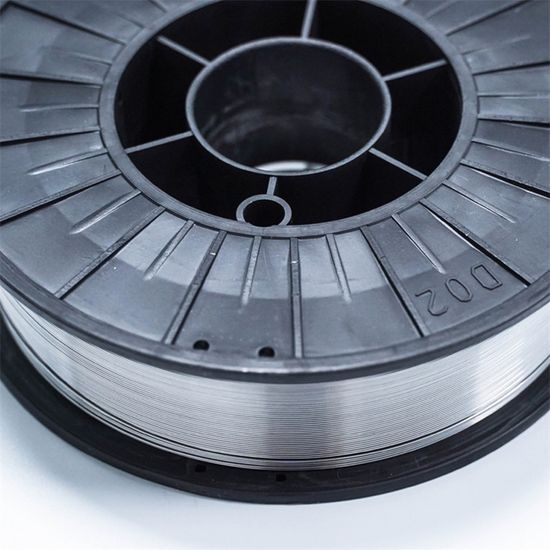
The fracture toughness of a material is typically expressed in units of stress times the square root of length, such as MPa√m (megapascals times the square root of meters) in the SI system. A higher fracture toughness value indicates that the material is more resistant to crack growth and is less likely to fail under stress.
Importance of Fracture Toughness in Alloy Steel Wire
Alloy steel wire is a versatile material used in a wide range of applications, from automotive components and aerospace structures to construction and manufacturing. In many of these applications, the wire is subjected to high stresses, cyclic loading, and harsh environmental conditions. The fracture toughness of alloy steel wire is crucial in ensuring its structural integrity and preventing premature failure.
Structural Integrity
In structural applications, such as bridges, buildings, and offshore platforms, alloy steel wire is often used as cables, ropes, or reinforcement bars. These components are responsible for carrying heavy loads and maintaining the stability of the structure. A high fracture toughness ensures that the wire can withstand the stresses and strains without developing cracks that could compromise the integrity of the entire structure.
Fatigue Resistance
Many applications of alloy steel wire involve cyclic loading, such as in automotive engines, machinery, and suspension systems. Cyclic loading can cause cracks to initiate and grow over time, leading to fatigue failure. Fracture toughness plays a vital role in preventing fatigue crack propagation and extending the service life of the wire. A material with high fracture toughness can resist the formation and growth of fatigue cracks, reducing the risk of sudden and catastrophic failure.
Corrosion Resistance
Alloy steel wire is often exposed to corrosive environments, such as in marine applications, chemical processing plants, and outdoor structures. Corrosion can weaken the wire and reduce its fracture toughness, making it more susceptible to cracking and failure. By selecting alloy steel wire with high fracture toughness and good corrosion resistance, manufacturers can ensure the long-term performance and reliability of their products in harsh environments.
Factors Affecting the Fracture Toughness of Alloy Steel Wire
The fracture toughness of alloy steel wire is influenced by several factors, including the chemical composition, microstructure, heat treatment, and manufacturing process. Understanding these factors is essential for optimizing the fracture toughness of the wire and meeting the specific requirements of different applications.
Chemical Composition
The chemical composition of alloy steel wire plays a significant role in determining its fracture toughness. Alloying elements, such as chromium, nickel, molybdenum, and vanadium, can improve the strength, hardness, and corrosion resistance of the wire. However, the addition of these elements can also affect the microstructure and fracture behavior of the material. For example, excessive amounts of certain alloying elements can lead to the formation of brittle phases, which can reduce the fracture toughness of the wire.
Microstructure
The microstructure of alloy steel wire refers to the arrangement and distribution of its constituent phases, such as ferrite, pearlite, bainite, and martensite. The microstructure has a profound influence on the mechanical properties of the wire, including its fracture toughness. A fine-grained microstructure generally exhibits higher fracture toughness than a coarse-grained microstructure, as it provides more obstacles to crack propagation. Heat treatment processes, such as quenching and tempering, can be used to control the microstructure and improve the fracture toughness of the wire.
Heat Treatment
Heat treatment is a critical step in the manufacturing of alloy steel wire, as it can significantly affect the material's microstructure and mechanical properties. Quenching and tempering are commonly used heat treatment processes to improve the strength and toughness of the wire. Quenching involves rapidly cooling the wire from a high temperature to form a hard and brittle martensitic structure. Tempering is then performed to reduce the brittleness and improve the ductility and fracture toughness of the wire. The exact heat treatment parameters, such as the quenching temperature, cooling rate, and tempering temperature, need to be carefully controlled to achieve the desired properties.
Manufacturing Process
The manufacturing process of alloy steel wire can also impact its fracture toughness. Cold drawing is a common process used to reduce the diameter of the wire and improve its surface finish and mechanical properties. However, excessive cold drawing can introduce residual stresses and work hardening, which can reduce the fracture toughness of the wire. Proper annealing or stress relieving treatments can be used to eliminate these residual stresses and improve the fracture toughness of the cold-drawn wire.
Applications of Alloy Steel Wire with High Fracture Toughness
Alloy steel wire with high fracture toughness is used in a wide range of applications where reliability and performance are critical. Some of the key applications include:
Automotive Industry
In the automotive industry, alloy steel wire is used in various components, such as springs, suspension systems, engine valves, and transmission cables. These components are subjected to high stresses, cyclic loading, and harsh environmental conditions. Alloy steel wire with high fracture toughness ensures the durability and reliability of these components, improving the safety and performance of vehicles.
Aerospace Industry
The aerospace industry demands materials with exceptional strength, toughness, and corrosion resistance. Alloy steel wire with high fracture toughness is used in critical applications, such as aircraft landing gear, control cables, and structural components. The high fracture toughness of the wire ensures the structural integrity of these components under extreme conditions, such as high altitudes, high temperatures, and rapid changes in pressure.
Construction Industry
In the construction industry, alloy steel wire is used as reinforcement in concrete structures, such as bridges, buildings, and dams. The high fracture toughness of the wire helps to prevent crack propagation and improve the durability and seismic resistance of these structures. Additionally, alloy steel wire is used in pre-stressed concrete applications, where it is tensioned to provide additional strength and stiffness to the structure.
Manufacturing Industry
The manufacturing industry uses alloy steel wire in a variety of applications, such as wire ropes, cables, and fasteners. These products are used in heavy machinery, mining equipment, and industrial automation systems. Alloy steel wire with high fracture toughness ensures the reliability and safety of these products, reducing the risk of downtime and costly repairs.
Conclusion
Fracture toughness is a critical property of alloy steel wire that determines its resistance to crack propagation and failure. As a supplier of Alloy Steel Wire, I understand the importance of providing high-quality wire with excellent fracture toughness to meet the diverse needs of our customers. By carefully controlling the chemical composition, microstructure, heat treatment, and manufacturing process, we can optimize the fracture toughness of our alloy steel wire and ensure its performance and reliability in various applications.
If you're looking for a reliable supplier of alloy steel wire with high fracture toughness, we'd love to hear from you. Whether you need wire for automotive, aerospace, construction, or manufacturing applications, we have the expertise and resources to provide you with the right solution. Contact us today to discuss your requirements and explore how our Alloy Steel Wire can enhance the performance and durability of your products.
References
- Callister, W. D., & Rethwisch, D. G. (2017). Materials Science and Engineering: An Introduction. Wiley.
-ASM Handbook Volume 1: Properties and Selection: Irons, Steels, and High-Performance Alloys. ASM International. - Shigley, J. E., Mischke, C. R., & Budynas, R. G. (2004). Mechanical Engineering Design. McGraw-Hill.