

What is the hardness of rectangular steel wire?
Hey there! As a supplier of Rectangular Steel Wire, I often get asked about the hardness of this amazing product. So, let's dive right in and explore what the hardness of rectangular steel wire really means.
First off, what is rectangular steel wire? Well, it's exactly what it sounds like - steel wire that has a rectangular cross - section. Unlike Round Steel Wire, which has a circular cross - section, rectangular steel wire offers unique advantages in various applications. You can check out more details about it on our Rectangular Steel Wire page.
Now, let's talk about hardness. Hardness in steel wire is a measure of how resistant the wire is to deformation, indentation, or scratching. It's a crucial property because it determines how well the wire can withstand wear and tear in different environments and applications.
There are several ways to measure the hardness of rectangular steel wire. One of the most common methods is the Rockwell hardness test. In this test, a small indenter is pressed into the surface of the wire with a specific force, and the depth of the indentation is measured. The harder the wire, the smaller the indentation. Another popular test is the Brinell hardness test, which uses a larger indenter and measures the diameter of the indentation left on the wire's surface.
The hardness of rectangular steel wire can vary depending on a few factors. The first is the chemical composition of the steel. Different alloying elements can have a significant impact on the hardness. For example, adding elements like carbon, chromium, and manganese can increase the hardness of the steel. Carbon is particularly important as it forms hard carbide particles in the steel matrix, making the wire more resistant to deformation.
The manufacturing process also plays a huge role. Cold rolling, for instance, can increase the hardness of the wire. When the wire is cold - rolled, the grains in the steel are deformed and compressed, which makes the wire stronger and harder. Our Cold Rolled Flat Steel Wire Strips are a great example of how the manufacturing process can affect hardness.
Heat treatment is another key factor. Processes like quenching and tempering can be used to adjust the hardness of the wire. Quenching involves rapidly cooling the wire from a high temperature, which creates a very hard but brittle structure. Tempering is then done to reduce the brittleness and improve the toughness of the wire while still maintaining a relatively high hardness.
So, why does the hardness of rectangular steel wire matter? Well, in many applications, a high - hardness wire is essential. In the automotive industry, for example, rectangular steel wire is used in springs and suspension components. These parts need to be able to withstand high loads and repeated stress without deforming. A wire with the right hardness will ensure that these components have a long service life and perform reliably.
In the construction industry, rectangular steel wire can be used in reinforcement bars and mesh. Harder wire can better resist the forces exerted on the structure, such as the weight of the building and external loads like wind and earthquakes.
In the manufacturing of electrical components, the hardness of the wire can affect its conductivity and durability. A wire that is too soft may deform easily during the manufacturing process, leading to poor electrical connections. On the other hand, a wire that is too hard may be difficult to form into the desired shape.
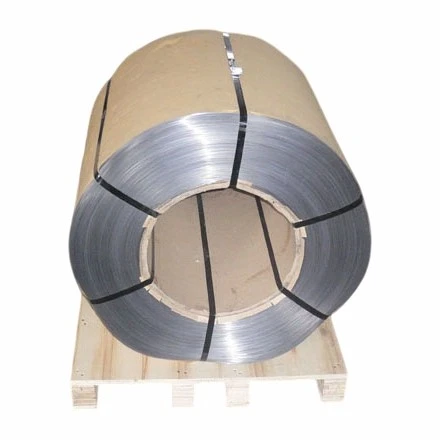

As a supplier, we understand the importance of providing rectangular steel wire with the right hardness for our customers' needs. We have a team of experts who carefully control the chemical composition, manufacturing process, and heat treatment to ensure that our wire meets the highest quality standards.
If you're in the market for rectangular steel wire, it's important to consider your specific application and the required hardness. We can work with you to determine the best type of wire for your project. Whether you need a very hard wire for heavy - duty applications or a more flexible wire for intricate manufacturing processes, we've got you covered.
So, if you're interested in learning more about our rectangular steel wire or have any questions about hardness and its applications, don't hesitate to reach out. We're here to help you find the perfect solution for your business. Let's start a conversation and see how we can work together to meet your rectangular steel wire needs.
References
- "Metallurgy for Dummies" by Jeff Williams
- "Steel: Processing, Structure, and Performance" by George Krauss