

What is the maximum temperature that stainless steel wire can withstand?
As a seasoned stainless steel wire supplier, I often encounter inquiries from clients about the maximum temperature that stainless steel wire can withstand. This is a crucial question, especially for industries where high - temperature resistance is a key requirement. In this blog, I will delve into the factors that determine the maximum temperature tolerance of stainless steel wire, the different types of stainless steel wire and their temperature capabilities, and practical applications where this knowledge is vital.
Factors Affecting the Maximum Temperature Tolerance of Stainless Steel Wire
The maximum temperature that stainless steel wire can withstand is influenced by several factors. First and foremost is the chemical composition of the stainless steel. Stainless steel is an alloy primarily composed of iron, chromium, and nickel, with other elements such as molybdenum, titanium, and niobium added in varying amounts. Chromium is the key element that provides corrosion resistance and forms a protective oxide layer on the surface of the wire. The higher the chromium content, the better the oxidation resistance at high temperatures. Nickel also plays an important role in enhancing the high - temperature strength and toughness of the stainless steel wire.
Another factor is the microstructure of the stainless steel. Different heat - treatment processes can result in various microstructures, such as austenitic, ferritic, and martensitic. Austenitic stainless steels, which are non - magnetic and have high ductility, generally have better high - temperature performance compared to ferritic and martensitic stainless steels. They can maintain their strength and corrosion resistance at elevated temperatures due to their stable crystal structure.
The surface finish of the stainless steel wire also affects its high - temperature performance. A smooth and clean surface promotes the formation of a uniform oxide layer, which acts as a barrier against further oxidation. Any surface defects, such as scratches or impurities, can disrupt the oxide layer and reduce the wire's ability to withstand high temperatures.
Types of Stainless Steel Wire and Their Temperature Capabilities
There are several common types of stainless steel wire, each with its own maximum temperature tolerance.
Austenitic Stainless Steel Wire
Austenitic stainless steel wires, such as 304 and 316 grades, are widely used due to their excellent corrosion resistance and high - temperature performance. Grade 304 stainless steel wire, which contains approximately 18% chromium and 8% nickel, can typically withstand temperatures up to about 870°C (1600°F) in continuous service. At this temperature, it maintains its strength and corrosion resistance, making it suitable for applications such as heating elements in low - to medium - temperature furnaces and food processing equipment.
Grade 316 stainless steel wire, which has a higher molybdenum content (about 2 - 3%) compared to 304, offers better corrosion resistance in harsh environments. It can withstand continuous service temperatures up to around 815°C (1500°F). The addition of molybdenum enhances its resistance to pitting and crevice corrosion, making it ideal for applications in chemical processing plants and marine environments where both high temperatures and corrosive substances are present.
For more demanding high - temperature applications, high - nickel austenitic stainless steel wires, such as 310 and 330 grades, are available. Grade 310 stainless steel wire, with approximately 25% chromium and 20% nickel, can withstand temperatures up to 1150°C (2100°F) in continuous service. It is commonly used in furnace components, such as radiant tubes and burner parts.
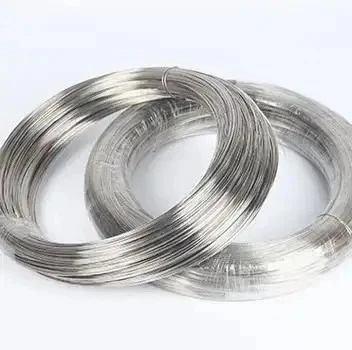
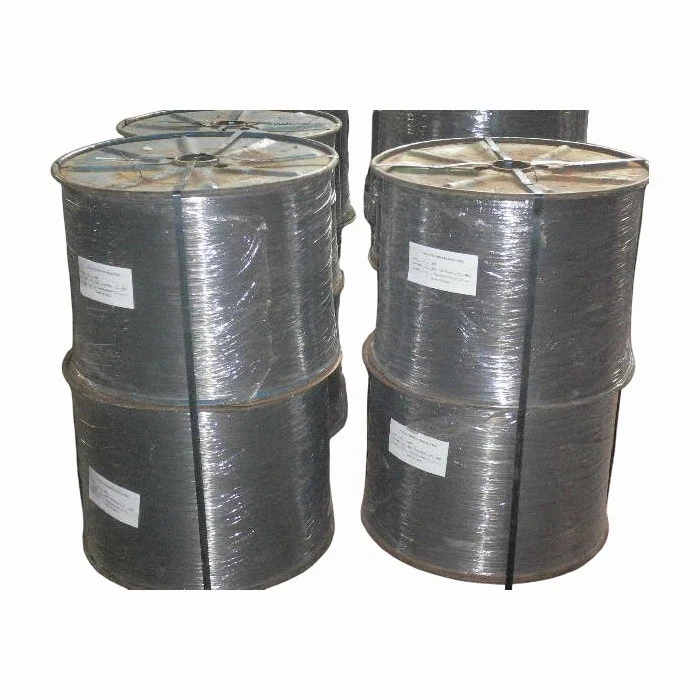
Ferritic Stainless Steel Wire
Ferritic stainless steel wires, such as 430 grade, have a lower nickel content compared to austenitic stainless steels. They are more magnetic and generally less expensive. However, their high - temperature performance is not as good as austenitic stainless steels. Grade 430 stainless steel wire can typically withstand temperatures up to about 760°C (1400°F) in continuous service. It is often used in applications where cost is a major consideration and the temperature requirements are relatively low, such as automotive exhaust systems and decorative applications.
Martensitic Stainless Steel Wire
Martensitic stainless steel wires, such as 410 grade, are known for their high strength and hardness. However, they have limited high - temperature performance. Grade 410 stainless steel wire can withstand temperatures up to about 650°C (1200°F) in continuous service. It is commonly used in applications where high strength and wear resistance are required at relatively low temperatures, such as springs and cutlery.
Practical Applications Requiring High - Temperature Resistance
The knowledge of the maximum temperature that stainless steel wire can withstand is crucial in many industries.
Aerospace Industry
In the aerospace industry, stainless steel wire is used in various components that are exposed to high temperatures during flight. For example, engine components, such as fuel lines and exhaust systems, require materials that can withstand extreme temperatures. Austenitic stainless steel wires, with their high - temperature strength and corrosion resistance, are often the material of choice for these applications.
Power Generation
In power generation plants, whether it is a coal - fired, gas - fired, or nuclear power plant, stainless steel wire is used in heating elements, boiler tubes, and turbine components. These components are subjected to high temperatures and corrosive environments. High - nickel austenitic stainless steel wires, such as 310 grade, are commonly used in boiler tubes to withstand the high - temperature steam and combustion gases.
Heat Treatment Industry
The heat treatment industry relies heavily on stainless steel wire for making fixtures, baskets, and conveyor belts. These components are used to hold and transport parts during the heat - treatment process, which involves exposing the parts to high temperatures. Austenitic stainless steel wires are preferred for their ability to maintain their shape and strength at elevated temperatures, ensuring the quality of the heat - treated parts.
Conclusion and Call to Action
Understanding the maximum temperature that stainless steel wire can withstand is essential for selecting the right material for your specific application. As a stainless steel wire supplier, I am committed to providing high - quality products that meet your high - temperature requirements. Whether you need Alloy Steel Wire for its unique alloy properties or Cold Drawn Stainless Steel Wire for its superior surface finish and dimensional accuracy, I can offer you a wide range of options.
If you are in need of stainless steel wire for high - temperature applications, I encourage you to contact me for a detailed discussion about your requirements. I can provide you with technical support, product samples, and competitive pricing. Let's work together to find the best stainless steel wire solution for your project.
References
- ASM Handbook Volume 13A: Corrosion: Fundamentals, Testing, and Protection
- Stainless Steel World Handbook
- Manufacturer's technical data sheets for stainless steel wire products