

What is the porosity of steel wire for brush?
The porosity of steel wire for brush is a critical characteristic that significantly influences its performance, durability, and suitability for various applications. As a leading supplier of steel wire for brush, we understand the importance of this property and its implications for our customers. In this blog post, we will delve into the concept of porosity, its impact on steel wire for brush, and how it relates to our high - quality products.
Understanding Porosity
Porosity refers to the presence of small voids or pores within a material. In the context of steel wire for brush, these pores can occur during the manufacturing process. There are several factors that can contribute to the formation of porosity in steel wire. One of the primary causes is the presence of gas bubbles during the steel - making process. When molten steel is being cast, gases such as oxygen, nitrogen, and hydrogen can get trapped within the metal. As the steel cools and solidifies, these gas bubbles remain, creating pores in the structure of the wire.
Another factor that can lead to porosity is the improper handling of the steel during processing. For example, if the steel is not properly degassed before casting, the amount of dissolved gases will be higher, increasing the likelihood of porosity. Also, issues during the rolling or drawing processes, such as uneven deformation or the presence of impurities, can cause local areas of weakness where pores may form.
Measuring Porosity
There are several methods to measure the porosity of steel wire for brush. One common approach is the use of microscopy techniques. Scanning electron microscopy (SEM) can provide high - resolution images of the wire's surface and cross - section, allowing us to visually identify and quantify the size, shape, and distribution of pores. By analyzing a sufficient number of samples, we can get a clear picture of the overall porosity level of the wire.
Another method is the use of density measurements. Since pores are essentially empty spaces within the material, a wire with a higher porosity will have a lower density compared to a non - porous wire of the same composition. By accurately measuring the density of the steel wire and comparing it to the theoretical density of non - porous steel, we can estimate the porosity percentage.
Impact of Porosity on Steel Wire for Brush
The porosity of steel wire for brush has several important implications for its performance. Firstly, porosity can significantly reduce the mechanical strength of the wire. The presence of pores acts as stress concentrators, meaning that when the wire is subjected to external forces, such as bending or tension during the brushing operation, the stress will be concentrated around the pores. This can lead to premature failure of the wire, reducing its service life.
Secondly, porosity can affect the corrosion resistance of the steel wire. Pores can act as entry points for corrosive agents, such as moisture and chemicals. Once these agents penetrate the wire through the pores, they can cause internal corrosion, which can further weaken the wire and lead to rusting and degradation over time.
In addition, porosity can also impact the surface finish of the brush. If the pores are large or numerous, they can cause an uneven surface, which may not be ideal for applications where a smooth and consistent brushing action is required.
Our Approach as a Supplier
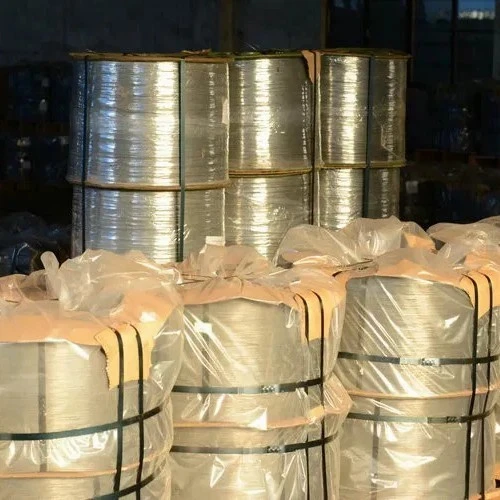
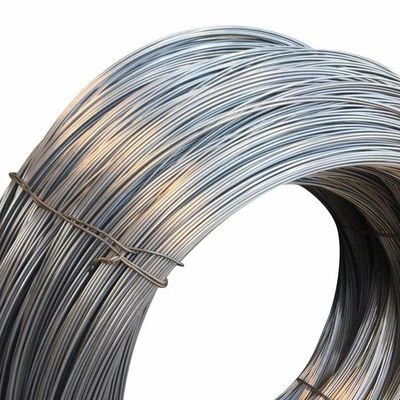
As a supplier of [Steel Wire for Brush], we are committed to providing products with low porosity levels. We have strict quality control measures in place throughout the manufacturing process. Starting from the steel - making stage, we ensure that the molten steel is thoroughly degassed to minimize the presence of dissolved gases. During the rolling and drawing processes, we use advanced equipment and techniques to ensure uniform deformation and prevent the formation of pores.
We also conduct regular porosity testing on our products using the latest measurement methods. By closely monitoring the porosity levels, we can ensure that our steel wire for brush meets the highest quality standards. Our goal is to provide our customers with wire that offers excellent mechanical strength, corrosion resistance, and a smooth surface finish.
Applications of Our Low - Porosity Steel Wire for Brush
Our low - porosity steel wire for brush has a wide range of applications. In the industrial cleaning sector, it can be used in brushes for cleaning large - scale machinery, pipes, and tanks. The high strength and corrosion resistance of our wire ensure that the brushes can withstand the harsh conditions often encountered in industrial environments and provide long - lasting performance.
In the automotive industry, our steel wire for brush is used in the manufacturing of engine cleaning brushes, wheel brushes, and paint - stripping brushes. The low porosity of the wire helps to maintain the integrity of the brush during the high - speed and high - pressure cleaning operations.
In the woodworking industry, our brushes are used for sanding and finishing operations. The smooth surface of our low - porosity wire ensures a consistent brushing action, resulting in a high - quality finish on wooden surfaces.
Related Products
We also offer a variety of related products to meet the diverse needs of our customers. For example, we have Bead Steel Wire, which is widely used in the tire manufacturing industry. This wire has excellent strength and fatigue resistance, making it ideal for reinforcing tires.
Our Steel Cut Wire Shot is another popular product. It is used for surface treatment applications, such as shot peening and descaling. The high - quality steel used in our cut wire shot ensures consistent performance and long service life.
In addition, we provide Cold Drawn Spring Wire Rods. These rods are used in the production of springs for various industries, including automotive, aerospace, and consumer goods. The cold - drawing process gives the rods excellent mechanical properties and a smooth surface finish.
Why Choose Our Products
When you choose our steel wire for brush, you are choosing a product that has been carefully engineered to minimize porosity and maximize performance. Our commitment to quality control and continuous improvement means that you can rely on our products to meet your specific requirements. Whether you need wire for a small - scale DIY project or a large - scale industrial application, we have the expertise and resources to provide you with the right solution.
Contact Us for Procurement
If you are interested in purchasing our steel wire for brush or any of our related products, we encourage you to contact us for further discussion. Our team of experts is ready to assist you in selecting the most suitable product for your needs, providing detailed technical information, and offering competitive pricing. We believe in building long - term partnerships with our customers based on trust and mutual benefit. So, don't hesitate to reach out and start a conversation with us about your procurement requirements.
References
- Smith, J. (2018). "Porosity in Metallic Materials: Causes and Effects". Metallurgy Journal, 25(3), 123 - 135.
- Johnson, A. (2019). "Measurement Techniques for Porosity in Steel Wires". Materials Science Review, 32(2), 78 - 89.
- Brown, C. (2020). "The Impact of Porosity on the Performance of Steel Brushes". Industrial Brush Applications, 15(4), 45 - 56.