

What is the price of patented steel wire?
Hey there! I'm a supplier of Patented Steel Wire, and I often get asked, "What is the price of patented steel wire?" Well, it's not a straightforward answer, as there are several factors that can influence the cost. In this blog, I'll break down these factors and give you a better understanding of what goes into pricing this essential material.
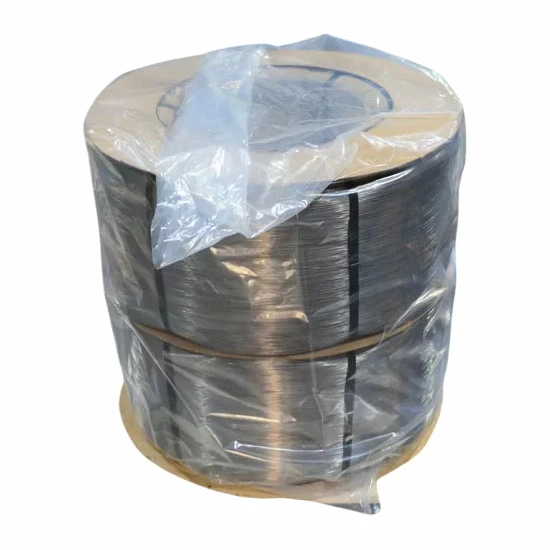
First off, let's talk about what Patented Steel Wire is. Patented steel wire is a type of high - carbon steel wire that has undergone a specific heat - treatment process called patenting. This process involves heating the wire to a high temperature and then rapidly cooling it in a lead or salt bath. The result is a wire with a fine - grained pearlitic structure, which gives it excellent strength, ductility, and fatigue resistance. You can learn more about it on this page: Patented Steel Wire.
One of the biggest factors affecting the price of patented steel wire is the cost of raw materials. High - carbon steel, the primary ingredient in patented steel wire, is subject to market fluctuations. When the price of iron ore, coal, and other raw materials used to make steel goes up, the cost of producing steel wire also increases. Global supply and demand dynamics play a huge role here. For example, if there's a sudden increase in demand for steel in the construction or automotive industries, the price of raw materials can spike, and that cost gets passed on to the end - product, which is the patented steel wire.
The manufacturing process itself is another cost - driver. The patenting process is energy - intensive and requires specialized equipment. Heating the wire to the right temperature and then cooling it precisely is a delicate operation that demands skilled labor and high - tech machinery. Any inefficiencies in the manufacturing process can lead to higher production costs. For instance, if the equipment breaks down frequently, it can cause delays and increase maintenance expenses, all of which are factored into the price of the wire.
Quality is a major consideration when it comes to pricing. Higher - quality patented steel wire will generally cost more. Quality can be measured in terms of its tensile strength, surface finish, and dimensional accuracy. A wire with a higher tensile strength is able to withstand more stress without breaking, making it suitable for more demanding applications. A smooth surface finish reduces friction and wear, which is crucial in applications where the wire will be used in moving parts. And precise dimensional accuracy ensures that the wire fits perfectly into the intended machinery or structure. If you're looking for a wire with top - notch quality, you'll have to pay a premium.
The diameter and length of the wire also impact the price. Smaller - diameter wires often require more complex manufacturing processes, as they are more difficult to handle and form. They may also need more precise heat - treatment to achieve the desired properties. Longer lengths of wire can be more expensive to produce and transport. Shipping costs are a significant part of the overall price, especially for large - scale orders. The farther the wire has to travel from the manufacturing facility to the customer, the higher the shipping fees.

Market competition is yet another factor. In a highly competitive market, suppliers may offer lower prices to attract customers. However, this doesn't always mean that the quality is compromised. Some suppliers are able to achieve economies of scale, which allows them to produce wire at a lower cost per unit. They can then pass on those savings to the customers. On the other hand, in a less competitive market, prices may be higher as there are fewer options for the buyers.
Let's compare patented steel wire with other types of steel wire, like Cold Drawn Steel Wire and Oil Tempered Steel Wire. Cold drawn steel wire is produced by pulling the wire through a die at room temperature, which increases its strength and hardness. Oil tempered steel wire, on the other hand, is heat - treated in oil to improve its toughness and flexibility. Each type of wire has its own unique properties and applications, and their prices can vary accordingly. Patented steel wire, with its excellent combination of strength and ductility, may be more expensive than cold drawn steel wire in some cases, but it offers better performance in applications where both strength and flexibility are required.
So, how can you get the best price for patented steel wire? First, it's important to have a clear understanding of your specific requirements. Know the exact diameter, length, and quality specifications you need for your project. This will help you compare prices from different suppliers more accurately. Don't just go for the cheapest option, though. Consider the reputation of the supplier and the quality of their products. A reliable supplier will offer a fair price for a high - quality product.
Another tip is to negotiate. Many suppliers are willing to work with you on price, especially if you're placing a large order. You can also try to lock in a price for a certain period if you have a long - term project. This can protect you from sudden price increases due to market fluctuations.
If you're in the market for patented steel wire, I'd love to have a chat with you. I've been in the business for years and have a deep understanding of the factors that affect pricing. Whether you're a small - scale manufacturer or a large corporation, I can help you find the right wire at a competitive price. I'm committed to providing high - quality products and excellent customer service. So, don't hesitate to reach out and start a conversation about your patented steel wire needs.
In conclusion, the price of patented steel wire is influenced by a variety of factors, including raw material costs, manufacturing processes, quality, and market competition. By understanding these factors, you can make a more informed decision when purchasing patented steel wire. And if you're looking for a reliable supplier, I'm here to assist you every step of the way.
References
- Industry reports on steel market trends
- Technical literature on steel wire manufacturing processes
- Internal company data on production costs and pricing strategies