

Are there any environmental concerns related to patented steel wire production?
As a supplier of Patented Steel Wire, I've witnessed firsthand the remarkable properties and widespread applications of this material. Patented steel wire is renowned for its high strength, excellent ductility, and superior formability, making it a preferred choice in various industries such as automotive, construction, and manufacturing. However, in today's environmentally conscious world, it's essential to address the environmental concerns associated with its production.
Energy Consumption
One of the primary environmental concerns in patented steel wire production is energy consumption. The process of patenting involves heating the steel wire to a specific temperature and then rapidly cooling it in a controlled manner. This heat treatment process requires a significant amount of energy, typically sourced from fossil fuels such as coal, oil, or natural gas. The combustion of these fossil fuels releases greenhouse gases (GHGs) such as carbon dioxide (CO2), methane (CH4), and nitrous oxide (N2O) into the atmosphere, contributing to global warming and climate change.
To mitigate the environmental impact of energy consumption, steel wire manufacturers are increasingly adopting energy-efficient technologies and practices. For example, some manufacturers are using electric arc furnaces (EAFs) instead of traditional blast furnaces to melt scrap steel, which requires less energy and produces fewer GHG emissions. Additionally, advanced heat treatment processes such as induction heating and laser hardening are being developed to reduce energy consumption and improve the quality of the patented steel wire.
Water Usage
Another environmental concern in patented steel wire production is water usage. The heat treatment process requires large amounts of water for cooling and quenching the steel wire. This water is often sourced from local water bodies such as rivers, lakes, or groundwater aquifers, which can have a significant impact on the local water supply and ecosystem. Moreover, the water used in the production process can become contaminated with heavy metals, chemicals, and other pollutants, which can pose a threat to human health and the environment if not properly treated.
To address the issue of water usage, steel wire manufacturers are implementing water conservation measures and wastewater treatment technologies. For example, some manufacturers are using closed-loop cooling systems to recycle and reuse the water used in the production process, reducing the demand for fresh water. Additionally, advanced wastewater treatment technologies such as reverse osmosis, ultrafiltration, and activated sludge treatment are being used to remove contaminants from the wastewater before it is discharged into the environment.
Air Pollution
In addition to energy consumption and water usage, patented steel wire production can also contribute to air pollution. The combustion of fossil fuels in the production process releases a variety of pollutants into the air, including particulate matter (PM), sulfur dioxide (SO2), nitrogen oxides (NOx), and volatile organic compounds (VOCs). These pollutants can have a significant impact on human health and the environment, causing respiratory problems, cardiovascular diseases, and environmental degradation.
To reduce air pollution, steel wire manufacturers are implementing air pollution control technologies and emission reduction measures. For example, some manufacturers are using electrostatic precipitators, baghouses, and scrubbers to remove PM, SO2, and NOx from the exhaust gases before they are released into the atmosphere. Additionally, advanced combustion technologies such as low-NOx burners and fluidized bed combustion are being developed to reduce the emissions of pollutants from the combustion process.
Waste Generation
Finally, patented steel wire production can generate a significant amount of waste, including scrap metal, slag, and other by-products. This waste can have a negative impact on the environment if not properly managed. For example, scrap metal can be recycled and reused, reducing the demand for virgin materials and conserving natural resources. However, if not properly recycled, scrap metal can end up in landfills, where it can take up valuable space and potentially leach harmful chemicals into the soil and groundwater.
To address the issue of waste generation, steel wire manufacturers are implementing waste management strategies and recycling programs. For example, some manufacturers are using scrap metal recycling facilities to recycle and reuse the scrap metal generated in the production process, reducing the amount of waste sent to landfills. Additionally, advanced waste treatment technologies such as pyrolysis and gasification are being developed to convert the waste into energy and other valuable products, reducing the environmental impact of the waste.
Sustainable Practices in Patented Steel Wire Production
Despite the environmental concerns associated with patented steel wire production, there are also many sustainable practices and technologies that can be implemented to reduce the environmental impact of the production process. For example, some steel wire manufacturers are using renewable energy sources such as solar, wind, and hydroelectric power to meet their energy needs, reducing their reliance on fossil fuels and GHG emissions. Additionally, sustainable forestry practices are being implemented to ensure the sustainable sourcing of wood for the production of charcoal, which is used as a fuel in some steelmaking processes.

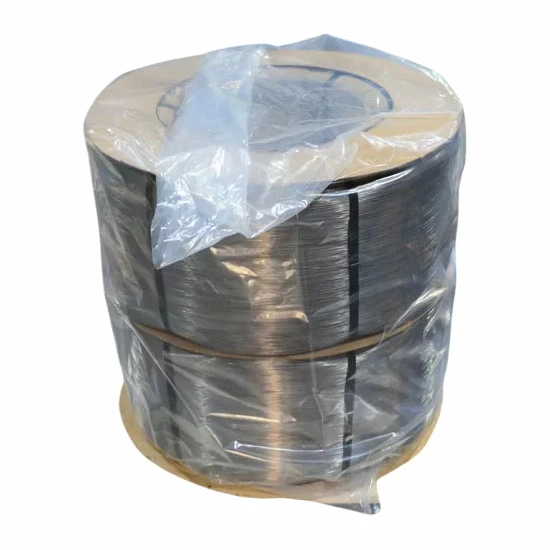
Moreover, some steel wire manufacturers are adopting a circular economy approach to their production process, which involves designing products and processes to minimize waste and maximize the reuse and recycling of materials. For example, some manufacturers are using modular design principles to make the patented steel wire easier to disassemble and recycle at the end of its life cycle. Additionally, partnerships are being formed between steel wire manufacturers, suppliers, and customers to promote the reuse and recycling of the patented steel wire and other materials.
Conclusion
In conclusion, while there are certainly environmental concerns associated with patented steel wire production, there are also many sustainable practices and technologies that can be implemented to reduce the environmental impact of the production process. As a supplier of Patented Steel Wire, I am committed to implementing these sustainable practices and technologies to minimize the environmental footprint of our production process and contribute to a more sustainable future.
If you are interested in learning more about our Patented Steel Wire products or discussing your specific requirements, please feel free to [initiate a discussion]. We are always happy to provide you with detailed information and assist you in finding the right solution for your needs.
References
- American Iron and Steel Institute. (2023). Steel Industry Sustainability Report.
- World Steel Association. (2023). Sustainability in the Steel Industry.
- Environmental Protection Agency. (2023). Steel Manufacturing Industry Profile.