

Can alloy steel wire be galvanized?
Can alloy steel wire be galvanized? Well, that's a question I get asked a lot as an alloy steel wire supplier. And the short answer is yes, alloy steel wire can definitely be galvanized. But there's more to it than just a simple yes. Let's dig deeper into this topic.
First off, let's talk about what alloy steel wire is. Alloy steel wire is made by combining iron with other elements like chromium, nickel, manganese, and others. These additional elements give the wire specific properties such as increased strength, corrosion resistance, and heat resistance. You can learn more about Alloy Steel Wire on our website.
Now, what about galvanizing? Galvanizing is a process of applying a protective zinc coating to steel or iron to prevent rusting. The most common method is hot-dip galvanizing, where the steel is dipped into a bath of molten zinc. This creates a metallurgical bond between the zinc and the steel, providing long-lasting protection.
So, why would you want to galvanize alloy steel wire? One of the main reasons is corrosion protection. Even though alloy steel wire already has some level of corrosion resistance due to the alloying elements, galvanizing can further enhance this property. In environments where the wire is exposed to moisture, chemicals, or salt, the zinc coating acts as a sacrificial anode, corroding first and protecting the underlying steel.
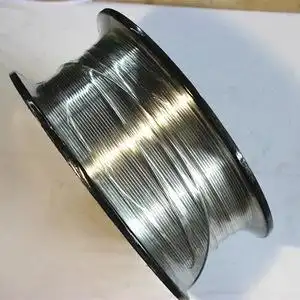
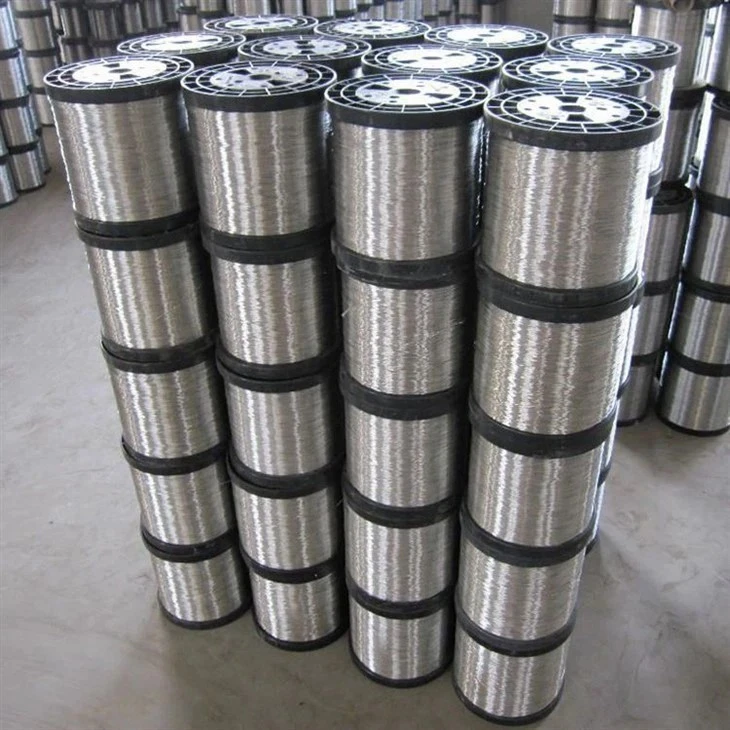
Another reason is aesthetics. Galvanized alloy steel wire has a shiny, silver - gray appearance that can be quite appealing. It can be used in applications where both functionality and looks matter, such as in architectural structures or decorative items.
But how does the galvanizing process work for alloy steel wire? The first step is to clean the wire thoroughly. Any dirt, oil, or oxide on the surface can prevent the zinc from bonding properly. This is usually done through a series of chemical cleaning steps.
After cleaning, the wire is pre - heated to a specific temperature. This helps the zinc to adhere better during the hot - dip process. Then, the wire is dipped into the molten zinc bath. The temperature of the bath and the immersion time are carefully controlled to ensure a uniform and proper coating thickness.
Once the wire is removed from the zinc bath, it goes through a cooling process. This allows the zinc coating to solidify and form a hard, protective layer. The final product is a galvanized alloy steel wire with enhanced corrosion resistance and a nice finish.
However, there are some factors to consider when galvanizing alloy steel wire. One of the main challenges is the potential for intermetallic layer formation. When the alloy steel wire is in contact with the molten zinc, intermetallic compounds can form at the interface between the steel and the zinc. These compounds can sometimes affect the mechanical properties of the wire, such as its ductility.
The composition of the alloy steel also matters. Some alloying elements can react differently with the zinc during the galvanizing process. For example, high levels of silicon in the alloy steel can lead to a thicker and more brittle zinc coating. So, it's important to understand the specific alloy composition and adjust the galvanizing process accordingly.
Now, let's talk about the applications of galvanized alloy steel wire. It has a wide range of uses in various industries. In the construction industry, it can be used for fencing, reinforcement in concrete structures, and suspension cables. The corrosion resistance of the galvanized wire ensures that these structures last longer, even in harsh outdoor conditions.
In the automotive industry, galvanized alloy steel wire can be used for springs, cables, and other components. The protection against rust helps to improve the reliability and lifespan of these parts.
In the manufacturing of wire mesh and screens, galvanized alloy steel wire is a popular choice. It provides both strength and corrosion resistance, making it suitable for use in filtration systems, animal enclosures, and security barriers.
If you're in the market for cold - drawn stainless steel wire, which is another type of high - quality wire product, you can check out Cold Drawn Stainless Steel Wire on our website. Cold - drawn stainless steel wire has its own unique properties and applications, but like alloy steel wire, it can also be galvanized in some cases to enhance its performance.
As an alloy steel wire supplier, I can tell you that we have the expertise and experience to provide you with high - quality galvanized alloy steel wire. We use the latest technology and strict quality control measures to ensure that our products meet your requirements. Whether you need a small quantity for a DIY project or a large order for an industrial application, we've got you covered.
If you're interested in purchasing galvanized alloy steel wire or have any questions about the product or the galvanizing process, don't hesitate to get in touch. We're here to help you find the right solution for your needs. Our team of experts can provide you with detailed information, samples, and competitive pricing.
In conclusion, alloy steel wire can be galvanized, and it offers many benefits in terms of corrosion resistance, aesthetics, and durability. With proper understanding of the process and careful consideration of the alloy composition, galvanized alloy steel wire can be a great choice for a wide range of applications. So, if you're looking for a reliable and high - performance wire product, give galvanized alloy steel wire a try.
References
- Metals Handbook, Volume 2: Properties and Selection: Nonferrous Alloys and Special - Purpose Materials, ASM International
- Galvanizing Technology Manual, Zinc Association