

What is the magnetic property of cold drawn steel wire?
Cold drawn steel wire is a widely used material in various industries due to its excellent mechanical properties and versatility. One of the less commonly discussed but important aspects of cold drawn steel wire is its magnetic property. As a supplier of cold drawn steel wire, understanding these magnetic characteristics is crucial for both us and our customers, as it can impact the suitability of the wire for different applications.
The Basics of Magnetism in Cold Drawn Steel Wire
To understand the magnetic property of cold drawn steel wire, it's essential to first grasp the fundamentals of magnetism in steel. Steel is an alloy primarily composed of iron, which is a ferromagnetic material. Ferromagnetic materials have the ability to be strongly magnetized when exposed to a magnetic field and can retain some of this magnetization even after the field is removed.
The cold drawing process, which involves pulling the steel wire through a series of dies to reduce its diameter and increase its strength, doesn't significantly change the basic ferromagnetic nature of the steel. However, it can influence the magnetic properties in several ways.
Factors Affecting the Magnetic Property
1. Chemical Composition
The chemical composition of the steel wire plays a vital role in determining its magnetic properties. In addition to iron, steel may contain other elements such as carbon, manganese, silicon, and sometimes small amounts of alloying elements like chromium, nickel, and vanadium.
Carbon, for example, is a common element in steel. Higher carbon content can increase the hardness and strength of the steel wire but may also have an impact on its magnetic properties. Generally, as the carbon content increases, the magnetic permeability of the steel may decrease slightly. This is because carbon atoms can disrupt the regular arrangement of iron atoms in the crystal lattice, affecting the ease with which magnetic domains can align.
Alloying elements can also have a significant effect. Chromium is often added to steel to improve its corrosion resistance. However, in certain concentrations, it can reduce the ferromagnetic properties of the steel. Nickel, on the other hand, can enhance the magnetic properties in some cases, especially when combined with other elements in specific ratios.
2. Cold Drawing Process
The cold drawing process itself can influence the magnetic properties of the steel wire. During cold drawing, the steel wire undergoes plastic deformation, which changes the microstructure of the material. The cold work can cause the grains within the steel to become elongated and aligned in the direction of drawing.
This alignment of grains can affect the movement and alignment of magnetic domains. In general, cold drawing can increase the coercivity of the steel wire. Coercivity is the measure of the magnetic field required to demagnetize the material. A higher coercivity means that the steel wire is more resistant to demagnetization, which can be an important factor in applications where a stable magnetic field is required.
The degree of cold work, which is determined by the reduction in cross - sectional area during drawing, also plays a role. Higher degrees of cold work typically result in greater changes in the magnetic properties. For example, a steel wire that has been cold drawn to a very small diameter may have different magnetic characteristics compared to a wire with a less severe cold drawing process.
3. Heat Treatment
Heat treatment is another important factor that can modify the magnetic properties of cold drawn steel wire. After cold drawing, the steel wire may undergo processes such as annealing, normalizing, or tempering.
Annealing involves heating the steel wire to a specific temperature and then slowly cooling it. This process can relieve the internal stresses caused by cold drawing and restore the microstructure to a more uniform state. Annealing can often reduce the coercivity of the steel wire, making it easier to magnetize and demagnetize.
Normalizing is similar to annealing but involves a faster cooling rate. It can refine the grain structure of the steel and improve its mechanical properties. The magnetic properties may also be affected, usually resulting in a more consistent and predictable magnetic behavior compared to the as - cold - drawn state.
Tempering is typically done after quenching to reduce the brittleness of the steel. The temperature and time of tempering can have a significant impact on the magnetic properties. For example, higher tempering temperatures may lead to a decrease in coercivity and an increase in magnetic permeability.
Applications Based on Magnetic Properties
1. Electrical and Electronics Industry
In the electrical and electronics industry, the magnetic properties of cold drawn steel wire are of great importance. For example, in transformers and inductors, the steel wire is used to create magnetic cores. The high magnetic permeability of the steel wire allows for efficient transfer of magnetic energy, reducing energy losses in the form of heat.
The ability to control the magnetic properties through the cold drawing process and heat treatment makes cold drawn steel wire an ideal choice for these applications. By carefully selecting the chemical composition and processing parameters, we can produce steel wire with the desired magnetic characteristics for different types of electrical devices.
2. Magnetic Sensors
Magnetic sensors are used in a wide range of applications, from automotive to consumer electronics. Cold drawn steel wire can be used as a component in magnetic sensors due to its ferromagnetic properties. The change in magnetic properties of the steel wire in response to an external magnetic field can be detected and converted into an electrical signal.
The high coercivity and stability of the magnetic properties of cold drawn steel wire after proper processing make it suitable for use in reliable and accurate magnetic sensors. For example, in automotive applications, magnetic sensors using cold drawn steel wire can be used for speed sensing, position sensing, and anti - lock braking systems.
3. Magnetic Separators
Magnetic separators are used to separate magnetic materials from non - magnetic materials in various industries, such as mining, recycling, and food processing. Cold drawn steel wire can be used to create the magnetic field in these separators.
The strong ferromagnetic properties of the steel wire allow it to attract and hold magnetic particles effectively. The ability to control the magnetic properties through processing ensures that the magnetic separators can be optimized for different types of materials and separation requirements.
Our Offerings as a Cold Drawn Steel Wire Supplier
As a supplier of cold drawn steel wire, we understand the importance of the magnetic properties of our products. We offer a wide range of cold drawn steel wires with different chemical compositions and processing parameters to meet the diverse needs of our customers.
We provide Phosphate Coating Steel Wire, which not only has excellent corrosion resistance but also can be tailored to have specific magnetic properties. The phosphate coating can also enhance the adhesion of other coatings or lubricants, which is beneficial in some applications.
Our Patented Steel Wire is another product that undergoes a unique manufacturing process to ensure high - quality and consistent magnetic properties. The patented process allows us to precisely control the microstructure and chemical composition of the steel wire, resulting in superior magnetic performance.

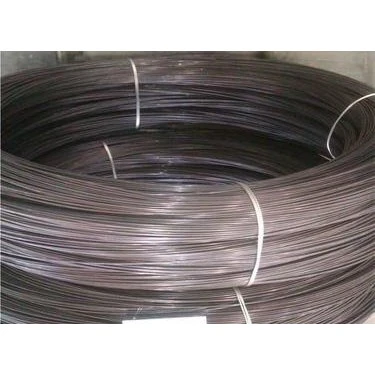
We also offer Oil Tempered Steel Wire, which has been heat - treated to achieve optimal mechanical and magnetic properties. The oil tempering process can improve the toughness and magnetic stability of the steel wire, making it suitable for demanding applications.
Contact Us for Procurement
If you are interested in our cold drawn steel wire products and want to discuss the magnetic properties and other specifications for your specific application, we encourage you to contact us. Our team of experts is ready to provide you with detailed information and technical support. Whether you need a small quantity for a prototype or a large - scale supply for mass production, we can meet your requirements.
References
- ASM Handbook Volume 1: Properties and Selection: Irons, Steels, and High - Performance Alloys. ASM International.
- Callister, W. D., & Rethwisch, D. G. (2010). Materials Science and Engineering: An Introduction. Wiley.
- Davis, J. R. (Ed.). (1994). Steel Heat Treatment Handbook. ASM International.