

Can flexible duct wire be used in livestock barn ventilation?
Can flexible duct wire be used in livestock barn ventilation?
As a renowned supplier of flexible duct wire, I've been asked this question countless times: Can flexible duct wire be used in livestock barn ventilation? The short answer is yes, but let's delve into the details to understand why and how.
Understanding Flexible Duct Wire
Flexible duct wire is a key component in many ventilation systems. It's typically made of high - quality steel, which offers remarkable strength and durability. The wire is formed in a way that provides structural support to flexible ducts, allowing them to maintain their shape even under various environmental conditions.
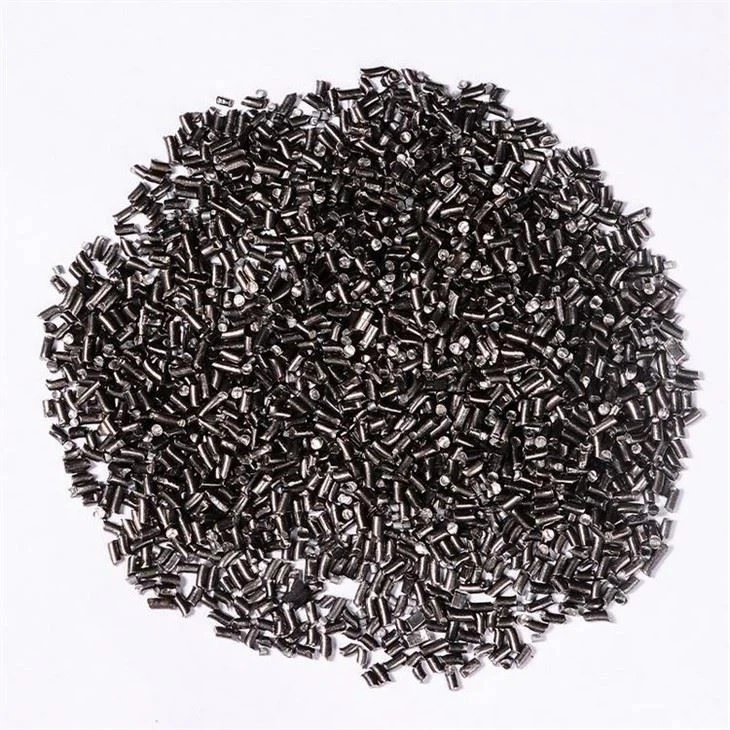
The steel used in our flexible duct wire has properties that make it suitable for a wide range of applications. For those interested in other steel wire products, we also offer Steel Wire for Brush, Steel Cut Wire Shot, and Bead Steel Wire. Each of these products is manufactured with the same high - standard quality control as our flexible duct wire.
Importance of Ventilation in Livestock Barns
Livestock barns require proper ventilation for several reasons. First and foremost, good ventilation helps to control the humidity inside the barn. High humidity can lead to various health problems for livestock, such as respiratory diseases, and can also promote the growth of mold and mildew. Adequate ventilation allows the excess moisture to escape, creating a healthier environment for the animals.
Secondly, ventilation helps to remove harmful gases. Livestock produce significant amounts of ammonia through their urine and feces. Ammonia is irritating to the eyes, respiratory tract, and skin of animals. If the concentration of ammonia becomes too high, it can cause serious health issues and even death in extreme cases. By constantly removing stale air and replacing it with fresh air, ventilation systems can keep the ammonia levels in check.
Why Flexible Duct Wire is Suitable for Livestock Barn Ventilation
- Strength and Durability: The harsh environment of livestock barns demands a material that can withstand continuous use. Flexible duct wire, made from high - grade steel, has excellent tensile strength. It can endure the constant pressure changes within the ventilation system and resist wear and tear over time. There may be some physical disturbances in the barn, such as the movement of large animals or the operation of farming equipment. The strong wire can maintain the integrity of the duct, ensuring the ventilation system works properly.
- Corrosion Resistance: Livestock barns often have a high - moisture and sometimes chemically - laden environment. Ammonia, for example, can be corrosive to many materials. The flexible duct wire we supply is usually coated or treated to enhance its corrosion resistance. This means that it can last longer in the barn environment without rusting or degrading, reducing the need for frequent replacement.
- Flexibility: As the name suggests, flexible duct wire allows the duct to be bent and shaped according to the layout of the livestock barn. This is crucial because barns come in different sizes and configurations. The ability to customize the duct installation ensures that the ventilation system can reach all corners of the barn, providing uniform air distribution.
Installation Considerations
When using flexible duct wire in livestock barn ventilation, proper installation is essential. The wire should be evenly spaced within the duct to provide consistent support. The duct should be installed at the correct height and angle to ensure efficient air flow. It is also important to seal all the connections properly to prevent air leakage.
Regular maintenance is also necessary. Inspect the duct and the wire periodically for any signs of damage, such as broken wire or loose connections. If any issues are found, they should be addressed promptly to avoid compromising the performance of the ventilation system.
Cost - Effectiveness
Using flexible duct wire in livestock barn ventilation is a cost - effective solution in the long run. Although the initial investment may be slightly higher compared to some other materials, the durability and long - service life of the wire mean that there will be fewer replacement costs over time. Additionally, a well - functioning ventilation system can improve the health of the livestock, leading to better growth rates and lower veterinary costs.

Case Studies
There have been numerous successful applications of flexible duct wire in livestock barn ventilation. In a large - scale pig farm, the use of flexible duct wire in the ventilation system led to a significant reduction in the incidence of respiratory diseases among the pigs. By maintaining a proper air quality inside the barn, the pigs were healthier, and the farm experienced higher productivity.
In another dairy farm, the installation of flexible duct wire - supported ventilation ducts improved the overall comfort of the cows. This resulted in increased milk production as the cows were less stressed and in a more favorable environment.
Conclusion
In conclusion, flexible duct wire can indeed be used effectively in livestock barn ventilation. Its strength, durability, corrosion resistance, and flexibility make it an ideal choice for creating a reliable and efficient ventilation system. Whether you are building a new livestock barn or upgrading an existing one, consider using flexible duct wire for a cost - effective and long - lasting solution.
If you are interested in purchasing flexible duct wire for your livestock barn ventilation project or have any questions regarding our products, feel free to contact us for a detailed discussion. We are always ready to provide you with high - quality products and professional advice.
References
- "Livestock Ventilation Handbook" - Published by a leading agricultural research institute, this handbook provides in - depth knowledge about the importance and design of ventilation systems in livestock barns.
- "Steel Wire Properties and Applications" - A technical publication that details the characteristics of different types of steel wire, including those used in flexible ducts.