

Can low strength steel wire be recycled?
Can low strength steel wire be recycled? That's a question I've been asked quite a bit lately, and as a supplier of Low Strength Steel Wire, I'm more than happy to dig into it.
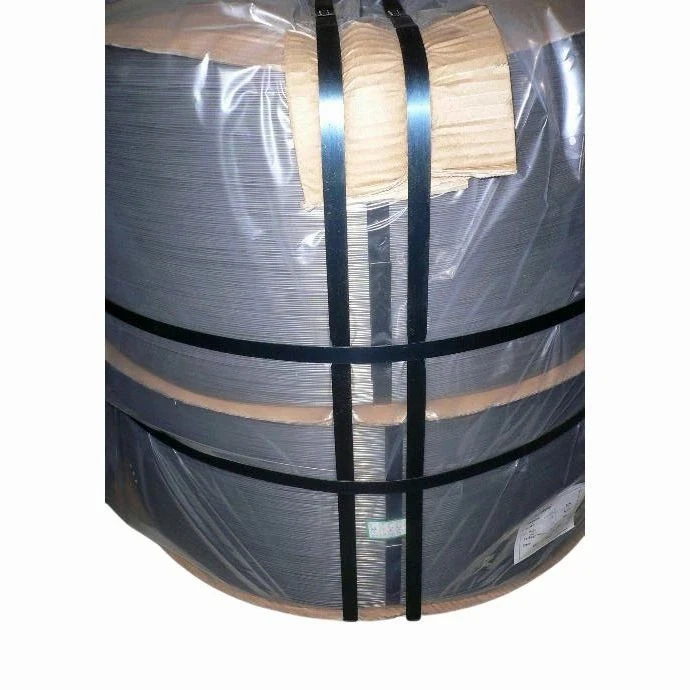
First off, let's talk about what low strength steel wire is. It's a type of steel wire that doesn't have the high - end strength you'd find in High Strength Steel Wire. But that doesn't mean it's any less useful. Low strength steel wire is often used in applications where extreme strength isn't a requirement, like in some types of fencing, light - duty mesh, and basic binding.
Now, to the big question: Can it be recycled? The short answer is yes! Steel, in general, is one of the most recyclable materials out there, and low strength steel wire is no exception. Recycling steel is not only possible but also extremely beneficial for the environment and the economy.
From an environmental perspective, recycling low strength steel wire helps conserve natural resources. Producing new steel from raw materials like iron ore requires a significant amount of energy and has a large carbon footprint. When we recycle steel wire, we're reducing the need to mine new iron ore. This means less deforestation, less water pollution, and fewer greenhouse gas emissions. According to some studies, recycling steel can save up to 75% of the energy needed to produce new steel from scratch.
Economically, recycling low strength steel wire makes a lot of sense. The cost of recycling is often lower than the cost of producing new steel. Recycling facilities can process the wire, melt it down, and turn it into new steel products at a relatively low cost. This cost - effectiveness can be passed on to consumers, making recycled steel products more affordable.
The recycling process for low strength steel wire is pretty straightforward. First, the wire is collected from various sources. This could be from manufacturing waste, old fencing that's being replaced, or other end - of - life products. Once collected, the wire is sorted to remove any non - steel materials like plastic coatings or other contaminants. Then, it's shredded into smaller pieces to make it easier to handle and melt.
After shredding, the wire pieces are melted in a furnace. The melting process is carefully controlled to ensure that the steel retains its desired properties. Once melted, the liquid steel can be cast into new shapes, such as bars or sheets, which can then be further processed into new steel wire or other steel products.
But there are a few challenges when it comes to recycling low strength steel wire. One of the main challenges is the presence of coatings or contaminants. Some low strength steel wires are coated with materials like zinc or paint to protect them from corrosion. These coatings need to be removed before the wire can be recycled effectively. Removing these coatings can add to the cost and complexity of the recycling process.
Another challenge is the collection and sorting process. Ensuring that the wire is properly collected and sorted is crucial for efficient recycling. Sometimes, it can be difficult to collect small amounts of low strength steel wire from scattered sources. And sorting can be time - consuming, especially if the wire is mixed with other types of materials.
Despite these challenges, the benefits of recycling low strength steel wire far outweigh the drawbacks. And as a supplier of low strength steel wire, I'm committed to promoting its recycling. I work with recycling facilities to ensure that any waste wire from our production processes is recycled properly. I also encourage my customers to recycle the wire once they're done using it.
If you're in the market for low strength steel wire, you might be wondering how to choose the right product. There are different grades and specifications of low strength steel wire available, and it's important to select the one that suits your needs. Consider factors like the diameter of the wire, its tensile strength, and any coatings or finishes.
For example, if you're using the wire for fencing, you'll want a wire with a certain level of flexibility and corrosion resistance. On the other hand, if you're using it for binding, you might be more concerned with its strength and durability.
It's also worth considering the option of using recycled low strength steel wire. Recycled wire has the same quality and performance as new wire, but it comes with the added benefit of being environmentally friendly. By choosing recycled wire, you're making a positive impact on the planet while still getting a high - quality product.
In addition to low strength steel wire, there's also Generalstrength Steel Wire, which has properties that fall somewhere between low strength and high strength steel wire. General strength steel wire is often used in a wider range of applications, from construction to automotive parts. And just like low strength steel wire, it can also be recycled.
As a supplier, I offer a range of steel wire products, including low strength, general strength, and high strength steel wire. I understand the importance of providing high - quality products that meet the needs of my customers. Whether you're a small - scale DIYer or a large - scale construction company, I have the right steel wire for you.
If you're interested in purchasing low strength steel wire or any of our other steel wire products, I'd love to have a chat with you. We can discuss your specific requirements, the best product for your application, and the option of using recycled wire. Contact me to start a conversation about your steel wire needs. I'm here to help you find the perfect solution at a great price.
In conclusion, low strength steel wire can definitely be recycled, and it should be. Recycling this type of wire is good for the environment, good for the economy, and a smart choice for anyone in need of steel products. So, the next time you're done with your low strength steel wire, don't throw it away. Instead, recycle it and be part of the solution for a more sustainable future.

References
- American Iron and Steel Institute. (2023). Steel Recycling Facts.
- World Steel Association. (2023). Environmental Benefits of Steel Recycling.