

Can low strength steel wire be used in high - humidity environments?
Can low strength steel wire be used in high - humidity environments?
As a supplier of Low Strength Steel Wire, I often receive inquiries from customers about the suitability of our products in various environments. One of the most frequently asked questions is whether low strength steel wire can be used in high - humidity environments. In this blog post, I will explore this topic in detail, drawing on scientific knowledge and real - world experience.
Understanding Low Strength Steel Wire
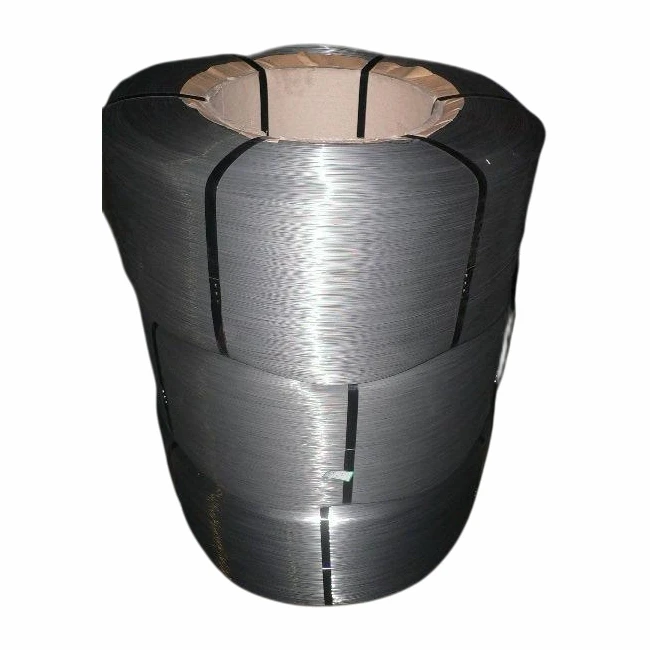
Low strength steel wire is a type of steel wire with relatively lower tensile strength compared to High Strength Steel Wire and Generalstrength Steel Wire. It is typically made from mild steel and is known for its flexibility and ease of processing. Low strength steel wire is widely used in applications such as fencing, binding, and general household purposes due to its cost - effectiveness.
The Impact of High - Humidity Environments on Steel
High - humidity environments are characterized by a large amount of water vapor in the air. When steel is exposed to such environments, a series of chemical reactions can occur on its surface. The most common reaction is corrosion, which is an electrochemical process.
In the presence of water and oxygen, iron in the steel reacts to form iron oxide (rust). The general chemical equation for the rusting of iron is:
[4Fe + 3O_{2}+6H_{2}O = 4Fe(OH){3}]
[2Fe(OH){3}=Fe_{2}O_{3}+3H_{2}O]
The rust layer is porous and does not adhere tightly to the steel surface. It allows water and oxygen to continue to penetrate the steel, leading to further corrosion. As corrosion progresses, the cross - sectional area of the steel wire decreases, which in turn reduces its mechanical properties such as tensile strength and ductility.
Can Low Strength Steel Wire Be Used in High - Humidity Environments?
The answer is both yes and no, depending on several factors:
1. Coating and Protection
If the low strength steel wire is properly coated, it can be used in high - humidity environments. There are several types of coatings that can protect steel from corrosion:
- Galvanized Coating: Galvanizing is the process of applying a zinc coating to the steel surface. Zinc is more reactive than iron, so in a galvanic cell formed between zinc and iron, zinc acts as the anode and corrodes preferentially, protecting the iron. A well - galvanized low strength steel wire can have a long service life in high - humidity environments.
- Plastic Coating: Plastic coatings such as PVC can provide a physical barrier between the steel wire and the surrounding environment. This barrier prevents water and oxygen from reaching the steel surface, thus preventing corrosion.
2. Duration of Exposure
If the exposure to high - humidity conditions is short - term, low strength steel wire may be used without significant problems. For example, in a temporary construction site where the wire is only used for a few weeks in a humid area, the corrosion rate may be slow enough that the wire can still perform its intended function.

3. Application Requirements
In some applications, even if the wire corrodes slightly, it may still meet the performance requirements. For instance, in a simple fencing application where the main function is to mark a boundary, a small amount of corrosion on the low strength steel wire may not affect its overall functionality.
However, if the low strength steel wire is uncoated and is expected to be exposed to high - humidity environments for a long time, it is not a suitable choice. The corrosion will gradually weaken the wire, leading to potential failures such as breakage.
Comparison with High Strength and General - Strength Steel Wires
High strength and general - strength steel wires have similar corrosion mechanisms in high - humidity environments. However, due to their higher carbon content and different alloying elements in some cases, their corrosion resistance may not necessarily be better than that of low strength steel wire. The key factor is still the coating and protection measures.
In fact, high strength steel wires may be more sensitive to corrosion in some cases. The higher strength is often achieved through heat treatment and alloying, which can make the steel structure more complex. If corrosion occurs, it may spread more rapidly and cause more significant damage to the mechanical properties of the wire.
Mitigation Strategies
If you plan to use low strength steel wire in high - humidity environments, here are some mitigation strategies:
- Regular Inspection: Regularly inspect the steel wire for signs of corrosion. Early detection of corrosion allows for timely measures such as recoating or replacement.
- Proper Storage: Before installation, store the steel wire in a dry place to prevent pre - corrosion.
- Maintenance: If a coating is damaged, repair it as soon as possible to prevent the underlying steel from being exposed.
Conclusion
In summary, low strength steel wire can be used in high - humidity environments under certain conditions. The key is to ensure proper coating and protection, consider the duration of exposure, and match the application requirements. As a supplier, we offer a variety of coated low strength steel wires that are suitable for high - humidity environments.
If you are interested in our low strength steel wire products and have any questions about using them in high - humidity environments, or if you want to discuss your specific application needs, please feel free to contact us for procurement and further洽谈. We are committed to providing you with the best solutions for your projects.
References
- Callister, W. D., & Rethwisch, D. G. (2016). Materials Science and Engineering: An Introduction. Wiley.
- Fontana, M. G. (1986). Corrosion Engineering. McGraw - Hill.