

How to improve the powder coating performance of traditional phosphating - treated substrates?
Hey there! As a supplier of traditional phosphating products, I've been getting a lot of questions lately about how to improve the powder coating performance of substrates that have been treated with traditional phosphating. So, I thought I'd share some insights and tips based on my experience in the industry.
First off, let's talk about why traditional phosphating is still relevant in the powder coating process. Traditional phosphating has been around for ages, and it's still one of the most effective ways to prepare metal surfaces for powder coating. It creates a conversion coating on the metal surface that improves adhesion, corrosion resistance, and overall durability of the powder coating.
But here's the thing - just because traditional phosphating is effective doesn't mean it's perfect. There are some common issues that can arise when using traditional phosphating, such as poor coating adhesion, uneven coating thickness, and reduced corrosion resistance. These issues can be frustrating, but the good news is that there are ways to address them and improve the powder coating performance of traditional phosphating - treated substrates.
1. Surface Preparation
The first step in improving powder coating performance is proper surface preparation. This is crucial because any contaminants or impurities on the metal surface can prevent the phosphating solution from working effectively and can also affect the adhesion of the powder coating.
- Cleaning: Before phosphating, the metal substrate should be thoroughly cleaned to remove dirt, oil, grease, and other contaminants. This can be done using a variety of cleaning methods, such as alkaline cleaning, solvent cleaning, or ultrasonic cleaning. Make sure to follow the manufacturer's instructions for the cleaning solution and equipment to ensure a thorough clean.
- Rinsing: After cleaning, the substrate must be rinsed thoroughly to remove any remaining cleaning agents. Residual cleaning agents can interfere with the phosphating process and lead to poor coating performance. Use clean, fresh water for rinsing, and make sure to remove all traces of the cleaning solution.
2. Phosphating Process Optimization
Once the surface is properly prepared, it's time to focus on the phosphating process itself. Here are some key factors to consider:
-
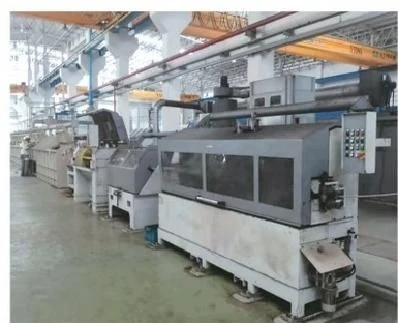
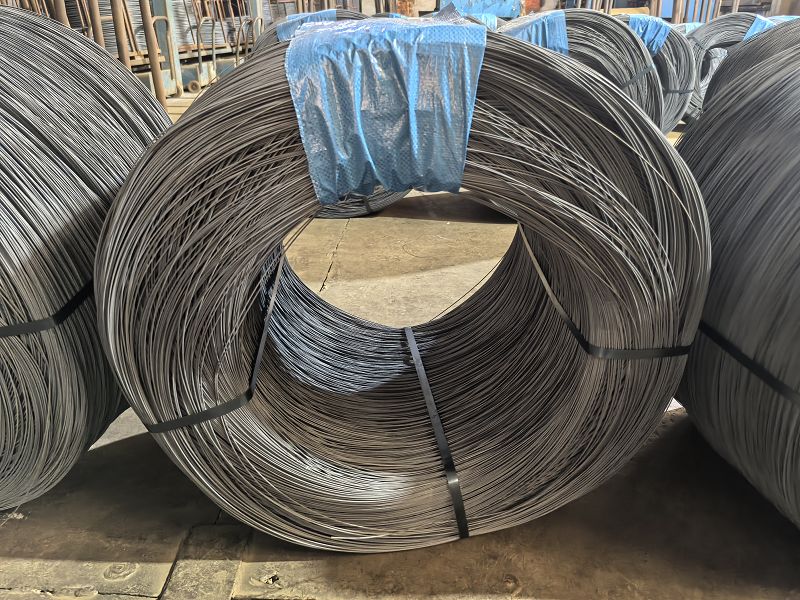
Phosphating Agent Selection: Choosing the right phosphating agent is essential. Different types of metals and applications require different phosphating agents. For example, if you're working with cold - drawn steel, you might want to consider using Cold - drawn Steel Phosphatizing Agents. These agents are specifically formulated to work well with cold - drawn steel and can provide excellent adhesion and corrosion resistance.
-
Process Parameters: The temperature, time, and concentration of the phosphating solution are critical process parameters. The temperature of the phosphating solution should be maintained within the recommended range. If the temperature is too low, the phosphating reaction may be slow or incomplete. If it's too high, it can lead to excessive crystal growth and poor coating quality. Similarly, the immersion time in the phosphating solution should be carefully controlled. Too short a time may result in an insufficient phosphating layer, while too long a time can cause over - phosphating.
-
Agitation: Agitating the phosphating solution during the process can help ensure uniform coating thickness and better coverage. This can be achieved through mechanical agitation, such as stirring or pumping, or by using air agitation.
3. Post - Phosphating Treatment
After the phosphating process, there are some post - treatment steps that can further improve the powder coating performance.
- Rinsing and Drying: Just like after cleaning, the phosphated substrate should be rinsed thoroughly to remove any residual phosphating solution. Then, it needs to be dried completely before powder coating. Moisture on the surface can cause issues such as blistering or poor adhesion of the powder coating. You can use hot air drying or infrared drying to ensure rapid and complete drying.
- Sealing: Applying a sealant after phosphating can enhance the corrosion resistance of the substrate. Sealants can fill in any pores or gaps in the phosphating layer and provide an additional barrier against moisture and contaminants. There are different types of sealants available, such as chrome - free sealants, which are environmentally friendly.
4. Powder Coating Application
The way the powder coating is applied also plays a significant role in the final performance.
- Powder Selection: Choose a high - quality powder coating that is compatible with the phosphated substrate. Consider factors such as the type of metal, the end - use environment, and the desired appearance. Different powders have different properties, such as gloss level, hardness, and chemical resistance.
- Application Method: There are several methods for applying powder coating, such as electrostatic spraying and fluidized bed coating. Electrostatic spraying is the most common method and provides good coverage and adhesion. Make sure to follow the recommended application parameters, such as the voltage, powder flow rate, and gun distance, to ensure a uniform and smooth coating.
5. Curing Process
The curing process is the final step in the powder coating process, and it's crucial for achieving the desired performance.
- Temperature and Time: The powder coating must be cured at the correct temperature and for the appropriate time. If the temperature is too low or the time is too short, the powder may not fully cure, resulting in poor adhesion and reduced mechanical properties. On the other hand, if the temperature is too high or the time is too long, it can cause the powder to degrade and affect the appearance and performance of the coating.
6. Quality Control
Throughout the entire process, it's important to implement a strict quality control system.
- Inspection: Regularly inspect the phosphated substrates and the powder - coated products for any defects, such as pinholes, orange peel, or uneven coating thickness. Use appropriate inspection tools, such as magnifying glasses or coating thickness gauges.
- Testing: Conduct performance tests, such as adhesion tests, corrosion resistance tests, and hardness tests, to ensure that the powder - coated substrates meet the required standards.
In summary, improving the powder coating performance of traditional phosphating - treated substrates requires a comprehensive approach that includes proper surface preparation, optimization of the phosphating process, post - phosphating treatment, careful powder coating application, and a well - controlled curing process. By paying attention to these details and implementing a strict quality control system, you can achieve excellent powder coating results.
If you're interested in learning more about our traditional phosphating products, such as Phosphatizing Agents for Continuous Line or Immersion Line Phosphatizing Agents, or if you have any questions about improving powder coating performance, feel free to reach out to us. We're always here to help you find the best solutions for your specific needs.
References
- ASTM International. (2023). Standard test methods for evaluating the adhesion of organic coatings. ASTM D3359.
- ISO. (2022). Corrosion of metals and alloys — Salt spray tests. ISO 9227.
- PPG Industries. (2021). Powder coating application guide.