

Can patented steel wire be used in electrical applications?
Can Patented Steel Wire Be Used in Electrical Applications?
As a supplier of Patented Steel Wire, I often get asked about the suitability of our product for electrical applications. In this blog post, I'll delve into the characteristics of patented steel wire and explore whether it can be effectively used in the electrical field.
Understanding Patented Steel Wire
Patented steel wire is a high - strength wire that undergoes a specific heat - treatment process known as patenting. This process involves heating the wire to a high temperature and then rapidly cooling it in a lead or salt bath. The result is a wire with a fine pearlitic microstructure, which gives it excellent strength, ductility, and fatigue resistance.
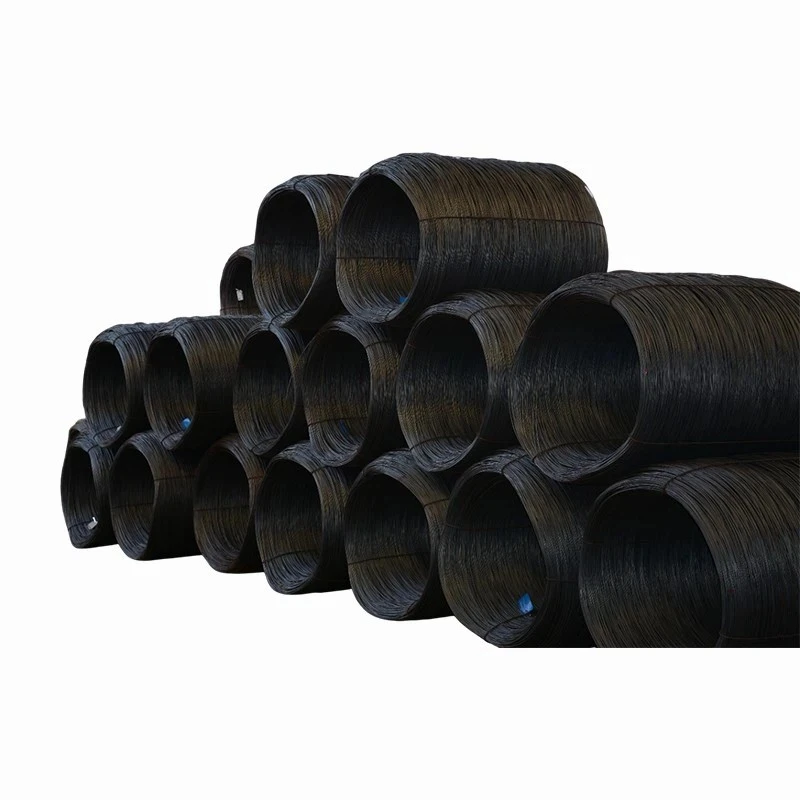
The Patented Steel Wire we supply is produced using advanced manufacturing techniques to ensure consistent quality. It comes in various diameters and grades, allowing for a wide range of applications.
Electrical Conductivity of Steel
One of the primary concerns when considering using steel wire in electrical applications is its electrical conductivity. Steel is not as good a conductor as copper or aluminum, which are the most commonly used materials in electrical wiring. Copper has a conductivity of approximately 58 x 10⁶ S/m, while aluminum has a conductivity of around 37.7 x 10⁶ S/m. In contrast, steel has a much lower conductivity, typically in the range of 5 - 10 x 10⁶ S/m.
This lower conductivity means that for a given cross - sectional area and current, steel wire will experience more resistive heating compared to copper or aluminum. Resistive heating can lead to energy losses in the form of heat, which is undesirable in electrical systems as it reduces efficiency and can potentially cause overheating issues.
Advantages of Using Patented Steel Wire in Electrical Applications
Despite its lower conductivity, there are some scenarios where patented steel wire can be a viable option for electrical applications:
High - Strength Requirements
In some electrical installations, high mechanical strength is a crucial factor. For example, in overhead power lines, the wire needs to withstand the weight of the conductors, wind forces, and ice loads. Patented steel wire, with its high strength and good fatigue resistance, can be used as a supporting element in these applications. It can be combined with more conductive materials such as aluminum or copper to form composite conductors. The steel core provides the necessary strength, while the outer layer of more conductive material carries the electrical current.
Corrosion Resistance
Steel can be treated to have good corrosion resistance. For outdoor electrical applications where the wire is exposed to the elements, a patented steel wire with a proper coating can offer long - term durability. For instance, galvanized patented steel wire has a zinc coating that protects the underlying steel from rusting. This makes it suitable for use in electrical grounding systems, where corrosion can compromise the effectiveness of the grounding.
Cost - Effectiveness
In some cases, cost can be a significant consideration. Patented steel wire is generally less expensive than copper or even aluminum. If the electrical requirements do not demand extremely high conductivity, using steel wire can result in cost savings. For example, in some low - voltage electrical circuits or in applications where the current is relatively small, the slightly higher resistance of steel wire may be acceptable in exchange for the cost advantage.
Types of Patented Steel Wire for Electrical Use
There are different types of patented steel wire that can be considered for electrical applications:
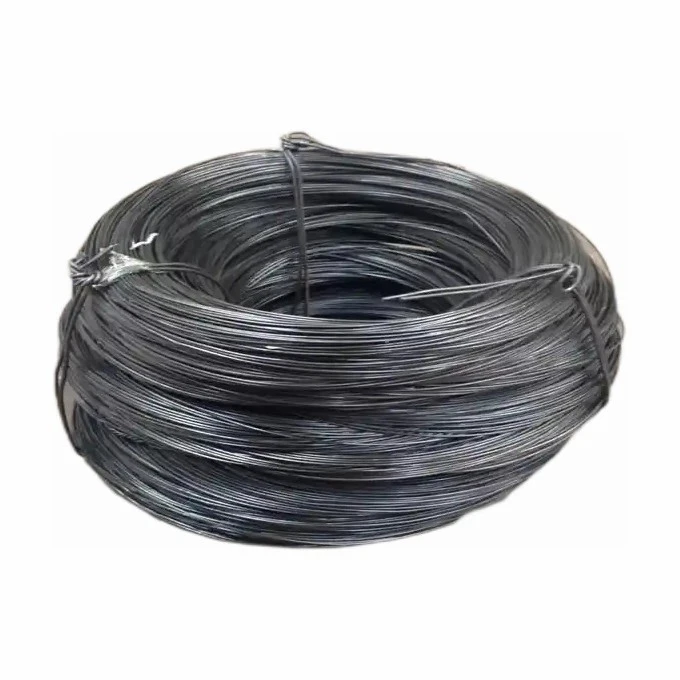
Black Annealed Tie Steel Wire
Black Annealed Tie Steel Wire is a type of low - carbon steel wire that has been annealed to make it soft and ductile. It is commonly used for tying and binding in electrical installations. For example, it can be used to secure electrical cables to support structures or to bundle multiple cables together. Its relatively low cost and ease of handling make it a popular choice for these types of applications.
Oil Tempered Steel Wire
Oil Tempered Steel Wire is another option. It has a higher strength compared to black annealed wire and is often used in applications where more mechanical strength is required. In electrical systems, it can be used in springs or other components that need to withstand repeated stress and have good fatigue resistance.
Limitations and Considerations
When using patented steel wire in electrical applications, there are several limitations and considerations that need to be taken into account:
Skin Effect
At high frequencies, the skin effect becomes more pronounced in conductors. The skin effect causes the current to flow mainly near the surface of the conductor. Since steel has a lower conductivity compared to copper or aluminum, the skin effect can be more significant in steel wire, further reducing its effective cross - sectional area for current flow. This can lead to increased resistance and energy losses at high frequencies.
Compatibility with Other Materials
When using patented steel wire in combination with other materials in electrical systems, compatibility issues need to be considered. For example, if steel is in contact with a more noble metal such as copper in a moist environment, galvanic corrosion can occur. This can lead to the degradation of the wire and potentially compromise the electrical performance of the system.
Conclusion
In conclusion, while patented steel wire is not the first choice for most electrical applications due to its lower conductivity compared to copper and aluminum, it can be used effectively in certain scenarios. Its high strength, corrosion resistance, and cost - effectiveness make it a viable option for applications where these properties are more important than high conductivity.
If you are considering using patented steel wire in your electrical project, I encourage you to reach out to us. We have a team of experts who can provide you with detailed information about our products and help you determine the most suitable type of wire for your specific needs. Whether you need Black Annealed Tie Steel Wire for simple tying tasks or Oil Tempered Steel Wire for high - strength components, we can offer you high - quality solutions. Contact us today to start a discussion about your requirements and explore how our patented steel wire can be integrated into your electrical applications.
References
- “Electrical Conductivity of Metals.” Engineering ToolBox.
- “Steel Wire Handbook.” Industry publication on steel wire properties and applications.
- “High - Voltage Transmission Line Design.” Textbook on power transmission line engineering.