

How to prevent low strength steel wire from rusting?
As a supplier of Low Strength Steel Wire, I understand the importance of preventing rusting to maintain the quality and longevity of our products. Rusting not only affects the appearance of the steel wire but also reduces its strength and durability, which can lead to significant losses for our customers. In this blog post, I will share some effective methods to prevent low strength steel wire from rusting.
Understanding the Rusting Process
Before we delve into the prevention methods, it is essential to understand how rusting occurs. Rust is a form of corrosion that happens when iron or steel reacts with oxygen and water. The chemical reaction forms iron oxide, which is commonly known as rust. Low strength steel wire, like any other steel product, is susceptible to rusting, especially when exposed to a humid or corrosive environment.
Surface Treatment
One of the most effective ways to prevent rusting is through surface treatment. There are several surface treatment methods available, each with its own advantages and disadvantages.
Galvanization
Galvanization is a widely used method for protecting steel wire from rusting. It involves coating the steel wire with a layer of zinc. Zinc is a sacrificial metal, which means it corrodes before the steel. When the zinc layer is intact, it acts as a barrier, preventing oxygen and water from reaching the steel surface. Even if the zinc layer is scratched, it will still protect the steel by corroding preferentially. Galvanized low strength steel wire can last for many years, even in harsh environments. You can find more information about our Low Strength Steel Wire on our website.
Painting
Painting is another common method for preventing rusting. A good quality paint can provide a protective barrier between the steel wire and the environment. When applying paint to low strength steel wire, it is important to ensure that the surface is clean and free of rust, oil, and dirt. The paint should be applied evenly and in multiple coats for maximum protection. However, paint can chip or peel over time, especially if the wire is bent or subjected to mechanical stress.
Powder Coating
Powder coating is a modern and environmentally friendly alternative to painting. It involves applying a dry powder to the steel wire and then heating it to form a hard, durable coating. Powder coating provides excellent corrosion resistance and can withstand harsh weather conditions. It also has a more uniform finish compared to painting.
Storage and Handling
Proper storage and handling are crucial for preventing rusting. Here are some tips to keep in mind:
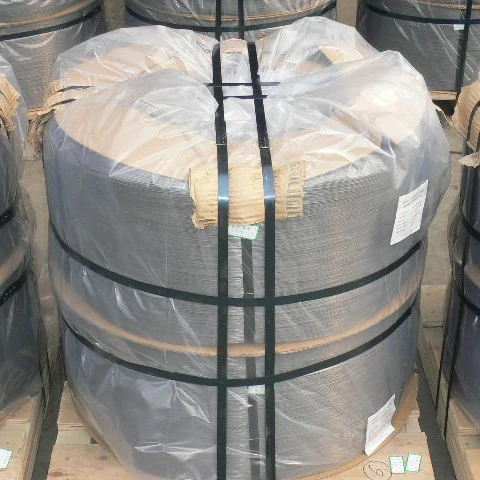

Keep the Wire Dry
Moisture is the main culprit in rusting. Therefore, it is important to store low strength steel wire in a dry place. If the wire is stored outdoors, it should be covered with a waterproof tarp to protect it from rain and snow. Avoid storing the wire on the ground, as it can absorb moisture from the soil.
Avoid Contact with Corrosive Materials
Low strength steel wire should be kept away from corrosive materials such as acids, alkalis, and salts. These materials can accelerate the rusting process. If the wire comes into contact with corrosive substances, it should be cleaned immediately with clean water and dried thoroughly.
Use Proper Packaging
When shipping or storing low strength steel wire, it is important to use proper packaging. The wire should be wrapped in a protective material, such as plastic or paper, to prevent scratches and damage. The packaging should also be labeled to indicate the type of wire and any special handling instructions.
Environmental Control
Controlling the environment where the low strength steel wire is used can also help prevent rusting.
Reduce Humidity
High humidity levels can increase the risk of rusting. In indoor environments, dehumidifiers can be used to reduce humidity. In outdoor environments, ventilation can help to reduce moisture buildup.
Protect from Chemicals
If the low strength steel wire is used in an industrial environment, it may be exposed to chemicals that can cause rusting. In such cases, it is important to take appropriate measures to protect the wire, such as using chemical-resistant coatings or enclosures.
Regular Inspection and Maintenance
Regular inspection and maintenance are essential for detecting and preventing rusting. Inspect the low strength steel wire regularly for signs of rust, such as discoloration or flaking. If rust is detected, it should be removed immediately using a wire brush or sandpaper. After removing the rust, the wire should be treated with a rust inhibitor or painted to prevent further rusting.
Comparison with Other Strengths of Steel Wire
It is worth noting that the rust prevention methods mentioned above are applicable to other strengths of steel wire as well, such as Generalstrength Steel Wire and High Strength Steel Wire. However, high strength steel wire may require more advanced surface treatment methods due to its higher susceptibility to stress corrosion cracking.
Conclusion
Preventing rusting is crucial for maintaining the quality and performance of low strength steel wire. By using surface treatment methods, proper storage and handling, environmental control, and regular inspection and maintenance, you can significantly extend the lifespan of the wire. As a supplier of low strength steel wire, we are committed to providing high-quality products and helping our customers prevent rusting. If you have any questions or need more information about our products, please feel free to contact us for procurement and further discussions.
References
- ASM Handbook Volume 13A: Corrosion: Fundamentals, Testing, and Protection. ASM International.
- ASTM International standards related to steel wire and corrosion prevention.