

How does steel wire technology influence the development of high - performance wire materials?
Hey there! As a supplier in the steel wire technology field, I've seen firsthand how this tech has been a game - changer for high - performance wire materials. In this blog, I'm gonna break down the ways steel wire technology influences the development of these top - notch wires.
Let's start with the basics. High - performance wire materials are used in a ton of industries, from automotive to construction, and even in aerospace. These wires need to be strong, durable, and able to withstand all sorts of stresses. And that's where steel wire technology comes in.
One of the key aspects of steel wire technology is the manufacturing process. We've got different techniques that can significantly enhance the properties of the wire. For example, cold drawing. Cold drawn steel wire, as you can learn more about Cold Drawn Steel Wire, is made by pulling the wire through a die at room temperature. This process not only reduces the wire's diameter but also increases its strength and hardness. The cold working aligns the grain structure of the steel, making it more resistant to deformation. In high - performance applications, like in the suspension systems of cars, cold drawn steel wire provides the necessary strength and reliability.
Another important technology is patenting. Patented steel wire, check out Patented Steel Wire, involves heat - treating the wire to achieve a specific microstructure. This process typically includes heating the wire to a high temperature and then rapidly cooling it in a lead or salt bath. The result is a wire with a fine - grained pearlitic structure, which offers excellent ductility and strength. In the construction industry, patented steel wire is often used in pre - stressed concrete structures. It can handle the high tensile forces without breaking, ensuring the long - term stability of buildings and bridges.
Surface treatment is also a big deal in steel wire technology. Phosphate coating is one such treatment. Phosphate Coating Steel Wire is coated with a phosphate layer, which provides several benefits. Firstly, it acts as a lubricant during the drawing process, reducing friction and wear on the dies. Secondly, it enhances the wire's corrosion resistance. In outdoor applications, like in fencing or cable systems, phosphate - coated steel wire can last much longer without rusting.
Now, let's talk about how these technologies are driving innovation in high - performance wire materials. With the continuous improvement of steel wire technology, we're able to develop wires with even better properties. For instance, we can now produce wires with higher strength - to - weight ratios. This is crucial in industries like aerospace, where every gram counts. Lighter yet stronger wires mean less fuel consumption and better overall performance of aircraft.
In the automotive industry, the demand for high - performance wires is constantly growing. As cars become more advanced, with features like electric power steering and advanced safety systems, the wires need to be more reliable and efficient. Steel wire technology allows us to meet these demands. We can create wires that are more flexible, have better electrical conductivity, and can withstand high temperatures.
The construction industry is also benefiting from these advancements. High - performance wires are used in new construction techniques, such as 3D printing of concrete structures. These wires can be precisely placed within the concrete to provide reinforcement, making the structures stronger and more durable.
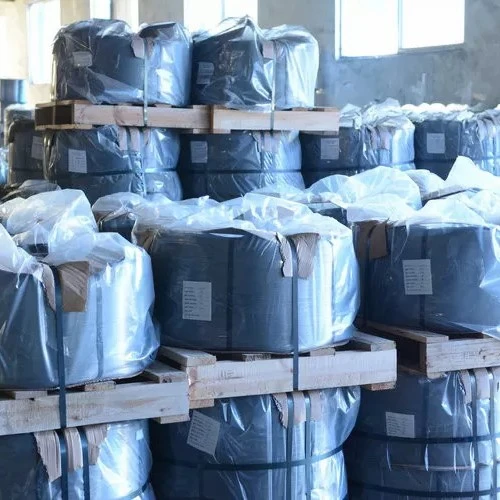
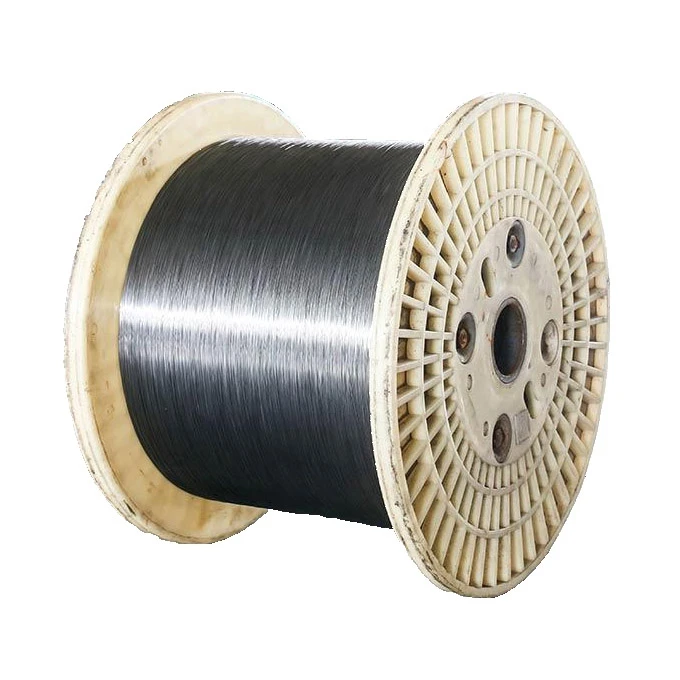
Moreover, steel wire technology is also having an impact on the environment. By producing more efficient and long - lasting wires, we're reducing the need for frequent replacements. This means less waste and a lower environmental footprint. For example, a phosphate - coated steel wire fence that lasts for decades instead of a few years due to corrosion is a win for the environment.
But it's not all smooth sailing. There are still challenges in the development of high - performance wire materials. One of the main challenges is the cost. The advanced steel wire technologies often require specialized equipment and processes, which can drive up the production cost. However, as the technology matures and economies of scale come into play, the cost is gradually coming down.
Another challenge is the competition from other materials. For example, carbon fiber is becoming more popular in some high - performance applications due to its extremely high strength - to - weight ratio. But steel wires still have their advantages, such as better electrical conductivity and lower cost in some cases.
Despite these challenges, the future looks bright for steel wire technology and high - performance wire materials. We're constantly researching and developing new techniques to further improve the properties of the wires. For example, nanotechnology is being explored to enhance the strength and toughness of steel wires at the atomic level.
In conclusion, steel wire technology has a profound influence on the development of high - performance wire materials. From the manufacturing processes like cold drawing and patenting to surface treatments like phosphate coating, these technologies are enabling us to create wires that meet the demanding requirements of various industries. If you're in the market for high - performance wire materials and want to learn more about our steel wire technology solutions, I'd love to have a chat with you. Whether you're in automotive, construction, aerospace, or any other industry, we can work together to find the best wire products for your needs. Reach out to start a procurement discussion and see how our technology can benefit your projects.
References
- "Steel Wire Handbook" by J. F. W. Bishop
- "Advanced Materials for High - Performance Applications" by various authors
- Industry reports on steel wire technology and high - performance wire materials