

Can patented steel wire be used in medical applications?
Can patented steel wire be used in medical applications? This is a question that has intrigued many in both the medical and steel industries. As a supplier of patented steel wire, I've delved deep into this topic to understand the potential and limitations of using our product in medical settings.
Understanding Patented Steel Wire
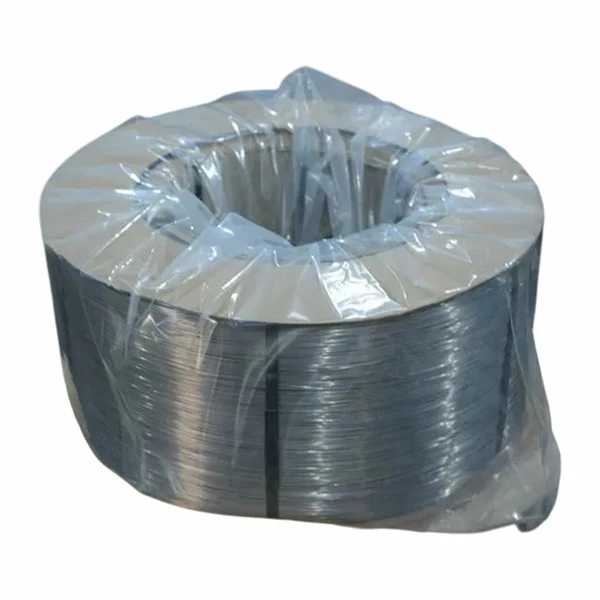
Before we explore its medical applications, let's first understand what patented steel wire is. Patented steel wire undergoes a specific heat - treatment process known as patenting. This process involves heating the steel wire to a high temperature and then rapidly cooling it in a molten salt or lead bath. The result is a wire with a fine - grained pearlitic structure, which offers excellent strength, ductility, and fatigue resistance.
There are different types of patented steel wire, each with its own unique properties and applications. For instance, Phosphate Coating Steel Wire has a phosphate coating that provides corrosion resistance and improved lubrication during further processing. Black Annealed Tie Steel Wire is annealed to make it softer and more malleable, suitable for tying applications. And Cold Drawn Steel Wire is produced by cold - drawing the wire through a die, which increases its strength and reduces its diameter.
Requirements for Medical Applications
Medical applications demand the highest standards of safety, reliability, and biocompatibility. Any material used in medical devices must be non - toxic, non - allergenic, and resistant to corrosion in the human body's physiological environment. It should also have the necessary mechanical properties to perform its intended function without failure.
For example, in orthopedic applications, the wire needs to have sufficient strength to hold bones in place during the healing process. In dental applications, it should be able to withstand the forces of chewing and biting. Additionally, the wire must be easy to sterilize to prevent infections.
Potential Medical Applications of Patented Steel Wire
Orthopedics
One of the most promising areas for the use of patented steel wire in medical applications is orthopedics. Patented steel wire can be used in bone fixation devices. Its high strength and fatigue resistance make it suitable for holding bones together after a fracture. For example, in the case of a broken femur, a patented steel wire can be used to secure the bone fragments in place, allowing the bone to heal properly.
The wire's ductility also enables it to be bent and shaped to fit the specific contours of the bone. This is crucial as different bones have different shapes and sizes, and the fixation device needs to be customized for each patient. Moreover, the corrosion resistance of the wire ensures that it can remain in the body for an extended period without causing any adverse reactions.
Dental
In the dental field, patented steel wire can be used in orthodontic appliances. Braces, for instance, rely on wires to apply gentle pressure to the teeth, gradually moving them into the correct position. The strength and flexibility of patented steel wire make it an ideal choice for this application. It can be adjusted to provide the right amount of force, and its durability ensures that it can withstand the constant movement and stress in the oral cavity.
Surgical Sutures
Another potential application is in surgical sutures. Patented steel wire can be used to create sutures for closing wounds. Its high tensile strength allows it to hold the wound edges together securely. The wire can be made thin enough to minimize tissue damage during the suturing process, and its smooth surface reduces friction, making it easier to pass through the tissue.
Challenges and Considerations
While there are many potential benefits of using patented steel wire in medical applications, there are also several challenges and considerations that need to be addressed.
Biocompatibility
Although steel is generally considered to be biocompatible, there is still a risk of an allergic reaction in some patients. The body's immune system may recognize the steel as a foreign object and mount an immune response. To mitigate this risk, the wire may need to be coated with a biocompatible material, such as titanium or a polymer.
Corrosion
Even though patented steel wire has good corrosion resistance, the harsh physiological environment in the human body can still cause corrosion over time. Corrosion products can be toxic and may cause inflammation and tissue damage. Therefore, it is essential to ensure that the wire is properly treated and coated to enhance its corrosion resistance.
Regulatory Approval
Any material used in medical applications must comply with strict regulatory requirements. Before patented steel wire can be widely used in medical devices, it needs to undergo extensive testing and obtain approval from regulatory bodies such as the Food and Drug Administration (FDA) in the United States. This process can be time - consuming and expensive, but it is necessary to ensure the safety and effectiveness of the medical products.
Conclusion
In conclusion, patented steel wire has significant potential for use in medical applications. Its excellent mechanical properties, such as high strength, ductility, and fatigue resistance, make it suitable for a variety of medical devices, including orthopedic implants, dental appliances, and surgical sutures. However, challenges such as biocompatibility, corrosion, and regulatory approval need to be carefully addressed.
As a supplier of patented steel wire, we are committed to working with medical device manufacturers to overcome these challenges. We have the expertise and resources to develop and produce high - quality wire that meets the strict requirements of the medical industry.
If you are interested in exploring the use of patented steel wire in your medical applications, I encourage you to contact us for further discussion and potential collaboration. We can provide you with samples for testing and work with you to develop customized solutions that meet your specific needs.

References
- ASTM International. (20XX). Standards related to steel wire for medical applications.
- Journal of Biomedical Materials Research. Various articles on the biocompatibility and mechanical properties of metals in medical devices.
- FDA guidelines for medical device materials.