

How does heat treatment affect carbon steel wire?
Heat treatment is a crucial process in the manufacturing of carbon steel wire, significantly influencing its mechanical properties, microstructure, and overall performance. As a carbon steel wire supplier, I have witnessed firsthand the transformative effects of heat treatment on our products. In this blog post, I will delve into the various ways heat treatment impacts carbon steel wire and why it matters for different applications.
Understanding Carbon Steel Wire
Carbon steel wire is a versatile material widely used in numerous industries, including construction, automotive, manufacturing, and agriculture. Its properties, such as strength, ductility, and hardness, are primarily determined by its carbon content and the manufacturing processes it undergoes. Carbon steel wire can be classified into low carbon, medium carbon, and high carbon steel based on its carbon content, with each type offering distinct characteristics suitable for specific applications.
The Basics of Heat Treatment
Heat treatment involves heating and cooling carbon steel wire under controlled conditions to alter its microstructure and properties. The three main stages of heat treatment are heating, soaking, and cooling. During the heating stage, the wire is heated to a specific temperature, known as the austenitizing temperature, which transforms the steel's microstructure into austenite. The soaking stage allows the austenite to homogenize, ensuring uniform properties throughout the wire. Finally, the cooling stage determines the final microstructure and properties of the wire, with different cooling rates resulting in various microstructures and mechanical properties.
Effects of Heat Treatment on Carbon Steel Wire
1. Hardness and Strength
One of the most significant effects of heat treatment on carbon steel wire is the improvement of hardness and strength. By heating the wire to the austenitizing temperature and then rapidly cooling it, a process known as quenching, the austenite transforms into martensite, a hard and brittle microstructure. This results in a significant increase in the wire's hardness and strength, making it suitable for applications requiring high wear resistance and load-bearing capacity, such as High Carbon Steel Wire Rope used in lifting and rigging operations.
However, quenching alone can make the wire too brittle, which may lead to cracking and failure under stress. To mitigate this, a subsequent tempering process is often employed. Tempering involves reheating the quenched wire to a lower temperature and then cooling it slowly. This process reduces the brittleness of the martensite and improves the wire's toughness and ductility while maintaining a high level of hardness and strength.
2. Ductility and Formability
Heat treatment can also enhance the ductility and formability of carbon steel wire. By heating the wire to a specific temperature and then cooling it slowly, a process known as annealing, the wire's microstructure becomes more uniform and less stressed. This results in a decrease in hardness and an increase in ductility, making the wire easier to bend, shape, and form without cracking or breaking. Annealed carbon steel wire is commonly used in applications such as wire weaving, fencing, and spring manufacturing, where good formability is essential.
Another heat treatment process that can improve the ductility of carbon steel wire is normalizing. Normalizing involves heating the wire to a temperature slightly above the austenitizing temperature and then cooling it in air. This process refines the grain structure of the steel, resulting in improved mechanical properties, including increased ductility and toughness. Normalized carbon steel wire is often used in applications where a balance of strength and ductility is required, such as in the manufacturing of bolts, nuts, and other fasteners.
3. Microstructure and Grain Size
Heat treatment plays a crucial role in controlling the microstructure and grain size of carbon steel wire. The microstructure of the wire determines its mechanical properties, such as hardness, strength, ductility, and toughness. By carefully controlling the heating and cooling processes, the microstructure of the wire can be tailored to meet specific application requirements.
For example, a fine-grained microstructure is generally associated with higher strength and toughness, while a coarse-grained microstructure may result in lower strength and ductility. Heat treatment processes such as annealing, normalizing, and quenching and tempering can be used to refine the grain structure of the steel, improving its mechanical properties. Additionally, heat treatment can also be used to transform the steel's microstructure into different phases, such as ferrite, pearlite, bainite, and martensite, each with its own unique properties.
4. Corrosion Resistance
Heat treatment can also affect the corrosion resistance of carbon steel wire. By heating the wire to a specific temperature and then cooling it slowly, a process known as stress relieving, the internal stresses in the wire are reduced, which can help prevent corrosion. Additionally, some heat treatment processes, such as nitriding and carburizing, can be used to improve the corrosion resistance of carbon steel wire by forming a hard, protective layer on the surface of the wire.
Nitriding involves heating the wire in a nitrogen-rich atmosphere, which diffuses nitrogen into the surface of the steel, forming a hard, wear-resistant nitride layer. This layer provides excellent corrosion resistance and can also improve the wire's hardness and strength. Carburizing, on the other hand, involves heating the wire in a carbon-rich atmosphere, which diffuses carbon into the surface of the steel, forming a high-carbon layer. This layer can improve the wire's hardness, wear resistance, and corrosion resistance.
Applications of Heat-Treated Carbon Steel Wire
The unique properties of heat-treated carbon steel wire make it suitable for a wide range of applications across various industries. Some of the common applications of heat-treated carbon steel wire include:
- Spring Manufacturing: Heat-treated carbon steel wire is widely used in the manufacturing of springs, such as compression springs, extension springs, and torsion springs. The high strength, ductility, and fatigue resistance of heat-treated wire make it ideal for applications where the spring needs to withstand repeated loading and unloading cycles without losing its shape or performance. High Carbon Patented Spring Steel Wire is a popular choice for spring manufacturing due to its excellent combination of strength and ductility.
- Wire Rope and Cable Manufacturing: Heat-treated carbon steel wire is also used in the manufacturing of wire ropes and cables, which are used in a variety of applications, including lifting, rigging, and suspension systems. The high strength and toughness of heat-treated wire make it suitable for applications where a high load-bearing capacity and resistance to wear and fatigue are required. High Carbon Steel Wire Rope is commonly used in heavy-duty applications such as mining, construction, and offshore oil and gas operations.
- Fastener Manufacturing: Heat-treated carbon steel wire is used in the manufacturing of bolts, nuts, screws, and other fasteners. The high strength and hardness of heat-treated wire make it suitable for applications where the fasteners need to withstand high tensile and shear forces without failing. Additionally, the good formability of heat-treated wire allows for easy manufacturing of complex fastener shapes.
- Automotive and Aerospace Industries: Heat-treated carbon steel wire is used in a variety of automotive and aerospace applications, such as engine components, suspension systems, and aircraft landing gear. The high strength, fatigue resistance, and corrosion resistance of heat-treated wire make it suitable for applications where reliability and performance are critical.
Conclusion
Heat treatment is a vital process in the manufacturing of carbon steel wire, with significant effects on its mechanical properties, microstructure, and overall performance. By carefully controlling the heat treatment process, we can tailor the properties of the wire to meet specific application requirements, making it suitable for a wide range of industries and applications.
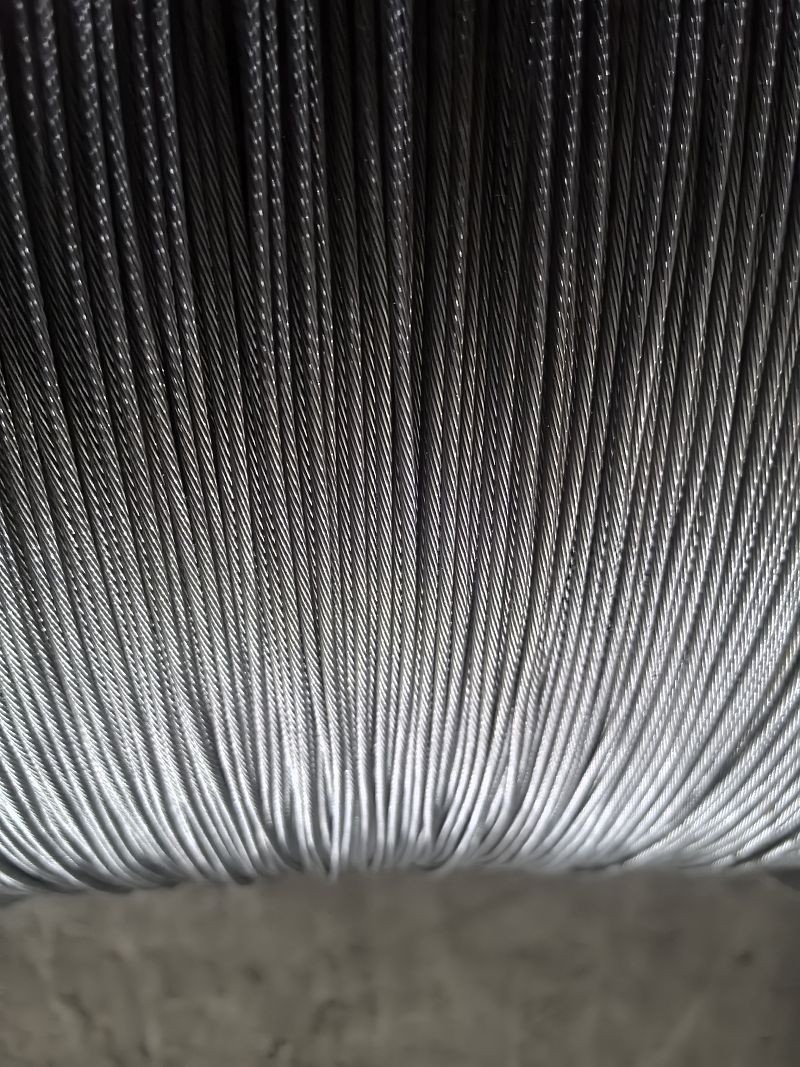

As a carbon steel wire supplier, we understand the importance of heat treatment in producing high-quality wire products. We use advanced heat treatment technologies and equipment to ensure that our wires meet the highest standards of quality and performance. Whether you need High Carbon Patented Spring Steel Wire, High Carbon Steel Wire Rope, or Ungalvanized High Carbon Patented Steel Wire, we have the expertise and capabilities to provide you with the right solution for your needs.
If you are interested in learning more about our carbon steel wire products or would like to discuss your specific requirements, please feel free to contact us. Our team of experts is always ready to assist you and provide you with the best possible solutions.
References
- ASM Handbook, Volume 4: Heat Treating, ASM International
- Metals Handbook: Properties and Selection: Irons, Steels, and High-Performance Alloys, ASM International
- Steel Heat Treatment: Metallurgy and Technologies, L. C. Zhang and Y. F. Zhang