

Can rectangular steel wire be used in medical devices?
As a supplier of Rectangular Steel Wire, I've often been asked about its potential applications in the medical field. This question stems from the growing demand for innovative materials in medical device manufacturing, where performance, reliability, and biocompatibility are of utmost importance. In this blog post, I'll explore the feasibility of using rectangular steel wire in medical devices, considering its properties, advantages, and limitations.
Properties of Rectangular Steel Wire
Rectangular steel wire is a specialized form of steel wire with a rectangular cross - section. This unique shape offers several distinct properties that make it an interesting candidate for medical applications.
Mechanical Strength
Steel is known for its high mechanical strength. Rectangular steel wire can withstand significant tensile, compressive, and bending forces. This strength is crucial in medical devices that need to support or manipulate tissues, such as surgical instruments or orthopedic implants. For example, in orthopedic surgery, the wire may be used to create fixation devices that need to hold bones in place during the healing process. The high strength of rectangular steel wire ensures that these devices can maintain their shape and function under the stress of normal body movements.
Precision and Customization
The manufacturing process of rectangular steel wire allows for a high degree of precision in terms of dimensions. We can produce wires with very accurate thicknesses and widths, which is essential in medical devices where even small variations can have a significant impact on performance. Moreover, rectangular steel wire can be customized to meet specific design requirements. Whether it's a particular aspect ratio or a specific surface finish, we can tailor the wire to fit the needs of different medical applications.
Durability
Steel is a durable material that can resist corrosion and wear. In a medical environment, where devices may be exposed to bodily fluids, disinfectants, and repeated use, durability is a key factor. Rectangular steel wire can maintain its integrity over time, reducing the need for frequent replacement of medical devices and minimizing the risk of device failure.
Advantages of Using Rectangular Steel Wire in Medical Devices
Space - Efficient Design
The rectangular shape of the wire allows for more efficient use of space compared to Round Steel Wire. In medical devices where space is limited, such as in minimally invasive surgical tools or implantable devices, rectangular steel wire can be arranged in a more compact manner. This enables the development of smaller and more portable medical devices, which can improve patient comfort and the ease of medical procedures.
Enhanced Functionality
The flat surface of rectangular steel wire can provide better contact and interaction with other components in a medical device. For example, in a sensor device, the flat surface can be used to mount electrodes or other sensing elements more effectively, leading to improved signal transmission and accuracy. Additionally, the rectangular shape can offer better grip and control in surgical instruments, allowing surgeons to perform more precise maneuvers.
Cost - Effectiveness
Compared to some specialized medical - grade materials, rectangular steel wire can be a more cost - effective option. Steel is a widely available material, and the manufacturing processes for rectangular steel wire are well - established, which helps to keep production costs down. This cost - effectiveness can make medical devices more accessible to patients and healthcare providers, especially in resource - limited settings.
Limitations and Challenges
Biocompatibility
One of the main challenges of using rectangular steel wire in medical devices is ensuring its biocompatibility. The human body can react to foreign materials, and steel may cause an immune response or other adverse reactions if it is not properly treated. However, through surface treatments such as passivation or coating with biocompatible materials, we can improve the biocompatibility of rectangular steel wire. For example, a thin layer of titanium nitride or a polymer coating can be applied to the wire to reduce the risk of corrosion and minimize the body's reaction.
Magnetic Properties
Steel is a ferromagnetic material, which means it can be affected by magnetic fields. In medical applications such as magnetic resonance imaging (MRI), the presence of ferromagnetic materials can cause artifacts in the images and may even pose a safety risk to the patient. Therefore, in devices that need to be used in an MRI environment, special considerations need to be taken to ensure that the rectangular steel wire does not interfere with the imaging process.
Applications of Rectangular Steel Wire in Medical Devices
Surgical Instruments
Rectangular steel wire can be used in the manufacturing of various surgical instruments. For example, it can be used to create the cutting edges of scalpels or the jaws of forceps. The high strength and precision of the wire allow for the production of sharp and durable surgical tools. Additionally, the rectangular shape can provide better control and maneuverability during surgical procedures.
Orthopedic Devices
In orthopedics, rectangular steel wire can be used in bone fixation devices such as plates, screws, and wires. The wire can be used to secure bones together, providing stability during the healing process. Its high strength and durability make it suitable for withstanding the mechanical stresses in the skeletal system.
Dental Devices
Dental applications also benefit from rectangular steel wire. It can be used in orthodontic appliances, such as braces and retainers. The wire's ability to be customized in terms of shape and size allows for precise alignment of teeth. The flat surface of the rectangular wire can also provide better contact with the teeth, improving the effectiveness of the orthodontic treatment.
Conclusion
In conclusion, rectangular steel wire has significant potential for use in medical devices. Its unique properties, such as high mechanical strength, precision, and durability, offer several advantages in terms of functionality, space - efficiency, and cost - effectiveness. However, challenges such as biocompatibility and magnetic properties need to be addressed through appropriate surface treatments and design considerations.
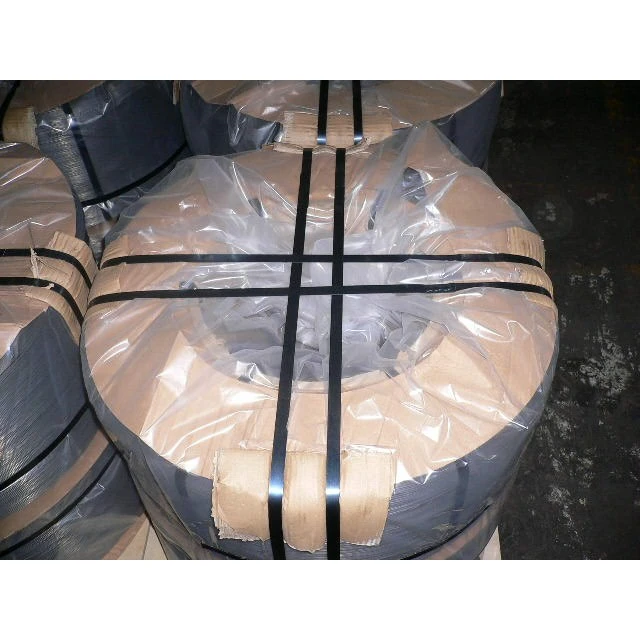

If you are in the medical device manufacturing industry and are interested in exploring the use of Rectangular Steel Wire in your products, we would be delighted to discuss your specific requirements. Our team of experts can provide you with detailed information about the properties and customization options of our rectangular steel wire. We also offer Cold Rolled Flat Steel Wire Strips that may be suitable for your applications.
Contact us today to start a conversation about how our rectangular steel wire can enhance the performance and functionality of your medical devices.
References
- ASTM International. (20XX). Standard specifications for steel wire used in medical applications.
- Smith, J. et al. (20XX). Biocompatibility of metallic materials in medical devices. Journal of Biomedical Materials Research.
- Johnson, R. (20XX). Design considerations for using steel in medical device manufacturing. Medical Device Technology Magazine.