

What materials can be treated by traditional phosphating?
As a supplier in the traditional phosphating business, I often get asked about what materials can be treated using traditional phosphating methods. Well, let me tell you, the list is pretty extensive.
First off, let's talk about steel. Steel is one of the most common materials treated with traditional phosphating. Whether it's mild steel, medium-carbon steel, or high-carbon steel, phosphating works like a charm. The process helps in forming a phosphate coating on the steel surface. This coating is super useful as it provides corrosion resistance. You know, steel is prone to rusting, especially when it's exposed to the elements. The phosphate coating acts as a barrier, preventing oxygen and moisture from reaching the steel and thus slowing down the rusting process.
For example, in the automotive industry, steel parts such as chassis components and engine parts are often phosphated. This helps in protecting these parts during storage and transportation, and also enhances their paint adhesion. When you paint a phosphated steel surface, the paint bonds much better to the phosphate coating, resulting in a longer - lasting and more durable paint finish.
If you're interested in the phosphating agents for steel, we offer Immersion Line Phosphatizing Agents. These agents are specifically formulated for the immersion line process, which is great for treating large steel parts.
Another material that can be treated is iron. Similar to steel, iron is also susceptible to corrosion. Traditional phosphating can significantly improve its corrosion resistance. In the manufacturing of machinery, iron castings are often phosphated. This not only protects the iron from rust but also improves its wear resistance. The phosphate coating provides a smooth surface that reduces friction between moving parts, which in turn extends the lifespan of the machinery.
We also have Phosphatizing Agents for Continuous Line. This type of agent is perfect for continuous production lines where iron parts are being treated one after another. It ensures a consistent phosphate coating on all the parts.
Now, let's move on to zinc. Zinc is a metal that is commonly used in galvanizing processes, but it can also benefit from phosphating. Phosphating zinc can improve its paint adhesion and also provide some additional corrosion protection. In the electronics industry, zinc components are sometimes phosphated before painting or powder coating. This helps in creating a better bond between the coating and the zinc surface, ensuring that the coating doesn't peel off easily.
Aluminum is another interesting case. While aluminum has its own natural oxide layer that provides some corrosion resistance, traditional phosphating can enhance this protection even further. Phosphating aluminum can also improve its paintability. In the aerospace and construction industries, aluminum parts are often phosphated. For instance, aluminum frames in buildings are phosphated to protect them from environmental factors and to make them more suitable for painting or powder coating.
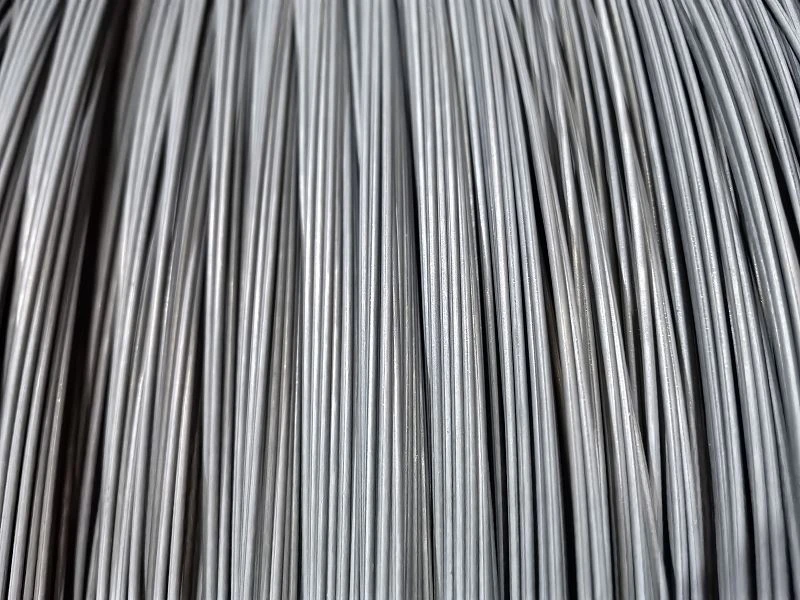
Cold - drawn steel is a special type of steel that has unique properties. It has a smooth surface and high strength. Traditional phosphating can be applied to cold - drawn steel to improve its formability and corrosion resistance. In the production of wires and rods, cold - drawn steel is often phosphated. Our Cold - drawn Steel Phosphatizing Agents are designed specifically for this type of steel. They can form a uniform and dense phosphate coating on the cold - drawn steel surface, which is essential for its subsequent processing.
In addition to these metals, some metal alloys can also be treated with traditional phosphating. For example, brass and bronze alloys can be phosphated to improve their appearance and corrosion resistance. In the jewelry and decorative industries, brass and bronze items are sometimes phosphated to give them a unique finish and protect them from tarnishing.
The process of traditional phosphating involves several steps. First, the material needs to be cleaned thoroughly to remove any dirt, oil, or grease. This is crucial because any contaminants on the surface can prevent the phosphate coating from forming properly. After cleaning, the material is dipped into a phosphating solution. The solution contains phosphoric acid and metal salts, which react with the metal surface to form a phosphate coating. The time and temperature of the immersion can vary depending on the type of material and the desired coating thickness.
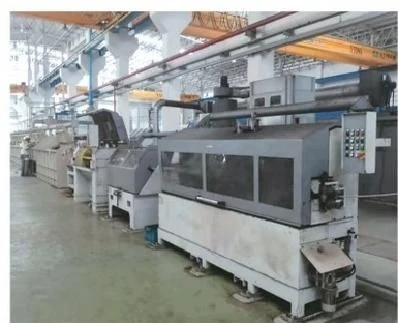
Once the phosphate coating is formed, the material is usually rinsed with water to remove any residual phosphating solution. Then, it can be dried or further treated, such as painting or oiling, depending on the application.
If you're in the business of manufacturing products using these materials and are looking for a reliable traditional phosphating solution, we're here to help. We've got a wide range of phosphating agents that are formulated to meet different needs. Whether you need agents for immersion line, continuous line, or cold - drawn steel, we've got you covered.
If you want to discuss your specific requirements or have any questions about our traditional phosphating products, don't hesitate to reach out. We can have a detailed chat about how our products can fit into your production process and help you achieve the best results.
References
- "Metal Finishing Guidebook" by George S. Brady
- "Corrosion and Corrosion Control" by H. H. Uhlig and R. W. Revie