

Can round steel wire be used for cable making?
Hey there! As a supplier of Round Steel Wire, I often get asked if round steel wire can be used for cable making. Well, let's dive right into this topic and find out.
First off, what makes round steel wire a potential candidate for cable making? Round steel wire has some pretty cool properties. It's strong and durable. The circular cross - section gives it a uniform distribution of stress when it's under tension. This means that it can handle a good amount of pulling force without breaking easily.
When we talk about cables, they are used in a wide range of applications, from electrical wiring to suspension bridges. For electrical cables, the conductivity of the wire is crucial. While steel isn't as conductive as copper or aluminum, it still has some conductivity. And in some cases where mechanical strength is more important than high - level conductivity, round steel wire can be a great option.

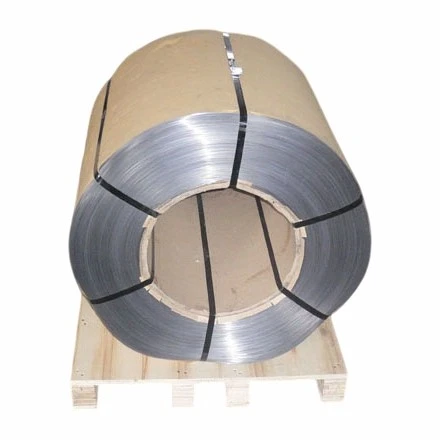
In construction and heavy - duty applications, like cable - stayed bridges or large - scale cranes, the strength of the cable is of utmost importance. Round steel wire can be twisted together to form strands, and multiple strands can then be combined to make a cable. This way, the overall strength of the cable is significantly increased. The round shape of the wire allows for easy twisting and bundling, ensuring a tight and stable structure.
Now, let's talk about the manufacturing process. Making cables from round steel wire is relatively straightforward. The wire can be drawn to the desired diameter, which is an important step as it affects the cable's strength and flexibility. After drawing, the wire can be heat - treated to improve its mechanical properties. Heat treatment can increase the hardness and toughness of the wire, making it more suitable for demanding applications.
One of the concerns when using round steel wire for cable making is corrosion. Steel is prone to rusting when exposed to moisture and oxygen. But don't worry, there are solutions. The wire can be coated with various materials like zinc or polymer coatings. Zinc coating, also known as galvanizing, creates a protective layer on the surface of the wire, preventing rust from forming. Polymer coatings can also provide a barrier against moisture and other corrosive agents.
Another aspect to consider is the cost. Compared to some other materials used for cable making, round steel wire is often more cost - effective. This makes it an attractive option for projects with budget constraints. You can get a high - quality cable at a relatively lower price when using round steel wire.
However, round steel wire might not be suitable for every cable - making application. For example, in high - frequency electrical applications, the skin effect becomes a problem. The skin effect causes the current to flow mainly on the surface of the conductor. Since steel has a higher resistance compared to copper, using round steel wire in such applications can lead to energy losses.
If you're interested in other types of steel wire, we also offer Cold Rolled Flat Steel Wire Strips and Rectangular Steel Wire. Cold - rolled flat steel wire strips have a different cross - section, which can be useful in applications where a flat surface is required. Rectangular steel wire, on the other hand, offers unique properties that might be more suitable for specific projects.
In conclusion, round steel wire can definitely be used for cable making in many cases. Its strength, durability, and cost - effectiveness make it a viable option for a wide range of applications. Whether it's for construction, heavy machinery, or some less - demanding electrical applications, round steel wire can do the job.
If you're thinking about using round steel wire for your cable - making project, I'd love to have a chat with you. We can discuss your specific requirements and see how our Round Steel Wire can meet them. Don't hesitate to reach out if you have any questions or want to start a procurement discussion.
References:
- "Handbook of Steel Wire Technology"
- "Cable Engineering and Installation Guide"