

How to protect rectangular steel wire during long - term storage?
As a supplier of Rectangular Steel Wire, I understand the significance of proper long - term storage to maintain the quality of this product. Rectangular steel wire is widely used in various industries, such as construction, automotive, and manufacturing. Ensuring its protection during long - term storage is crucial to meet the high - quality requirements of our customers. In this blog, I will share some effective methods on how to protect rectangular steel wire during long - term storage.
1. Storage Environment
The storage environment plays a vital role in protecting rectangular steel wire. Steel is prone to corrosion, especially in the presence of moisture and oxygen. Therefore, it is essential to choose a dry and well - ventilated storage area.
-
Humidity Control: High humidity can accelerate the corrosion process of steel wire. The ideal relative humidity in the storage area should be maintained below 60%. If the humidity is high, dehumidifiers can be installed to reduce the moisture content in the air. For example, in coastal areas where the air is more humid, dehumidifiers are a must - have equipment in the storage warehouse.
-
Temperature: Extreme temperatures can also affect the quality of rectangular steel wire. Fluctuations in temperature can cause expansion and contraction of the wire, which may lead to internal stress and potential damage. The storage temperature should be kept relatively stable, preferably between 10°C and 30°C.
-
Ventilation: Good ventilation helps to remove moisture and prevent the accumulation of corrosive gases. The storage area should have proper ventilation systems, such as exhaust fans or natural ventilation openings. This can ensure that the air inside the warehouse is constantly refreshed, reducing the risk of corrosion.
2. Packaging
Proper packaging is another key factor in protecting rectangular steel wire during long - term storage.
-
Initial Packaging: When the rectangular steel wire is first produced, it should be carefully packaged. A layer of anti - rust paper can be wrapped around the wire to provide a basic barrier against moisture and oxygen. The anti - rust paper contains special chemicals that can inhibit the corrosion process.
-
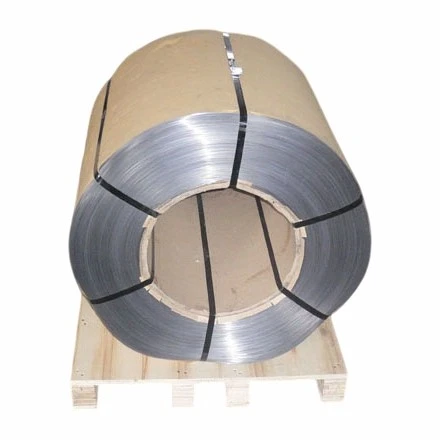
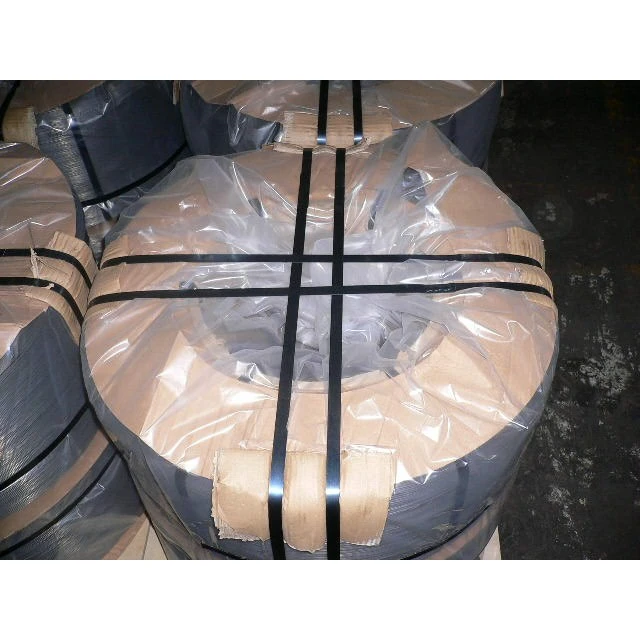
Outer Packaging: After wrapping with anti - rust paper, the wire should be placed in a sturdy outer packaging. For example, it can be packed in wooden crates or steel drums. These outer packages not only protect the wire from physical damage but also provide an additional layer of protection against environmental factors.
-
Sealing: The outer packaging should be well - sealed to prevent the entry of moisture and dust. Sealing materials such as plastic film or rubber gaskets can be used to ensure a tight seal. This can effectively isolate the wire from the external environment and reduce the risk of corrosion.
3. Surface Treatment
Applying appropriate surface treatments can significantly enhance the corrosion resistance of rectangular steel wire.
-
Galvanizing: Galvanizing is a common surface treatment method for steel wire. It involves coating the wire with a layer of zinc, which acts as a sacrificial anode. Zinc corrodes preferentially to steel, protecting the underlying steel from rusting. Galvanized rectangular steel wire has a longer service life and better corrosion resistance, making it suitable for long - term storage.
-
Painting: Another option is to paint the surface of the rectangular steel wire. Paint can form a physical barrier between the steel and the environment, preventing moisture and oxygen from coming into contact with the wire. Special anti - rust paints are available in the market, which are designed to provide long - lasting protection.
-
Oil Coating: Applying a thin layer of oil on the surface of the wire can also prevent corrosion. The oil forms a protective film that repels moisture and inhibits the oxidation process. However, it should be noted that the oil coating needs to be periodically replenished to maintain its effectiveness.
4. Storage Arrangement
Proper storage arrangement can prevent physical damage to rectangular steel wire.
-
Stacking: When stacking the wire, it should be done in a stable and organized manner. The wire coils or bundles should be stacked evenly to avoid excessive pressure on the lower layers. If the wire is stacked too high or unevenly, it may cause deformation or damage to the wire.
-
Separation: Different batches or specifications of rectangular steel wire should be separated during storage. This can prevent confusion and ensure that the wire can be easily identified and accessed when needed. Additionally, separating different types of wire can also prevent potential chemical reactions between them.
-
Avoid Contact with Other Metals: Rectangular steel wire should be stored away from other metals, especially those that are more reactive. Contact between different metals can cause galvanic corrosion, which can accelerate the rusting process of the steel wire.
5. Regular Inspection
Regular inspection is necessary to detect any potential problems with the rectangular steel wire during long - term storage.
-
Visual Inspection: Periodically, the wire should be visually inspected for signs of corrosion, damage, or deformation. Any rust spots or scratches should be promptly addressed to prevent further deterioration.
-
Testing: In addition to visual inspection, some simple tests can be conducted to assess the quality of the wire. For example, the hardness and tensile strength of the wire can be tested at regular intervals to ensure that its mechanical properties are still within the acceptable range.
-
Record - keeping: It is important to keep detailed records of the inspection results. This can help to track the condition of the wire over time and identify any trends or patterns in the occurrence of problems.
In conclusion, protecting rectangular steel wire during long - term storage requires a comprehensive approach that includes controlling the storage environment, proper packaging, surface treatment, storage arrangement, and regular inspection. By following these methods, we can ensure that the rectangular steel wire maintains its quality and performance, meeting the high - standards of our customers.
If you are interested in our Rectangular Steel Wire, Cold Rolled Flat Steel Wire Strips or Round Steel Wire, please feel free to contact us for further procurement discussions. We are committed to providing high - quality products and excellent service to our customers.
References
- ASM Handbook Committee. (2004). ASM Handbook, Volume 13A: Corrosion: Fundamentals, Testing, and Protection. ASM International.
- ASTM International. (2019). ASTM Standards on Steel and Related Alloys. ASTM International.