

How does carbon steel wire compare to stainless steel wire?
When it comes to choosing the right wire for various applications, the decision between carbon steel wire and stainless steel wire is a common dilemma. As a carbon steel wire supplier, I've had numerous conversations with clients grappling with this exact choice. In this blog post, I'll delve into the key differences between carbon steel wire and stainless steel wire, exploring their properties, applications, advantages, and limitations.
Composition and Basic Properties
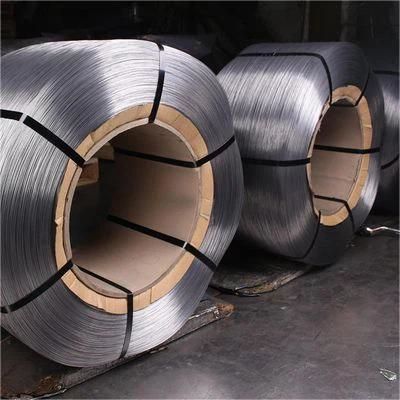
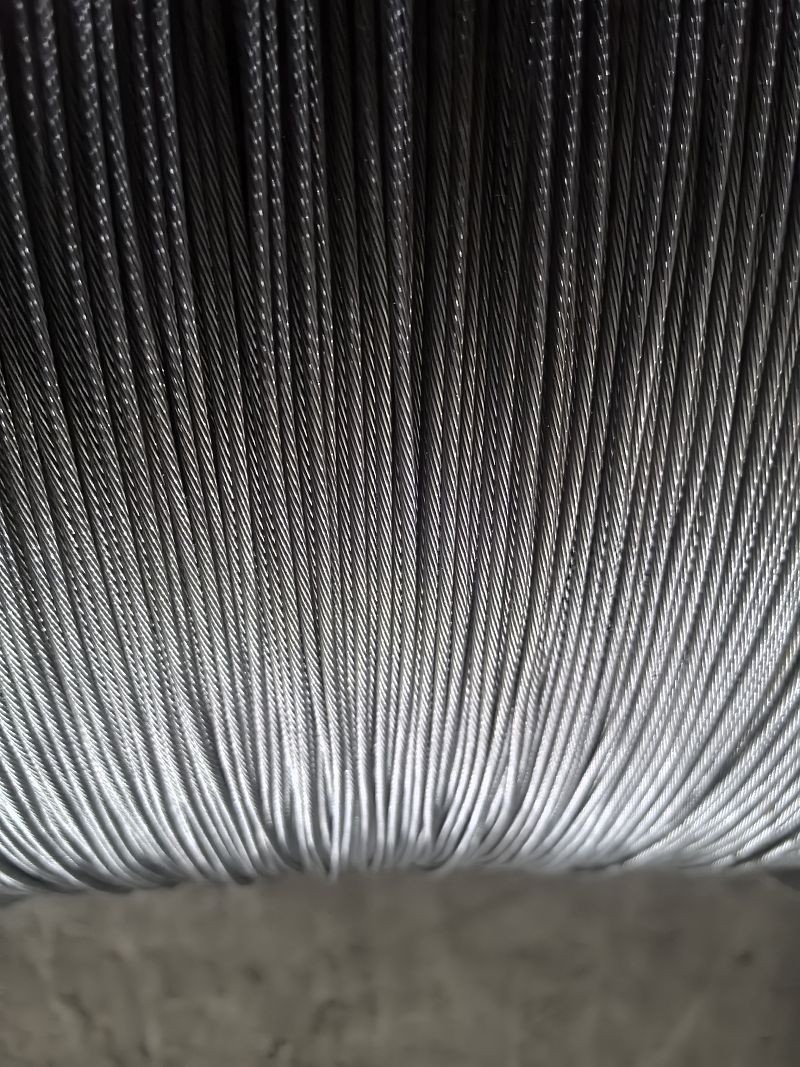
Carbon steel wire is primarily made of iron and carbon, with carbon content typically ranging from 0.05% to 2.1%. The amount of carbon significantly impacts the wire's hardness, strength, and ductility. Higher carbon content generally leads to greater strength and hardness but reduced ductility. There are different types of carbon steel wire, such as High Carbon Steel Wire Rope, Cold Drawn High Carbon Steel Wire, and Cold Drawn High Carbon Spring Steel Wire. These types are often used in applications that require high tensile strength, like industrial lifting operations for the high - carbon wire rope or for making high - performance springs in machinery.
On the other hand, stainless steel wire is an alloy that contains iron, chromium (usually at least 10.5%), and often other elements such as nickel, molybdenum, and manganese. The chromium in stainless steel forms a thin, invisible oxide layer on the surface, which gives the wire its corrosion - resistant properties. Stainless steel wire can be classified into different grades, such as austenitic, ferritic, and martensitic, each with unique properties suitable for specific applications.
Strength and Durability
In terms of strength, carbon steel wire can offer extremely high tensile strength, especially high - carbon varieties. The cold - drawing process used in manufacturing carbon steel wire can further enhance its strength. For example, cold - drawn high - carbon steel wire can withstand significant pulling forces without breaking, making it ideal for applications like construction, where it's used in applications such as pre - stressed concrete and fencing.
However, carbon steel is more prone to corrosion compared to stainless steel. When exposed to moisture, oxygen, and certain chemicals, carbon steel can rust quickly. Rust not only affects the aesthetic appearance of the wire but also weakens its structure over time. To mitigate this, carbon steel wire can be coated with various materials such as zinc (galvanization) or paint, but these coatings have a limited lifespan and may require maintenance.
Stainless steel wire, due to its corrosion - resistant nature, offers excellent long - term durability in harsh environments. It can withstand exposure to moisture, saltwater, and chemicals without significant degradation. This makes it a popular choice for outdoor applications, marine environments, and food processing industries where hygiene and corrosion resistance are crucial. While stainless steel wire also has good strength, its strength may vary depending on the grade. Some austenitic stainless steel grades are not as strong as high - carbon steel wire but offer better corrosion resistance and formability.
Cost
Cost is a significant factor in the decision - making process. Carbon steel wire is generally more affordable than stainless steel wire. The raw materials for carbon steel are more abundant, and the manufacturing process is relatively simpler, which contributes to its lower cost. This makes carbon steel wire an attractive option for large - scale projects where cost is a major concern, such as construction and general industrial applications.
Stainless steel wire, on the other hand, is more expensive due to the higher cost of the alloying elements, such as chromium and nickel, and the more complex manufacturing processes. The price can vary widely depending on the grade of stainless steel. However, when considering the long - term cost, stainless steel wire may be more cost - effective in applications where corrosion resistance is essential, as it may reduce the need for frequent replacement and maintenance.
Applications
Carbon steel wire finds extensive use in a wide range of industries. In construction, it's used for reinforcement in concrete structures, making wire mesh for fencing, and in suspension bridges. The high - strength properties of high - carbon steel wire ropes make them suitable for lifting heavy loads in industrial settings. In the automotive industry, carbon steel wire is used for making springs, like valve springs and clutch springs. It's also used in the manufacturing of nails, screws, and other fasteners.
Stainless steel wire is commonly used in applications where corrosion resistance is paramount. In the food and beverage industry, it's used for conveyor belts, sieves, and storage equipment due to its hygienic and corrosion - resistant properties. In the medical field, stainless steel wire is used for surgical instruments, orthodontic wires, and implants. In the marine industry, it's used for rigging, mooring lines, and underwater structures because of its ability to withstand the harsh saltwater environment.
Formability and Weldability
Carbon steel wire is generally more formable than some grades of stainless steel wire. The lower carbon content varieties of carbon steel can be easily bent, shaped, and twisted to meet specific design requirements. This makes it a popular choice in wire - forming applications, such as manufacturing wire baskets, frames, and decorative items. In terms of weldability, carbon steel wire can be weldable with appropriate techniques. However, the weld quality can be affected by the carbon content and the presence of impurities. Higher carbon content can lead to increased hardness and brittleness in the weld zone, requiring pre - heating and post - weld heat treatment to ensure a strong and ductile weld.
Stainless steel wire also has good formability, especially the austenitic grades, which can be cold - worked extensively without cracking. Austenitic stainless steel wire can be formed into complex shapes, making it suitable for applications such as jewelry making and architectural wirework. Stainless steel wire is generally weldable, but the welding process needs to be carefully controlled to prevent the formation of chromium carbide precipitates, which can reduce the corrosion resistance of the weld area. Different welding methods, such as TIG (Tungsten Inert Gas) welding, are often used to ensure high - quality welds in stainless steel wire.
Environmental Considerations
From an environmental perspective, both carbon steel wire and stainless steel wire have their pros and cons. Carbon steel is highly recyclable, and the recycling process consumes less energy compared to producing virgin steel. However, the production of carbon steel can generate a significant amount of carbon dioxide emissions, especially if the steel is produced from coal - based processes. Additionally, the rusting of carbon steel can lead to environmental contamination if not properly managed.
Stainless steel is also 100% recyclable, and its long - term durability reduces the need for frequent replacement, which in turn reduces waste generation. The production of stainless steel, however, requires more energy and resources due to the addition of alloying elements. But considering its long lifespan and high recyclability, stainless steel can be a more sustainable option in the long run for applications where corrosion resistance is necessary.
Conclusion
In conclusion, the choice between carbon steel wire and stainless steel wire depends on several factors, including the specific application, budget, environmental conditions, and required performance. As a carbon steel wire supplier, I understand the unique advantages that carbon steel wire offers, such as high strength and cost - effectiveness. Our High Carbon Steel Wire Rope, Cold Drawn High Carbon Steel Wire, and Cold Drawn High Carbon Spring Steel Wire are designed to meet the diverse needs of our clients in various industries.
However, I also recognize that there are situations where stainless steel wire is the better choice, especially in applications where corrosion resistance is a top priority. If you're unsure which type of wire is best for your project, I'm here to help. I can provide you with detailed information, samples if needed, and technical support to assist you in making an informed decision. Whether you're in the construction, automotive, food processing, or any other industry, I'm confident that we can find the right carbon steel wire solution for you. Contact me to start a conversation about your wire requirements and let's explore the possibilities together.
References
- ASM Handbook Committee. (1997). ASM Handbook Volume 1: Properties and Selection: Irons, Steels, and High - Performance Alloys. ASM International.
- Degarmo, E. P., Black, J. T., & Kohser, R. A. (2003). Materials and Processes in Manufacturing. John Wiley & Sons.
- Schaeffler, A. L. (1949). Constitution diagram for stainless steel weld metals. Welding Journal, 28(5), 219 - 228.