

How does the carbon content affect the properties of uncoated steel wire?
Carbon is one of the most crucial elements in determining the properties of uncoated steel wire. As a supplier of uncoated steel wire, I've witnessed firsthand how varying carbon content can lead to significant differences in the wire's characteristics. In this blog, I'll delve into how the carbon content affects the properties of uncoated steel wire, exploring aspects such as strength, ductility, hardness, and more.
Strength
Strength is a fundamental property of steel wire, and carbon plays a pivotal role in determining it. Generally, as the carbon content in uncoated steel wire increases, its strength also increases. This is because carbon atoms are much smaller than iron atoms, and when dissolved in the iron lattice, they create lattice distortions. These distortions impede the movement of dislocations, which are the primary carriers of plastic deformation in metals. As a result, more force is required to cause the wire to deform, leading to higher strength.
For low - carbon uncoated steel wire (carbon content typically less than 0.3%), the strength is relatively low. This type of wire is often used in applications where high flexibility and ease of forming are required, such as in the production of wire mesh for fencing or in some light - duty electrical applications.
On the other hand, high - carbon uncoated steel wire (carbon content greater than 0.6%) exhibits much higher strength. It can withstand greater tensile forces without breaking. High - carbon steel wires are commonly used in applications like suspension bridge cables, piano wires, and high - strength springs. The high strength allows these wires to perform under extreme stress conditions.
Ductility
Ductility refers to the ability of a material to deform plastically before fracturing. It is inversely related to the carbon content in uncoated steel wire. Low - carbon steel wire has high ductility. The relatively small amount of carbon in the iron lattice allows dislocations to move more freely. This means that the wire can be easily drawn into thinner diameters, bent, or formed into various shapes without breaking.
As the carbon content increases, the ductility of the uncoated steel wire decreases. The lattice distortions caused by carbon atoms restrict the movement of dislocations, making the wire more brittle. High - carbon steel wire is less forgiving when it comes to deformation. Excessive bending or stretching can lead to cracking or fracturing. However, it's important to note that through proper heat treatment processes, the ductility of high - carbon steel wire can be improved to some extent.
Hardness
Hardness is another property significantly affected by the carbon content. Hardness is the resistance of a material to indentation, scratching, or abrasion. Similar to strength, the hardness of uncoated steel wire increases with an increase in carbon content.
Low - carbon steel wire has relatively low hardness. It can be easily cut, machined, or shaped using common tools. This makes it suitable for applications where ease of processing is important.
High - carbon steel wire, due to its high carbon content, is much harder. It can resist wear and abrasion better than low - carbon wire. This property makes high - carbon steel wire ideal for applications such as cutting tools, saw blades, and wire ropes used in abrasive environments.
Weldability
Weldability is an important consideration, especially when the uncoated steel wire needs to be joined to other components. Low - carbon steel wire generally has good weldability. The low carbon content reduces the risk of forming hard and brittle martensite during the welding process. Martensite is a hard and brittle phase that can cause cracking in the welded joint.
As the carbon content increases, the weldability of the uncoated steel wire decreases. High - carbon steel wire is more prone to forming martensite during welding, which can lead to weld cracking and reduced joint strength. Special welding techniques and pre - and post - welding heat treatments are often required to ensure a successful weld when working with high - carbon steel wire.
Fatigue Resistance
Fatigue resistance is the ability of a material to withstand repeated loading and unloading cycles without failing. The carbon content also has an impact on the fatigue resistance of uncoated steel wire.
Low - carbon steel wire has relatively good fatigue resistance, especially when compared to high - carbon steel wire. The high ductility of low - carbon wire allows it to absorb and dissipate energy during cyclic loading, reducing the risk of fatigue cracking.
High - carbon steel wire, while having high strength, may have lower fatigue resistance due to its lower ductility. The brittleness of high - carbon wire makes it more susceptible to crack initiation and propagation under cyclic loading. However, proper heat treatment and surface finishing can improve the fatigue resistance of high - carbon steel wire.
Applications Based on Carbon Content
The different properties of uncoated steel wire based on carbon content make it suitable for a wide range of applications.
For low - carbon steel wire, as mentioned earlier, it is commonly used in applications such as wire mesh for construction and agriculture, electrical wiring, and some decorative items. The high ductility and ease of processing make it a popular choice in these industries.
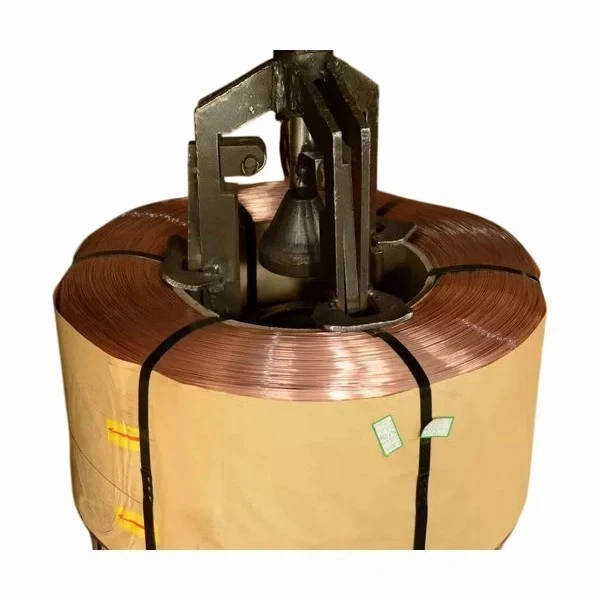
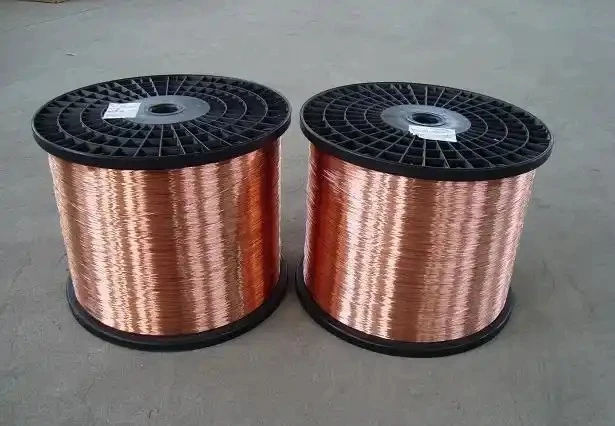
High - carbon steel wire finds its use in high - performance applications. In the automotive industry, it is used for valve springs and clutch springs. In the manufacturing of cutting tools, high - carbon steel wire is used to make drill bits, taps, and reamers.
If you are looking for coated steel wire options, we also offer Tin Plated Copper Steel Wire, Anti Oxidation Copper Coated Steel Wire, and Tin Plated Bronze Steel Wire. These coated wires offer additional protection against corrosion and other environmental factors.
Conclusion
The carbon content in uncoated steel wire has a profound impact on its properties, including strength, ductility, hardness, weldability, and fatigue resistance. Understanding these relationships is crucial for selecting the right type of uncoated steel wire for specific applications. Whether you need a wire with high flexibility or one that can withstand extreme stress, the carbon content can be a key factor in your decision - making process.
If you are in the market for uncoated steel wire or any of our coated wire products, we are here to help. We have a wide range of products with different carbon contents to meet your specific requirements. Contact us for more information and to discuss your procurement needs. We look forward to working with you to find the perfect steel wire solution for your business.
References
- ASM Handbook Volume 1: Properties and Selection: Irons, Steels, and High - Performance Alloys. ASM International.
- Callister, W. D., & Rethwisch, D. G. (2010). Materials Science and Engineering: An Introduction. Wiley.
- Van Tyne, C. J., & Sheppard, T. (2005). Metal Forming: Mechanics and Metallurgy. Oxford University Press.