

How does the density of profile wire affect its performance?
Hey there! As a profile wire supplier, I've been getting a lot of questions lately about how the density of profile wire affects its performance. So, I thought I'd take a deep dive into this topic and share some insights with you all.
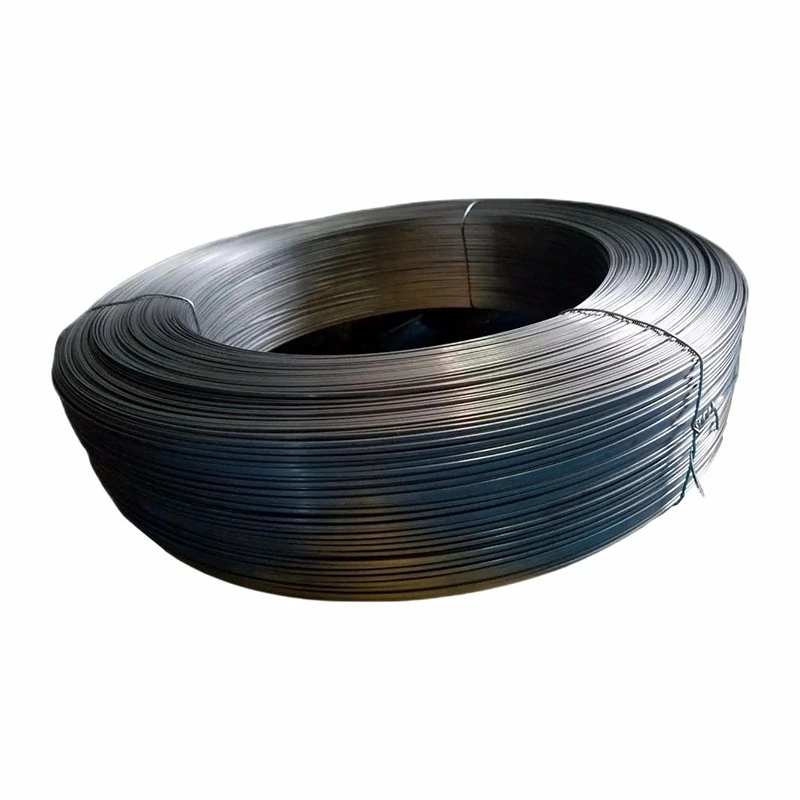
First off, let's talk about what density actually means in the context of profile wire. Density is basically how much mass is packed into a given volume. In simple terms, it tells us how heavy the wire is for its size. Different types of profile wires, like Cold Rolled Flat Steel Wire Strips, Round Steel Wire, and Rectangular Steel Wire, can have varying densities depending on the materials they're made of and how they're processed.
One of the key ways density impacts the performance of profile wire is in its strength. Generally speaking, a higher density wire tends to be stronger. This is because the atoms in a high - density material are more closely packed together. When a force is applied to the wire, these closely - packed atoms can better resist deformation. For example, in applications where the wire needs to bear heavy loads, like in construction or industrial machinery, a high - density profile wire is often the preferred choice.
Let's say you're using profile wire in a suspension bridge. The wire has to support the weight of the bridge deck and all the traffic that passes over it. A high - density steel wire can handle this load without stretching or breaking easily. On the other hand, a low - density wire might start to deform under the same load, which could lead to safety issues over time.
Another aspect affected by density is the wire's flexibility. Low - density wires are usually more flexible than high - density ones. This is because the looser arrangement of atoms in a low - density material allows for more movement between the atoms when the wire is bent. If you're working on a project that requires the wire to be bent into complex shapes, like in jewelry making or some types of art installations, a low - density profile wire would be more suitable.

However, flexibility isn't always a good thing. In some cases, too much flexibility can be a drawback. For instance, in electrical applications where the wire needs to maintain a specific shape to ensure proper conductivity, a high - density wire is better. A high - density wire is less likely to bend out of shape due to vibrations or other external factors, which helps to maintain a stable electrical connection.
The density of profile wire also plays a role in its corrosion resistance. High - density materials often have a more uniform structure, which can make them more resistant to corrosion. When the atoms are closely packed, it's harder for corrosive agents like moisture and oxygen to penetrate the material. This is crucial in outdoor applications where the wire is exposed to the elements. For example, if you're using profile wire for fencing in a coastal area, a high - density stainless - steel wire would be a great choice as it can withstand the salty air and prevent rusting.
Thermal conductivity is yet another area where density makes a difference. High - density materials generally have higher thermal conductivity. This means that they can transfer heat more efficiently. In applications where heat dissipation is important, like in electronic devices, a high - density profile wire can help to keep the components cool. On the contrary, if you want to insulate a certain area from heat, a low - density wire with poor thermal conductivity might be the way to go.
Now, let's talk about cost. High - density materials often cost more than low - density ones. This is because they may require more energy and resources to produce. The manufacturing process for high - density profile wire might involve more precise control and higher - quality raw materials. So, when choosing a profile wire for your project, you need to balance the performance benefits of high - density wire against the cost.
If you're on a tight budget but still need a wire with decent performance, you might be able to find a mid - density wire that meets your requirements. These wires can offer a good compromise between cost and performance. For example, in some general - purpose applications like household wiring or simple DIY projects, a mid - density profile wire can work just fine.
In the world of profile wire, there are also different alloys and treatments that can affect density and performance. For example, adding certain elements to the steel during the alloying process can change the density and properties of the wire. Heat treatment can also modify the internal structure of the wire, which in turn affects its density and performance.
As a profile wire supplier, I've seen firsthand how important it is to choose the right wire based on its density and the specific requirements of the project. Whether you need a high - density wire for strength and corrosion resistance or a low - density wire for flexibility, we have a wide range of options to meet your needs.
If you're in the market for profile wire, don't hesitate to reach out. We can help you select the perfect wire for your application, taking into account factors like density, strength, flexibility, and cost. Whether you're working on a small - scale DIY project or a large - scale industrial venture, we're here to provide you with the best profile wire solutions.
In conclusion, the density of profile wire has a significant impact on its performance in various aspects, including strength, flexibility, corrosion resistance, thermal conductivity, and cost. By understanding these relationships, you can make an informed decision when choosing the right wire for your project. So, if you have any questions or need more information, feel free to contact us. We're always happy to assist you in finding the ideal profile wire for your needs.
References:
- "Metals and Alloys: Properties and Applications" - A general textbook on metal properties
- "Engineering Materials: Principles and Applications" - Covers the engineering aspects of different materials, including profile wires.