

Can stainless steel wire be used in rubber processing equipment?
Can stainless steel wire be used in rubber processing equipment?
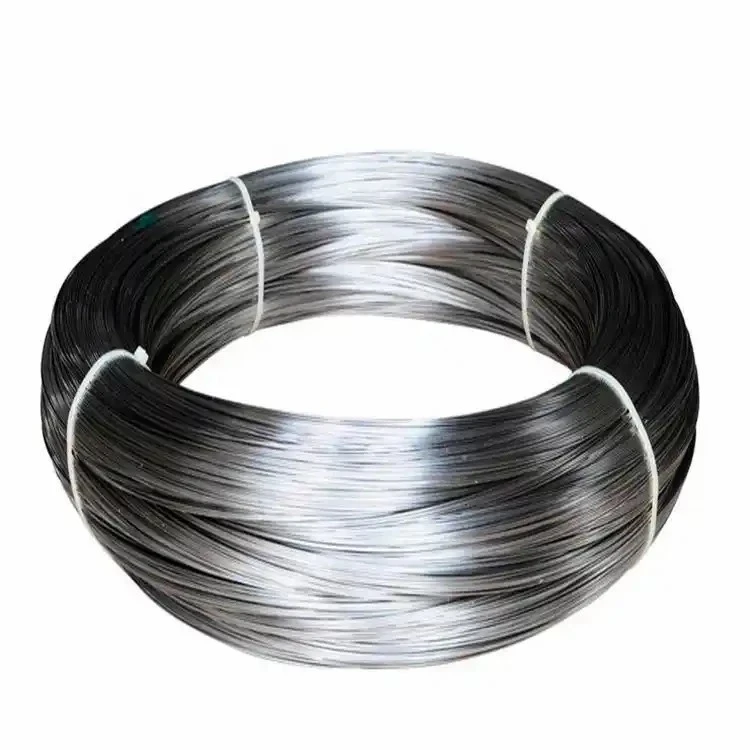
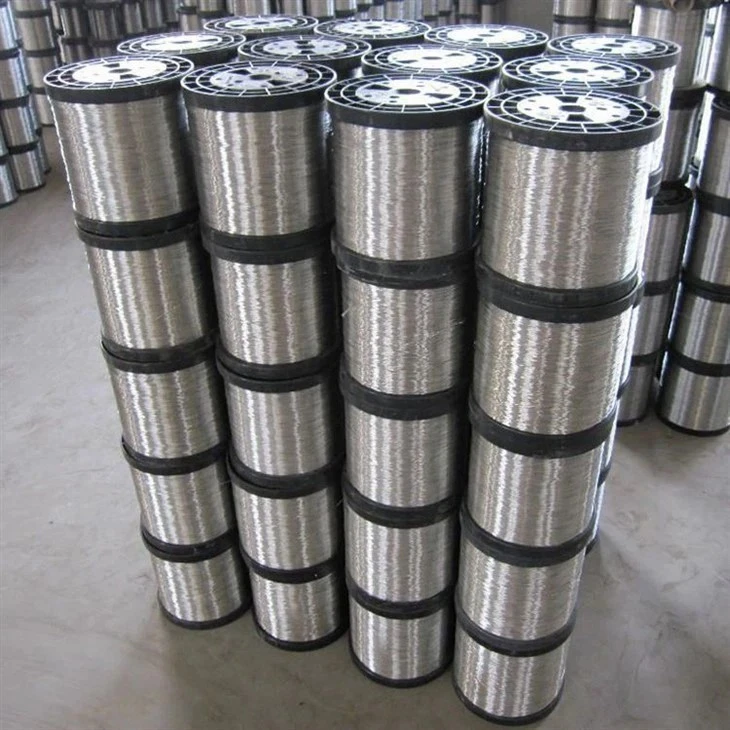
As a seasoned supplier of stainless steel wire, I've been frequently asked whether stainless steel wire can be utilized in rubber processing equipment. This is a question that combines the characteristics of two distinct materials and the requirements of a specific industrial process. In this blog, I'll delve into the feasibility, advantages, and potential considerations when using stainless steel wire in rubber processing equipment.
Understanding Stainless Steel Wire
Before we explore its application in rubber processing, let's briefly understand stainless steel wire. Stainless steel wire is a versatile material known for its excellent corrosion resistance, high strength, and good ductility. It is produced through various processes, such as cold drawing. Our Cold Drawn Stainless Steel Wire undergoes a precise cold-drawing process, which enhances its mechanical properties and surface finish. Additionally, we also offer Alloy Steel Wire, which combines the benefits of different alloying elements to meet specific performance requirements.
Feasibility of Using Stainless Steel Wire in Rubber Processing Equipment
Compatibility with Rubber
One of the primary concerns when considering using stainless steel wire in rubber processing equipment is its compatibility with rubber. Stainless steel has a relatively inert surface, which means it is less likely to react chemically with rubber. This is crucial because any chemical reaction between the wire and the rubber could lead to degradation of the rubber material, affecting the quality of the final rubber product. In most cases, stainless steel wire can coexist with rubber without significant chemical interactions, making it a suitable candidate for use in rubber processing equipment.
Mechanical Properties
Rubber processing often involves high-pressure and high-temperature conditions. Stainless steel wire, with its high strength and good heat resistance, can withstand these harsh environments. For example, in the vulcanization process, where rubber is heated and pressurized to improve its elasticity and strength, stainless steel wire can maintain its structural integrity. Its high tensile strength allows it to resist the forces exerted during the mixing, extrusion, and molding processes, ensuring the stability of the equipment and the quality of the rubber products.
Wear Resistance
In rubber processing equipment, components are subject to wear and tear due to the friction between the rubber and the equipment surfaces. Stainless steel wire has good wear resistance, which helps to extend the service life of the equipment. It can withstand the abrasion caused by the movement of rubber materials, reducing the frequency of equipment maintenance and replacement. This not only saves costs but also improves the overall efficiency of the production process.
Advantages of Using Stainless Steel Wire in Rubber Processing Equipment
Improved Product Quality
By using stainless steel wire in rubber processing equipment, the quality of the rubber products can be significantly improved. The stable performance of stainless steel wire ensures that the rubber is processed uniformly, resulting in more consistent product properties. For example, in the production of rubber hoses, the use of stainless steel wire as a reinforcement material can enhance the hose's strength and pressure resistance, making it more reliable in various applications.
Enhanced Equipment Durability
As mentioned earlier, stainless steel wire's corrosion resistance, wear resistance, and high strength contribute to the durability of the rubber processing equipment. This means that the equipment can operate for a longer time without major breakdowns, reducing production downtime and increasing productivity. In addition, the long service life of the equipment also reduces the overall cost of ownership for manufacturers.
Versatility
Stainless steel wire can be used in a variety of rubber processing equipment components. It can be used as a reinforcement material in rubber belts, seals, and gaskets to improve their mechanical properties. It can also be used in the construction of mixing blades, extrusion dies, and molding tools, where its high strength and precision can ensure the accurate processing of rubber materials.
Potential Considerations
Surface Finish
Although stainless steel has a relatively inert surface, its surface finish can still affect its performance in rubber processing. A rough surface may cause excessive friction with the rubber, leading to heat generation and potential damage to the rubber. Therefore, it is important to ensure that the stainless steel wire has a smooth surface finish. This can be achieved through proper manufacturing processes and surface treatments, such as polishing or coating.
Cost
Compared to some other materials, stainless steel wire can be relatively expensive. However, when considering its long-term benefits, such as improved product quality and equipment durability, the cost can be justified. Manufacturers need to weigh the initial investment in stainless steel wire against the potential savings in production costs and the improvement in product quality.
Conclusion
In conclusion, stainless steel wire can indeed be used in rubber processing equipment. Its compatibility with rubber, excellent mechanical properties, wear resistance, and other advantages make it a suitable choice for various applications in the rubber processing industry. While there are some potential considerations, such as surface finish and cost, the overall benefits outweigh the drawbacks.
As a supplier of stainless steel wire, we are committed to providing high-quality products that meet the specific needs of the rubber processing industry. If you are interested in using stainless steel wire in your rubber processing equipment or have any questions about our products, please feel free to contact us for further discussion and procurement negotiation. We look forward to working with you to achieve better results in your rubber processing operations.
References
- Callister, W. D., & Rethwisch, D. G. (2010). Materials Science and Engineering: An Introduction. Wiley.
- Van Vlack, L. H. (1989). Elements of Materials Science and Engineering. Addison-Wesley.